
Make a Process Map
A purchasing process can sound simple until four people draw it four different ways. One person shows the approval, another shows the budget check, and a third leaves out what happens when the request is rejected. The disagreement is often not about the work itself. It is about the language used to describe it. BPMN […]
Read more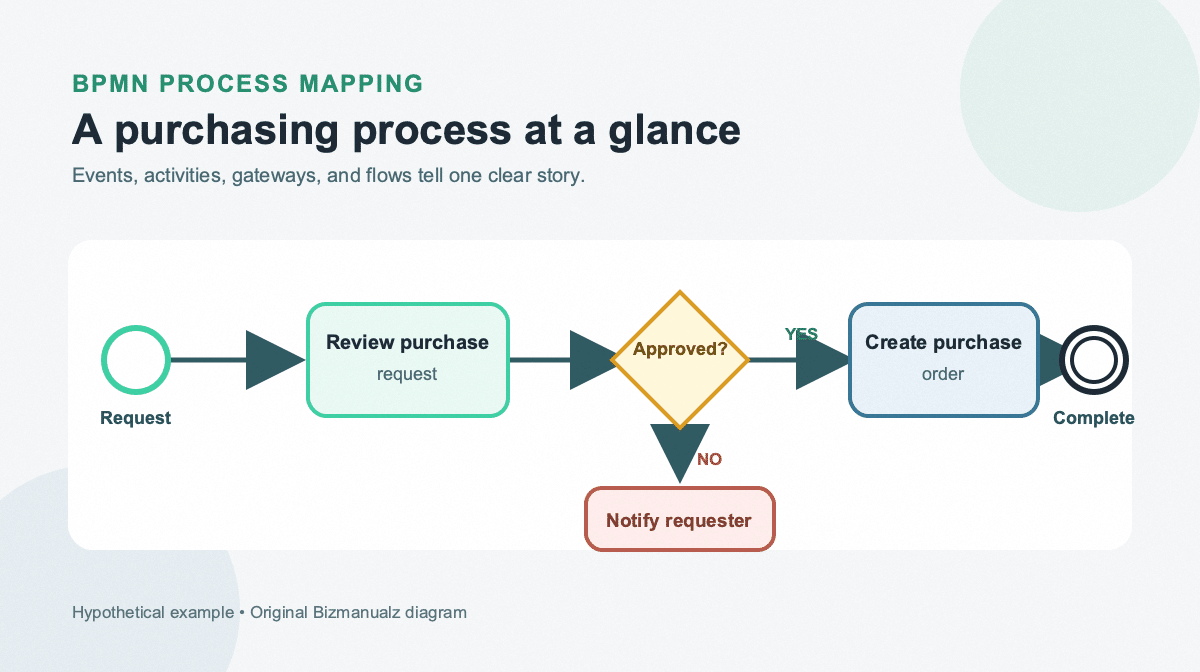
Download seven editable workflow mapping templates, choose the right pattern, and adapt a worked purchase approval example.
Read more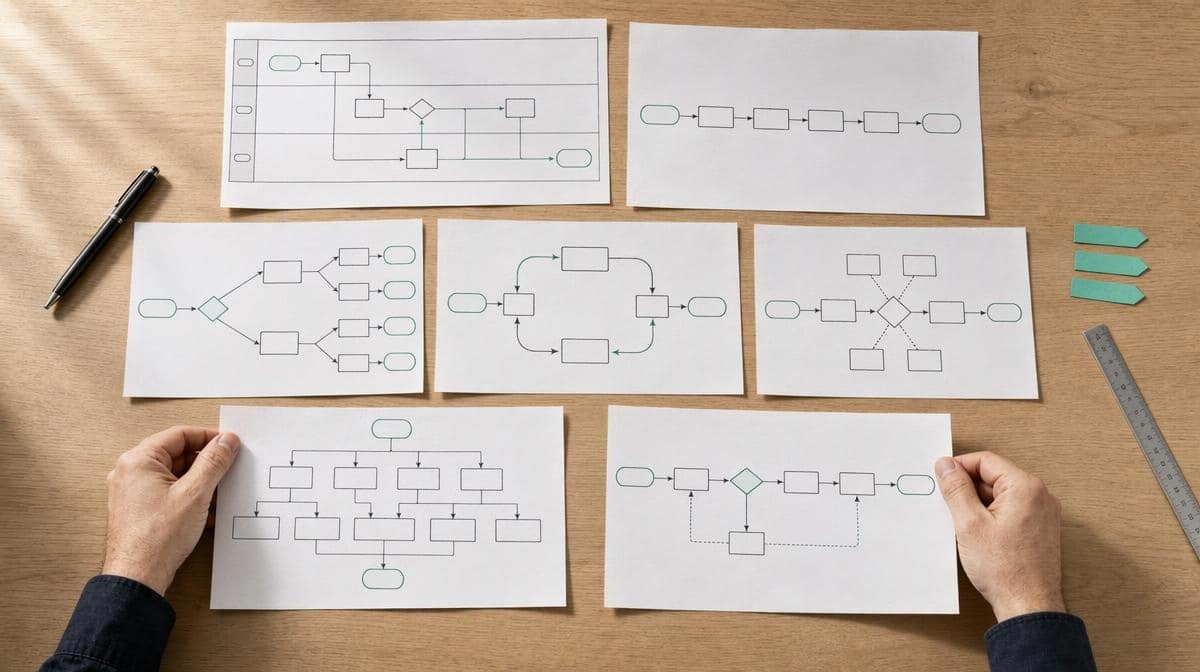
Build and verify a current state process map with a practical observation worksheet, worked order-fulfillment example, and evidence-led analysis.
Read more
Ask five people in the same department to describe how a routine request moves through their team and you will usually get five different answers. Everyone is confident, everyone is partly right, and nobody agrees on where the work actually waits. That disagreement is not a people problem. It is what happens when a process […]
Read more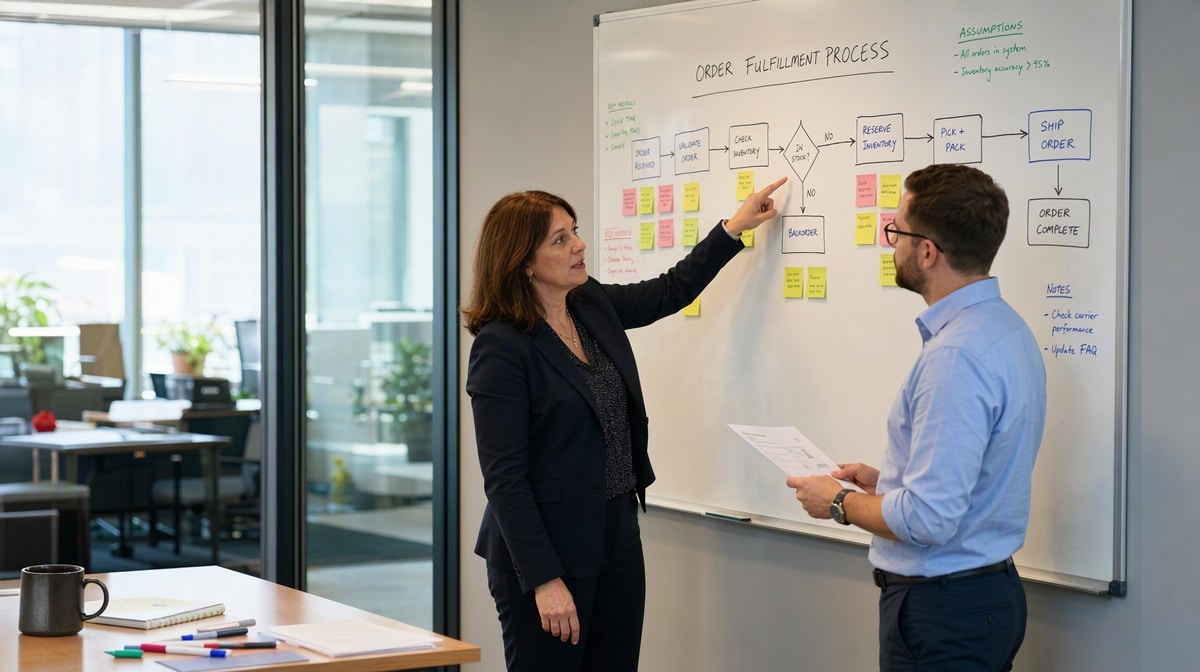
Most business processes look simpler from a conference room than they do at the point of work. A few boxes and arrows can hide ten informal handoffs, three workarounds, and a decision that changes depending on who is available. Ask the people doing the work to explain the same process separately, and you may hear […]
Read more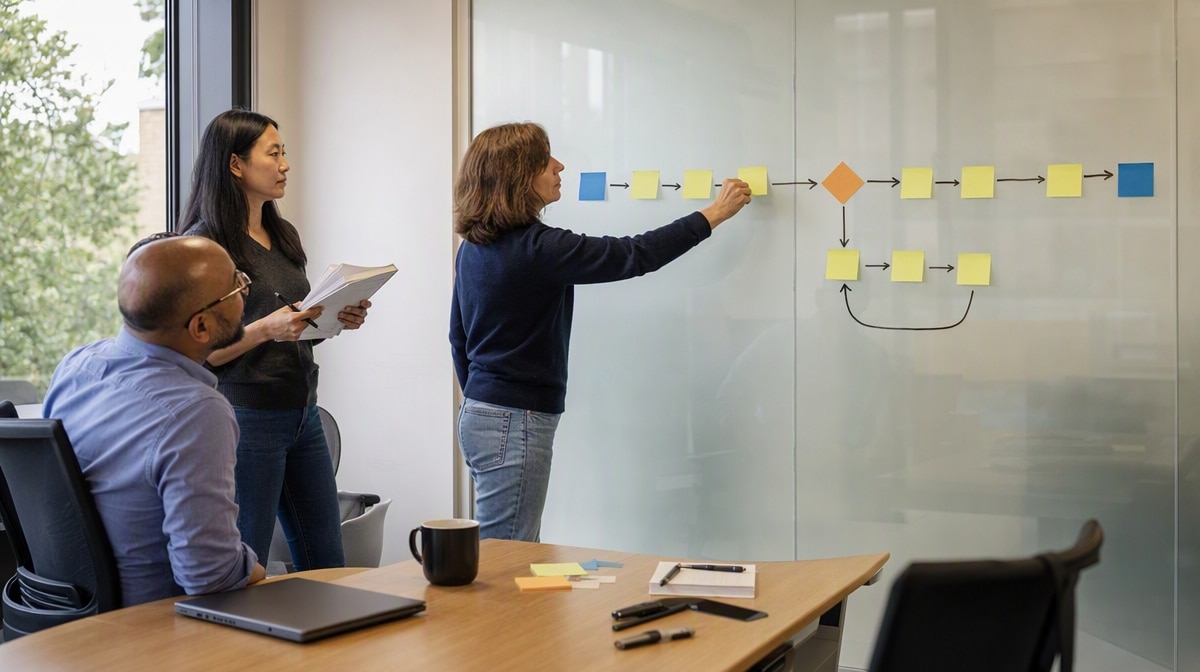
How can you use a value stream map so you can begin to propose possible solutions?
Read more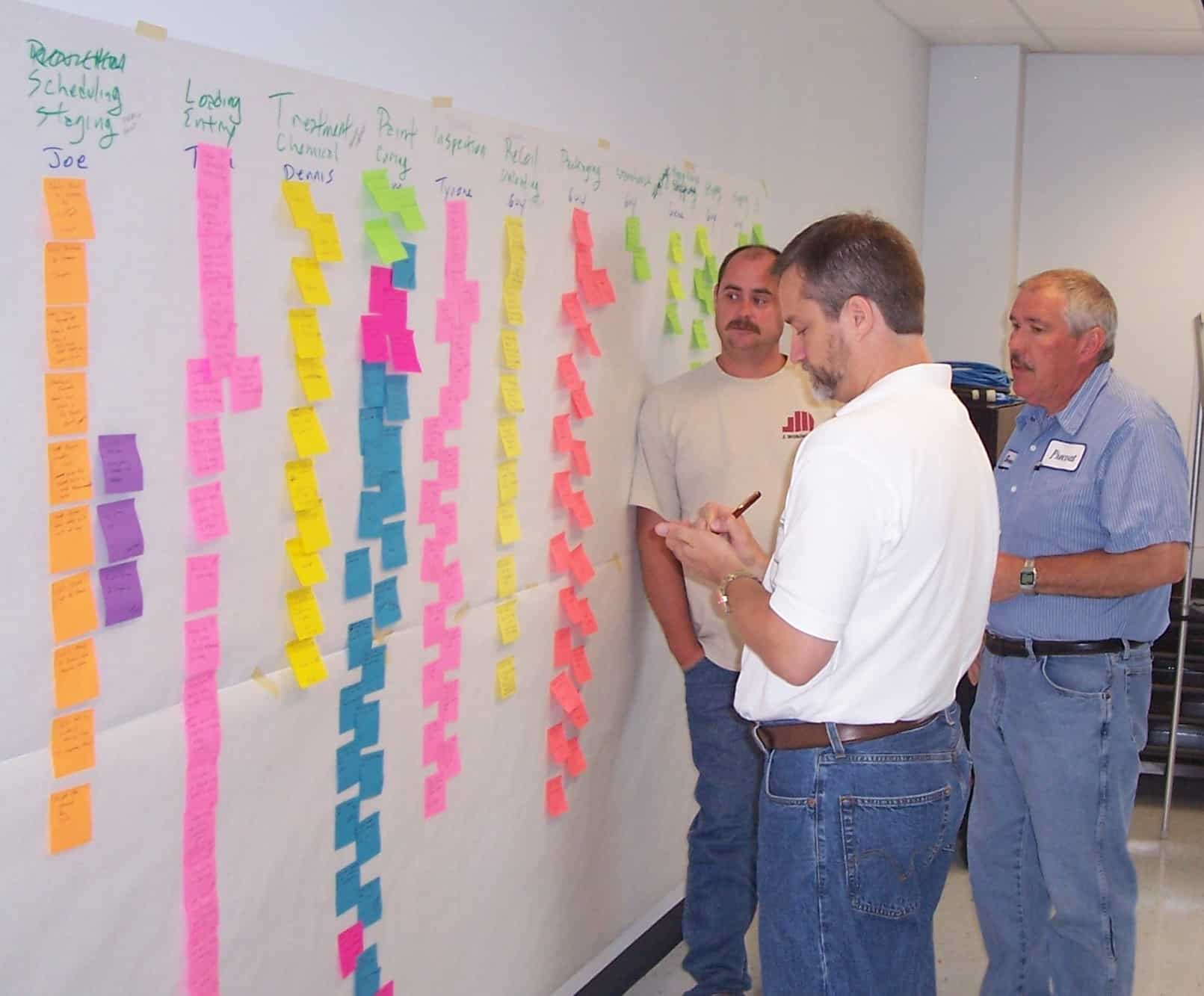
Process maps show work at different levels of detail. Compare high-level, low-level, swim lane, document, activity, workflow, and rendered maps to choose the right view for improvement and change.
Read more
Swim Lane Maps show roles, hand-off of information, and responsibilities that help teams work together.
Read more
Workflow Diagrams and Rendered Process Maps translate abstract UML symbols of squares and diamonds into graphical images, which tell a more complete story.
Read more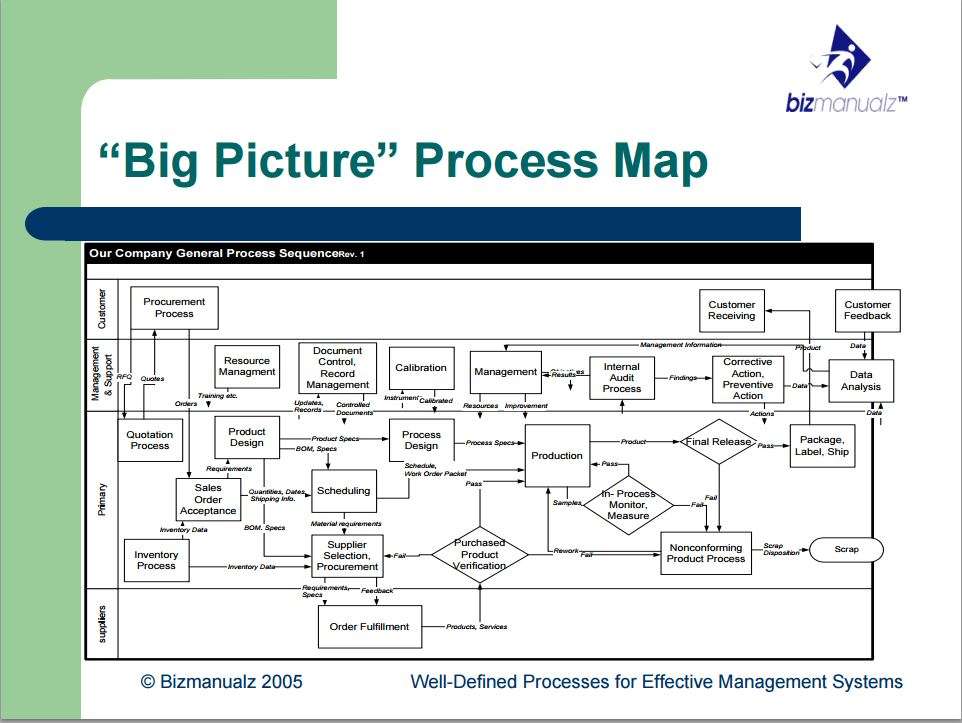
Best Manual Deals
-
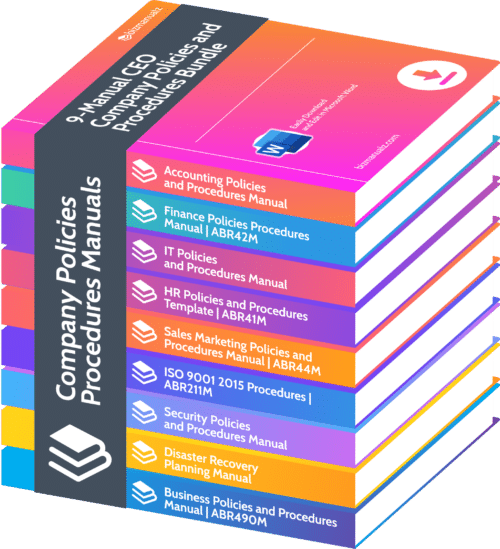 9-Manual CEO Company Policies and Procedures Bundle | Save 45%
$ 2,495.00
-
 ISO 22000 Food Safety Procedures Manual | ABR213M
Original price was: $ 395.00.$ 197.00Current price is: $ 197.00.
-
 ISO 22000 Seguridad de los Alimentos Procedimientos | ABR219M
Original price was: $ 395.00.$ 195.00Current price is: $ 195.00.
-
 ISO 9001 Quality Manual | ABR211MPM
$ 49.99
Business Manuals
-
 Sales Marketing Policies and Procedures Manual | ABR44M
$ 495.00
-
 ISO 9001 2015 Procedures | ABR211M
$ 495.00
-
 Finance Policies Procedures Manual | ABR42M
$ 495.00
-
 Accounting Policies and Procedures Manual | ABR31M
$ 495.00
-
 IT Policies and Procedures Template Manual | ABR34M Information Security Policy Manual
$ 495.00
-
 HR Policies and Procedures | ABR41M Employees Policy Examples
$ 495.00
-
 Security Policies and Procedures Manual | ABR32M
$ 395.00
-
 Disaster Recovery Planning Manual | ABR33M
$ 395.00
-
 AS9100 Quality Procedures Manual Rev D | ABR217M Aerospace QMS
$ 395.00
-
ISO 22000 Food Safety Procedures Manual | ABR213M
Original price was: $ 395.00.$ 197.00Current price is: $ 197.00.
-
9-Manual CEO Company Policies and Procedures Bundle | Save 45%
$ 2,495.00
-
ISO 22000 Food Safety Procedures Manual | ABR213M
Original price was: $ 395.00.$ 197.00Current price is: $ 197.00.
-
ISO 22000 Seguridad de los Alimentos Procedimientos | ABR219M
Original price was: $ 395.00.$ 195.00Current price is: $ 195.00.
-
ISO 9001 Quality Manual | ABR211MPM
$ 49.99
-
 How to Prevent Embezzlement Manual | ABR242DWD
Original price was: $ 49.99.$ 19.99Current price is: $ 19.99.