Does Agile Work for Sales Teams?

Agile project management is not reserved for software development. A sales team also works in changing conditions: customer priorities shift, new information enters the pipeline, and a plan that looked sensible on Monday can be stale by Friday. That is why sales and marketing teams can benefit from adopting agile methodology.
The question is: Does Agile work for sales teams? Yes, when the team adapts the method to selling instead of copying a software process word for word. Short planning cycles, visible priorities, regular updates, and honest reviews can help representatives focus on the work that matters now while keeping long-term revenue goals in view.
What Is Agile Sales?
Agile sales is an iterative way to organize sales work around short cycles, a narrow set of objectives, shared visibility, and frequent adjustment. Instead of treating an annual plan as a fixed script, the team chooses a small group of priorities, works on them for a defined period, reviews the evidence, and then decides what should change in the next cycle.
Agile can help sales teams become more flexible and make their approach to selling more efficient. Customers divide their attention across more channels, while sales teams collect large amounts of activity, pipeline, and customer data. The difficulty is not simply getting data. It is deciding which performance metrics matter for the decision in front of the team.

The method does not eliminate long-term forecasting, sales quotas, account plans, or management judgment. It adds a shorter feedback loop around them. A team can personalize its approach according to customers’ needs, examine analytical insight from recent efforts, and change tactics without abandoning the larger sales strategy.
How Do You Implement Agile Sales Methodology?
Two main goals of an agile sales approach are establishing accountability and narrowing objectives. The team identifies a small set of tasks and project management milestones in advance, assigns ownership, and holds regular updates about ongoing activities. A visible backlog contains possible work. A sprint plan contains the work the team has committed to now.
Start with one team, one meaningful commercial problem, and a simple cadence. A useful pilot might focus on improving follow-up for qualified opportunities, testing a new outreach sequence, cleaning stalled deals from the pipeline, or increasing meetings within one priority segment. Define the outcome, decide which leading indicators will show progress, and agree on what counts as complete.
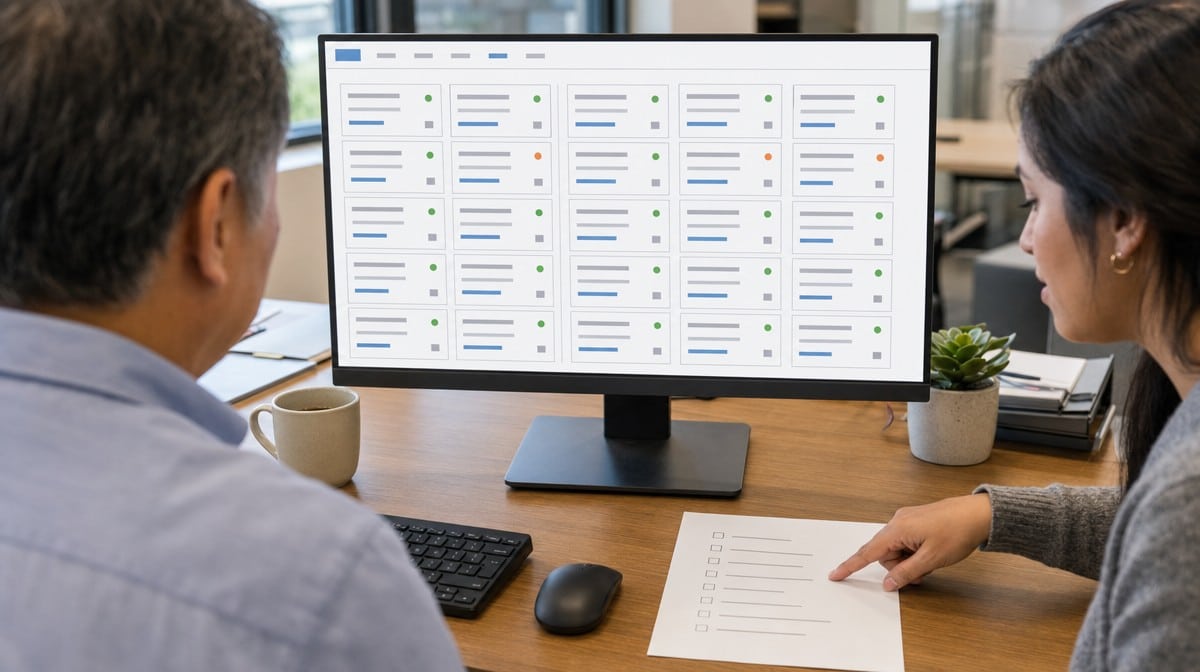
Do not load the sprint with every open responsibility. Narrow attention to the current bottleneck and keep ordinary account work visible but separate. The purpose of the sprint is to create focus, not to rename the entire sales job. The following building blocks make each practice concrete.
Working in Sprints
When implementing agile sales techniques, segment the selected work into sprints. One to two weeks is often a practical starting point for a sales team because it is long enough to run an experiment and short enough to respond to new information. The formal Scrum framework permits fixed-length Sprints of one month or less, so the right sales cadence depends on deal velocity, customer response time, and the work being tested.
Sprints begin with a kickoff or Sprint Planning meeting where goals and objectives are determined. The team might commit to contacting every dormant qualified opportunity in a segment, improving discovery-call preparation, or resolving a defined set of proposal bottlenecks. Working within a short time frame requires the team to narrow its attention and address the issues that are currently most important.
This cadence can help a manager take better control over the sales cycle without micromanaging every conversation. The team agrees on the objective and evidence before the sprint, then gives representatives room to execute. Harvard Business Review’s guidance on sales sprints similarly frames short cycles as a way to move long-term sales initiatives into execution while current selling continues.
Holding Regular Meetings
Regular standup meetings keep everyone updated, but the cadence should serve the work. A fast-moving inside-sales team may benefit from a brief daily check-in. A field team with longer customer cycles may choose two focused meetings each week. The meeting should remain short and should expose progress, upcoming work, and obstacles rather than become a detailed status presentation.

Sales teams can use five practical Scrum meeting concepts. Four are formal events described by the official Scrum Guide, while backlog refinement is an ongoing activity that many teams schedule as a working session:
- Sprint Planning Meeting: choose a valuable sales objective, define the work, and agree on a realistic commitment.
- Daily Scrum Meeting: inspect progress toward the sprint goal, identify obstacles, and adapt the next day’s work.
- Sprint Review Meeting: examine results with the people who need to act on them, including sales leadership, marketing, or operations.
- Sprint Retrospective Meeting: discuss what helped or hurt effectiveness and choose an improvement for the next sprint.
- Backlog Refinement Meeting: clarify, break down, and prioritize future work so it is ready when the team plans another sprint.
During these meetings, everyone should share what they are working on, what they have accomplished since the last meeting, and which obstacles they face. That creates alignment around goals and expectations. It also allows the manager and the team to remove impediments while they are still small.
Focusing on the Right Goals
Sales goals can seem daunting and unachievable when the team sees only the annual number. For example, aiming to double the sales quota in a year is ambitious, and representatives may find it difficult to translate that target into useful daily behavior.
Breaking a yearly goal into monthly or weekly short-term objectives helps the sales team focus on execution. It also makes assumptions visible. If the annual goal depends on more qualified meetings, higher proposal conversion, shorter approval time, or better retention, the team can choose one constraint and test work against it.

As the team reviews the results of the last sprint, it may notice issues that prevent success. Perhaps outreach volume increased but qualified replies did not. Perhaps meetings rose while proposals stalled. Agile allows the team to revisit its sales metrics, adjust the goal, and define better measures for the sprint to come rather than waiting for a quarterly postmortem.
Having the Right Tools
If a sales team is going to work efficiently on the same goals, it needs a shared source of current information. A CRM or sales engagement platform should make lead and opportunity ownership visible, show the next action, record meaningful customer activity, and provide a common view of results. The tool supports the process; it does not create focus by itself. If HubSpot feels heavier or pricier than the team needs, compare the leading HubSpot alternatives before locking in a platform.
Keep the sprint board simple enough that representatives will maintain it. Connect each work item to an owner, a due point within the sprint, and the outcome it supports. Automation can reduce administrative tasks, but the team still needs clear definitions and clean data. Otherwise, a real-time dashboard merely displays confusion faster.
Having the right tools is especially important when the team is working in sprints and trying to narrow its focus. A shared database keeps every member in the loop, lets managers see obstacles without demanding extra reports, and helps the team keep pace with fast-changing markets.
Developing a Supportive Environment
Sprint cycles are valuable because they can promote collaboration within a sales team. Individual quotas and commissions may encourage representatives to guard information or solve the same problem separately. Agile work makes the shared objective, current priorities, and obstacles visible, which gives the team a reason to help one another.
Today’s competitive market requires collaboration, teamwork, and strong coordination between marketing and sales. Representatives need to work together and learn from one another. Managers reinforce this environment by rewarding useful knowledge sharing, treating impediments as process problems, and using retrospectives to improve the system rather than assign blame.
Staying Flexible
Customers and competitors move quickly, so a sales team needs the ability to adapt. The same is true when people work with remote employees or collaborate across regions. Agile sales methodology keeps the team close to current evidence through short cycles, visible work, and regular review.
Flexibility does not mean changing the sprint goal every time a new request appears. Record new work in the backlog, evaluate its urgency, and protect the current commitment unless evidence shows that the goal is no longer valuable. That balance gives representatives enough stability to finish meaningful work and enough adaptability to respond when the market truly changes.
Does Agile Sales Create Better Team Execution?
Agile methodology for sales teams works when it creates clearer priorities, faster learning, and stronger accountability. It fails when a company adds meetings and vocabulary without changing how work is selected, measured, or improved. Begin with one important problem, one short sprint, and a small set of evidence the team can inspect.
The practical advantage is not novelty. It is the discipline to choose what matters now, make work visible, learn from customers and results, and adjust the next plan. Sales teams that maintain that rhythm can pursue ambitious goals without pretending the original annual plan anticipated every obstacle.
Frequently Asked Questions
What Is Agile Sales?
Agile sales is an iterative operating method that organizes selected sales work into short cycles with clear goals, visible ownership, regular review, and adjustment based on current evidence.
Does Agile Work for Sales Teams?
Yes. Agile can help sales teams focus and adapt when managers apply its short feedback cycles to sales work instead of copying software practices without context.
How Long Should an Agile Sales Sprint Last?
One or two weeks is a useful starting point for many sales teams. The team should choose a fixed period that matches its deal velocity and provides enough time to test meaningful work.
What Happens During an Agile Sales Standup?
Team members briefly inspect progress toward the sprint goal, identify obstacles, and adapt upcoming work. Detailed problem-solving can happen after the standup with the people involved.
Which Metrics Should an Agile Sales Team Review?
Review the few leading and outcome metrics tied to the sprint goal, such as qualified conversations, next-step completion, proposal movement, conversion, or cycle time. Avoid filling the review with unrelated dashboard measures.