How Do You Increase Your Virtual Event Experience?
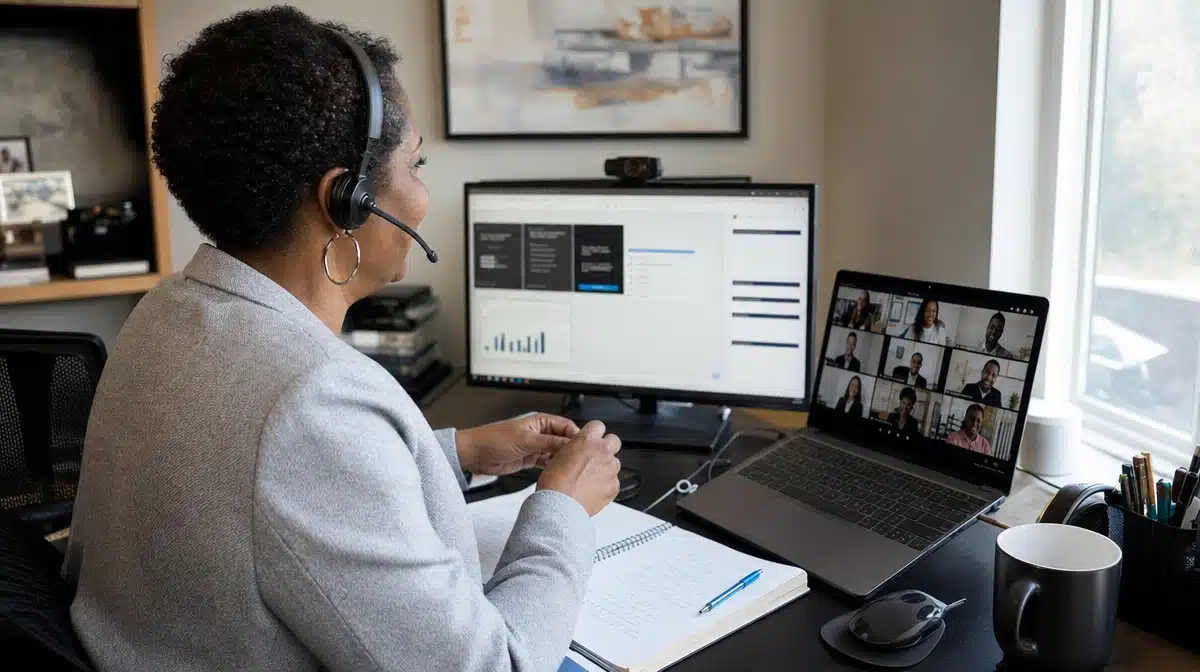
A virtual room can be full while attention is somewhere else. Attendees can mute their audio and video, answer messages, or turn to another task when the presentation drags, the technology fails, or participation feels unnecessary. A strong virtual event experience gives people a clear reason to stay present and an easy way to contribute.
How do you increase your virtual event experience? Plan the experience before the invitation goes out, prepare presenters and tools together, support every attendee, and create useful interaction before, during, and after the event.
What Is a Strong Virtual Event Experience?
A virtual event experience is the complete way attendees encounter an online meeting, presentation, training session, or conference. It includes the invitation, platform access, presentation quality, language support, live interaction, technical reliability, and the follow-up that happens after everyone signs off.
Physical events and virtual events create different conditions, but the same basic standard applies: people need to understand the purpose, follow the content, and know how to participate. Employers managing virtual offices also need reliable online events to connect workers, align priorities, and effectively lead a virtual team.
Ways To Enhance Your Virtual Event Experience
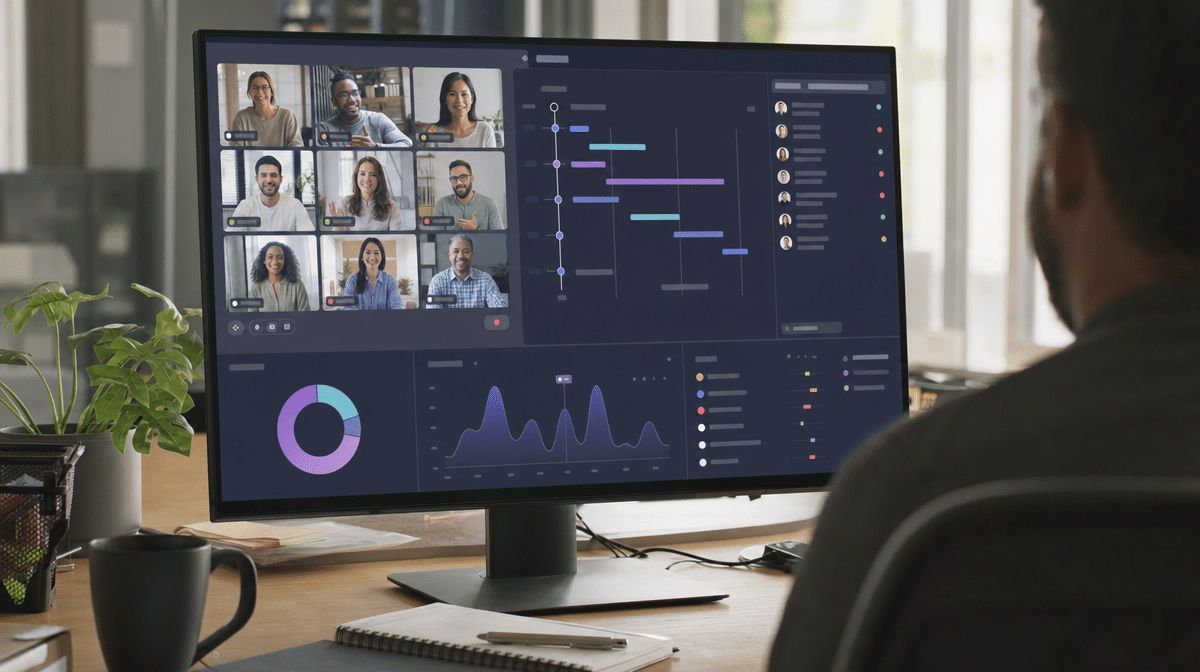
Virtual meetings are now routine in companies of every size, but routine does not guarantee quality. The five practices below preserve the practical sequence that matters most: prepare an interesting presentation, choose and test the right virtual tools, provide foreign-language interpreting, engage attendees throughout the event lifecycle, and make the live session interactive.
Prepare an Interesting Presentation
The presentation you deliver during a virtual event has to earn attention. PowerPoint is still useful, but PowerPoint slides packed with paragraphs invite attendees to read ahead or disengage. Use the principles behind creating better PowerPoint presentations: one clear point at a time, readable visuals, and a deliberate connection between what appears on screen and what the speaker says.
Images, audio, videos, demonstrations, and short examples can give the audience a reason to keep watching, but each element must support the message. Avoid media that adds noise without explaining anything. Describe important visual information aloud so people who cannot see the screen clearly can still follow the point.
Rehearse the delivery, not only the slides. Time every section, practice transitions between presenters, confirm who will advance the deck, and decide how questions will be handled. If other presenters are joining, give them the same format, timing, and participation expectations. Important information can still be missed when delivery is unprepared.

Use the Right Virtual Tools
Video software platforms and other tools for business communication should fit the event rather than force the event into a limited format. Zoom and Microsoft Teams are familiar examples, but the correct choice depends on audience size, presenter roles, security, accessibility, and the type of contribution attendees need to make.
Check the features that support the actual agenda: instant chat, voice calls, video calls, virtual conferencing, screen sharing, file sharing, breakout rooms, polls, questions, and recording. Decide whether participants need open discussion, moderated contributions, or view-only access. Make sure the invitation explains how to join, what device or software is required, and where attendees can request help.
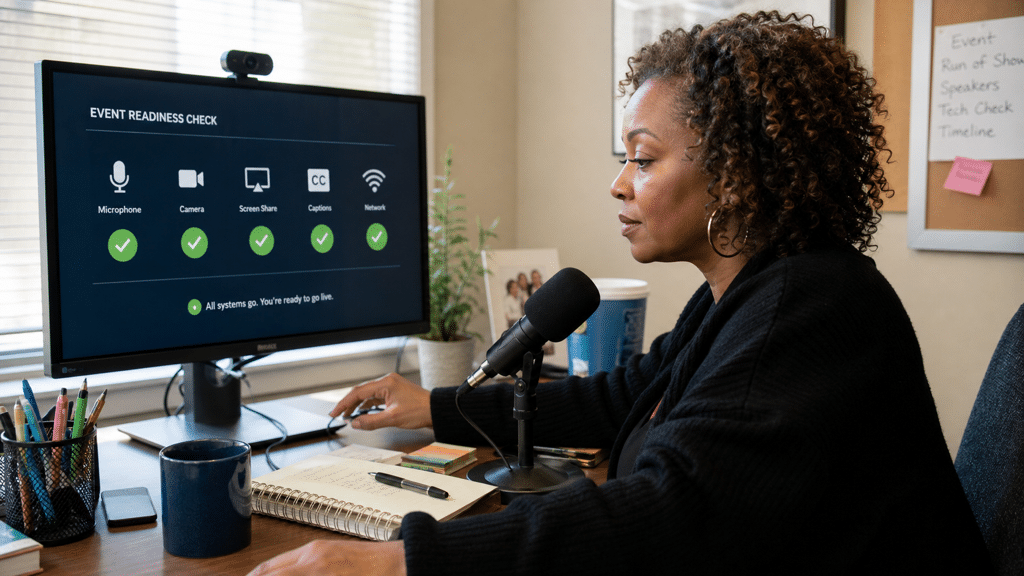
Test the meeting space before the event. Confirm audio, camera, screen sharing, captions, recording, presenter permissions, files, links, and poll settings. Run the test from an attendee account as well as the host account, because an organizer’s view can hide restrictions that participants will encounter. Assign a producer or backup host who can solve technical issues while the speaker continues.
The W3C checklist for accessible events and presentations recommends accessible materials, clear speech, advance preparation with interpreters or captioners, and alternatives when screen sharing does not give everyone equal access. Those practices improve the event for international attendees, people with disabilities, and anyone joining from a difficult environment.
Use Foreign Language Interpreters
If the event is multilingual, make sure every attendee can follow the discussion and contribute. Remote foreign language interpreting can carry the speaker’s meaning to foreign attendees in real time. A remote interpreting service uses trained staff and expert interpreters who understand how to relay speech accurately without taking over the conversation.
Give interpreters the agenda, slide deck, names, acronyms, technical terms, and speaker order in advance. Test the interpretation channel and confirm that attendees know how to select it. When sign-language interpretation is needed, keep the interpreter visible and leave enough time for interpretation to keep pace with the speaker.
Language access works alongside captions, transcripts, accessible documents, and clear speech. It is not a last-minute add-on. Ask about accommodation needs during registration, explain what support will be available, and include a contact who can resolve access problems before the event begins.
Engage Your Attendees
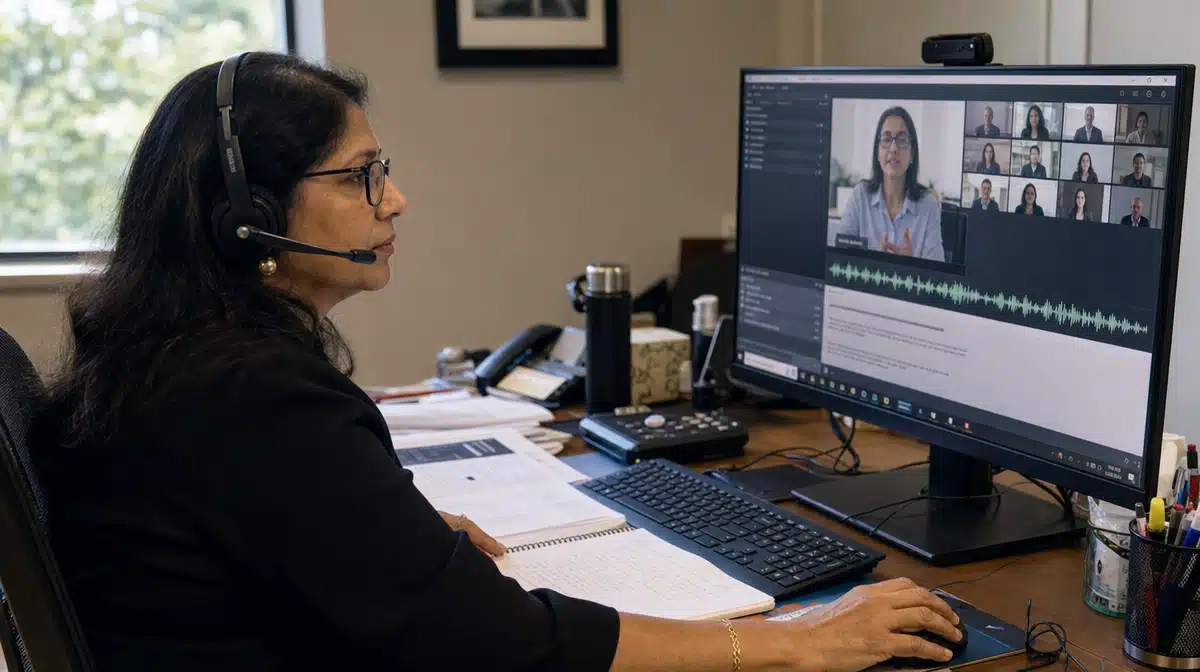
Engagement starts before anyone enters the virtual room. Stay connected with attendees before and after the event. The invitation should state the date, time, purpose, agenda, access instructions, and what attendees are expected to prepare or contribute. Follow-up messages can remind people of the event and answer practical questions without burying the purpose under repeated promotional language.
During the event, tell attendees when and how they can participate. Use the chat for short reactions, a question queue for structured discussion, and spoken contributions when conversation is the objective. Watch participation patterns without forcing everyone to turn on a camera. A visible contribution path is more useful than a vague request to “be engaged.”
Videoconference fatigue can weaken attention and social connection, especially when meetings are long or frequent. Research from the Stanford Virtual Human Interaction Lab supports designing sessions with focus and human connection in mind. Protect attention with clear timing, purposeful breaks, and a program that changes pace before fatigue takes over.
After the meeting, ask for feedback and suggestions you can use to improve your engagement with attendees in subsequent virtual events. Keep the survey short and connect each question to a decision: content, pacing, platform, access, interaction, or follow-up.
Make Virtual Events Interactive
Begin with an introduction that lowers uncertainty and helps you run the meeting smoothly. You can ask an informal question, use a brief brain teaser, or mention a timely issue that connects directly to the event. The opening should make people feel welcomed without consuming time needed for the purpose of the meeting.
Ask questions and seek contributions throughout the session. For a collaborative topic, a short virtual brainstorming session can give attendees a defined task instead of leaving interaction to chance. Use small groups only when each group has a clear prompt, enough time, and a way to report back.
Assign a moderator to maintain order when people are trying to contribute. The moderator can monitor chat, combine duplicate questions, invite quieter participants without putting them on the spot, and repeat important comments aloud. This lets the presenter concentrate on content while someone else protects the participation process.
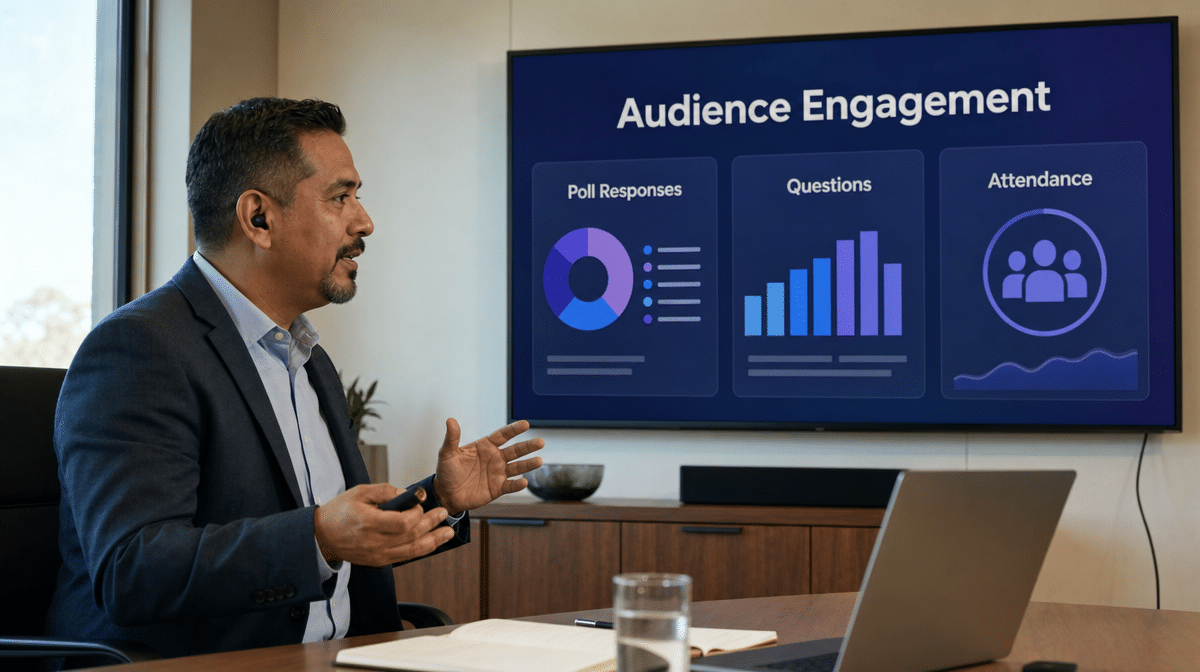
Polls can help people make a decision, check understanding, or choose the next discussion point. Display poll results on everyone’s screen when transparency matters, then explain what will happen because of the result. Random rewards can motivate participation when they fit the culture, but recognition should support meaningful interaction rather than reward noise.
Enhance Your Virtual Event Experience
Properly planning your virtual event turns a video call into a useful shared experience. Prepare engaging content, choose and test the platform, support language and accessibility needs, create clear ways to participate, and collect feedback after the event. These practices improve the audience experience from start to finish and enhance the customer experience when customers, partners, investors, clients, or other stakeholders attend.
State the purpose in the invitation so everyone arrives with the same understanding. Then use the event itself to create alignment, contribution, and a record of what comes next. The best virtual event experience is not the one with the most features. It is the one in which people can follow, participate, and act on the outcome.
Frequently Asked Questions
What Improves a Virtual Event Experience?
A clear purpose, prepared presenters, reliable tools, accessible materials, language support, structured interaction, and useful follow-up improve the virtual event experience. Each element should help attendees follow the content and contribute.
How Do You Keep Virtual Event Attendees Engaged?
Set expectations in the invitation, vary the presentation format, provide clear participation paths, use purposeful questions or polls, and protect attention with focused timing. Collect feedback after the session to improve the next event.
Which Virtual Platform Features Matter Most?
The important features depend on the agenda, but common needs include reliable audio and video, screen and file sharing, chat, questions, polls, captions, interpretation support, presenter controls, and recording. Test every required feature from both the host and attendee views.
When Should You Use Foreign Language Interpreters?
Use trained interpreters when attendees need real-time language access to understand or participate fully. Give interpreters the agenda and materials in advance, then test the language channel before the event.
How Should You Use Feedback After a Virtual Event?
Ask short questions about content, pacing, platform reliability, access, interaction, and follow-up. Connect every question to a change you are prepared to make before the next virtual event.