How Do You Effectively Lead a Virtual Team?

Virtual teams are no longer a temporary workaround. They are a normal way to run a business, and they expose every weak spot in communication, role clarity, management discipline, and employee recognition. When people work from various locations, the manager has to create the sense of belonging and team spirit that an office used to provide by default.
So, how do you effectively lead a virtual team? You lead it by keeping in touch, communicating with intention, assigning job roles, acting like a leader, setting rules, and recognizing hard work before distance turns into disconnection.
What Is A Virtual Team?
A virtual team is a group of employees who work together from different locations, often across home offices, satellite offices, client sites, and time zones. The team may never sit in the same room, but it still has shared work assignments, deadlines, clients, instructions, supervisors, and business objectives.
Although virtual teams have been around for some time, some managers are still having trouble running a team composed of remote workers. The challenge is not only technology. A high-performance virtual team needs structure, communication, trust, and a manager who can make people feel connected while they are physically apart.
Techniques For Leading A High Performance Virtual Team
The following techniques preserve the practical sequence managers need most: connection first, then communication, role clarity, leadership behavior, team rules, and recognition. Each technique is simple, but weak execution in any one area can make remote employees behave like disconnected individuals instead of one team.
Keep in Touch
Distance and different locations are the greatest challenge remote teams and their managers face. Because team members work from various locations, they can easily lose a sense of belonging and team spirit that unites them. When they start behaving like individuals instead of a team, your business, founded on teamwork, can begin experiencing severe problems, from duplicated work to missed deadlines and financial losses.
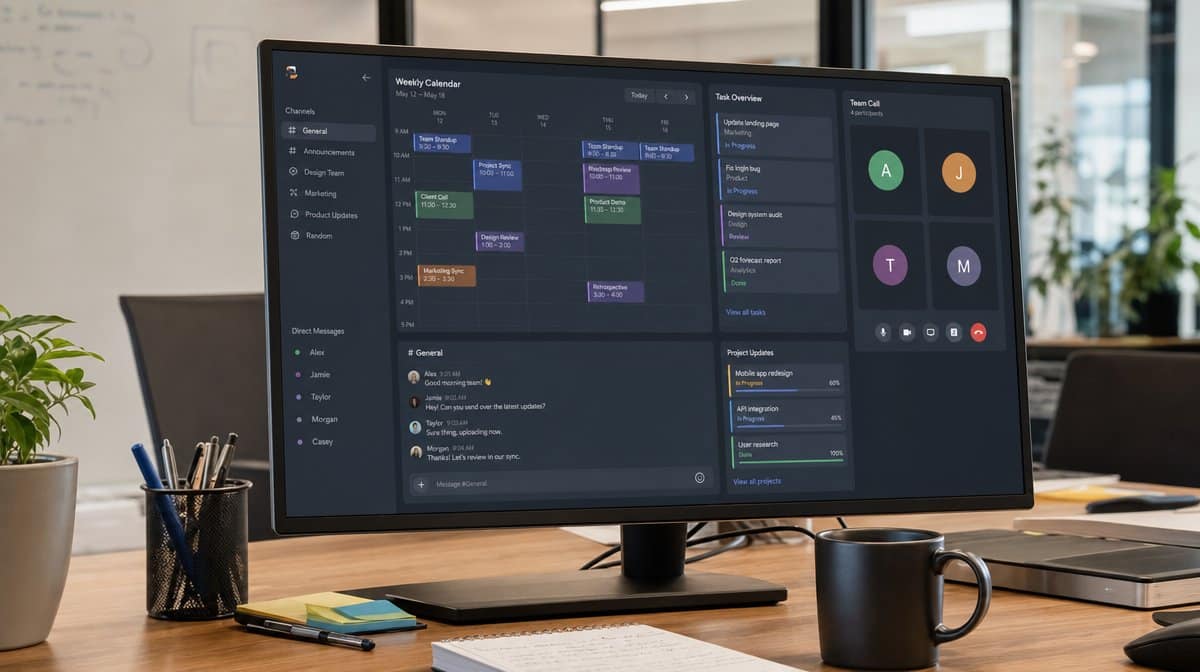
That is why team members must keep in touch with their coworkers in a deliberate way. A shared communication cadence, a central place for updates, and clear expectations for response times do more than move information around. They remind people that they are part of a team with common priorities, not a collection of isolated workers checking tasks off in different rooms.
Managers should choose the tools that fit the work, whether that means chat, video, project management software, an intranet, or a simple shared task board. The tool matters less than the habit. A useful system gives every remote employee access to current priorities, open questions, decisions, and the people who can help. For more tactical options, see these remote team productivity tools.
Communicate and Interact
It is important to use effective communication with your employees. Without boundaries between private and professional lives, remote employees can forget to socialize, ask informal questions, or share small updates that would normally happen naturally in an office. They may spend their days sitting at home, working, and talking only with the person they live with.
No wonder remote staff can feel alienated and anxious in many cases. To keep everyone healthy and sharp, encourage employees to socialize with friends, family, and coworkers, but do not force every interaction into another meeting. Short check-ins, optional team conversations, virtual brainstorming sessions, and well-run one-on-ones can help employees unwind after a long day in the virtual workplace while still protecting focus time.
Good communication also means being explicit. Managers should write down decisions, summarize meeting outcomes, and make sure remote employees know where to find job descriptions, procedures, and work instructions. Research from Gallup on managing remote workers also reinforces the role of managers in setting expectations and staying connected with employees who are not in the office every day.
Assign Job Roles
Virtual teams do not have a stable structure in the same visible way as office-based teams. The lack of structure can confuse employees, so they sometimes misinterpret their positions and responsibilities. This is usually one of the main reasons for underperforming in simple work assignments.
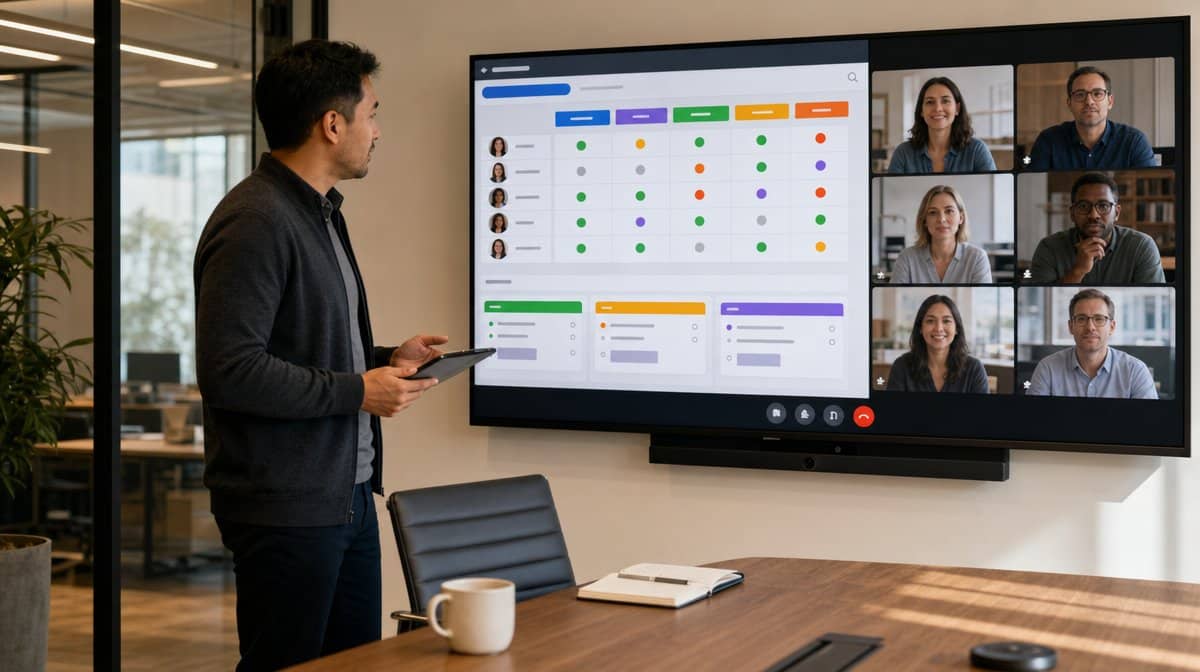
What you, as a manager, can do is assign key roles to every member of your remote staff. That way, they know what their position is, responsibilities, duties, and even what superiors and team leaders expect from them. When employees know what every team member is in charge of, misunderstandings and conflicts become less common.
Along with roles, do not forget to give all details employees need regarding work tasks, such as deadlines, clients, instructions, approval paths, and escalation points. It will not only make their job easier, but also yours, because you will not have to double check every detail yourself.
Be a Leader
Managing a virtual team is a big challenge, even for experienced team leaders and managers. No matter how good your leadership and management skills are, you will still face obstacles while managing a remote team. Thanks to your skills, you will know how to overcome them more calmly than managers who wait for problems to become visible.
To lead a high performance virtual team, you have to not only be an effective business leader, but also act as one. Assign tasks, provide instructions, mentor team members, monitor their professional growth, and track project progress. Remote employees need a manager who is present, consistent, and clear, not a manager who compensates for distance by micromanaging every hour.
Apart from management and leadership skills, you have to show support and empathy to the staff. People can be productive from anywhere, but they still need guidance, context, and respect. If employees are struggling with workload, isolation, unclear expectations, or competing home responsibilities, the manager has to notice early and help remove obstacles before performance suffers.
Set Rules
Remote work and the flexibility that comes with it can be both a blessing and a curse. A blessing because employees can have a healthier work and private life balance. A curse because there are no natural boundaries or rules unless the manager creates them.
An employee might contact you at any time, day or night, because every team member works when they can or want. Since this is a sensitive issue, it is better to set ground rules or boundaries in order to run a successful business with remote employees. Rules should cover availability, meetings, urgent requests, documentation, response times, and when employees are expected to be offline.
You do not have to introduce fixed working hours for every role, but do try to come up with a schedule that allows everyone to work at the same time for a while. This way, if they need help or have questions to ask, they can ask you directly and get a straight reply. The goal is not surveillance. The goal is a predictable operating rhythm.
Recognize Hard Work
Now more than ever, managers should recognize their employees hard work, especially when it comes to remote employees. Uncertainty, change in the work environment, and lack of face-to-face feedback can all take a heavy toll on employees. That is why you should make sure to recognize and reward employees who are going to great lengths for the company.

Recognition does not always have to be a material reward, such as a day off or a raise. A simple thank you, a specific well done, or praise in front of team members can make employees feel valued and increase their confidence. Do not forget to praise people where the team can see it. Public recognition can boost team spirit and motivate others to put in extra effort.
Virtual teams are not going anywhere anytime soon. You might as well take this time and apply these techniques now. If you keep in touch, communicate clearly, assign job roles, lead with empathy, set rules, and recognize hard work, you will be much closer to a high-performance virtual team that can succeed from any location.
Frequently Asked Questions
What Is A Virtual Team?
A virtual team is a group of employees who work together from different locations and rely on digital communication, shared systems, and clear operating rules to complete work. A strong virtual team still needs team spirit, role clarity, communication discipline, and visible leadership.
How Do You Lead A Virtual Team Effectively?
You effectively lead a virtual team by keeping in touch, communicating consistently, assigning job roles, setting rules, supporting employees, and recognizing hard work. The manager has to replace hallway visibility with deliberate check-ins, written expectations, and team rituals.
Why Do Virtual Teams Need Clear Roles?
Virtual teams need clear roles because remote employees cannot rely on informal office cues to understand who owns a task, deadline, client request, or decision. Role clarity reduces confusion, prevents duplicated work, and helps team members know when to act without waiting for permission.
How Can Managers Keep Remote Employees Engaged?
Managers can keep remote employees engaged by creating regular communication cadences, encouraging useful social interaction, mentoring team members, and recognizing contributions in front of the team. Engagement improves when employees feel connected to coworkers and understand how their work supports the business.
What Rules Should A Virtual Team Have?
A virtual team should have rules for availability, meeting cadence, response times, task ownership, documentation, escalation, and after-hours communication. These boundaries protect work-life balance while still giving employees access to help when they need it.