How Can Email Marketing Increase Sales?

Sending out a few emails each month does not create a sales channel. Email marketing can increase sales when a business reaches the right audience with a relevant offer, earns the open with a clear subject line, and gives the reader a specific next action.
A successful marketing strategy requires more than just sending out a few emails in a month. The strongest campaigns connect audience research, useful content, thoughtful design, and a purpose-driven call-to-action so each message helps move an interested subscriber toward a purchase.
What Is Email Marketing?
Email marketing is the use of permission-based email messages to inform, educate, nurture, and sell to customers or potential customers. Unlike a broad social post, an email reaches a list of subscribers directly and can be tailored to the reader’s interests, buying stage, or prior relationship with the business.
The channel can support both immediate and long-term sales. A promotional message may produce a purchase today, while a helpful guide, product explanation, or follow-up sequence can build enough trust for a later decision. Litmus’s State of Email Innovations research describes email as both a relationship channel and a revenue channel, which is why consistent execution matters more than one isolated send.
How to Boost Sales Using Email Marketing
Small businesses using online marketing can find an email marketing campaign a little overwhelming, especially when the team is new to the marketing field. Email may offer strong returns, but the result depends on list quality, relevance, deliverability, and a clear path from the message to the offer.
Use the following email marketing best practices as one connected sequence. Research the audience first, earn permission, make the offer useful, write for the reader, and measure the action that matters to revenue.
Research Your Email Audience
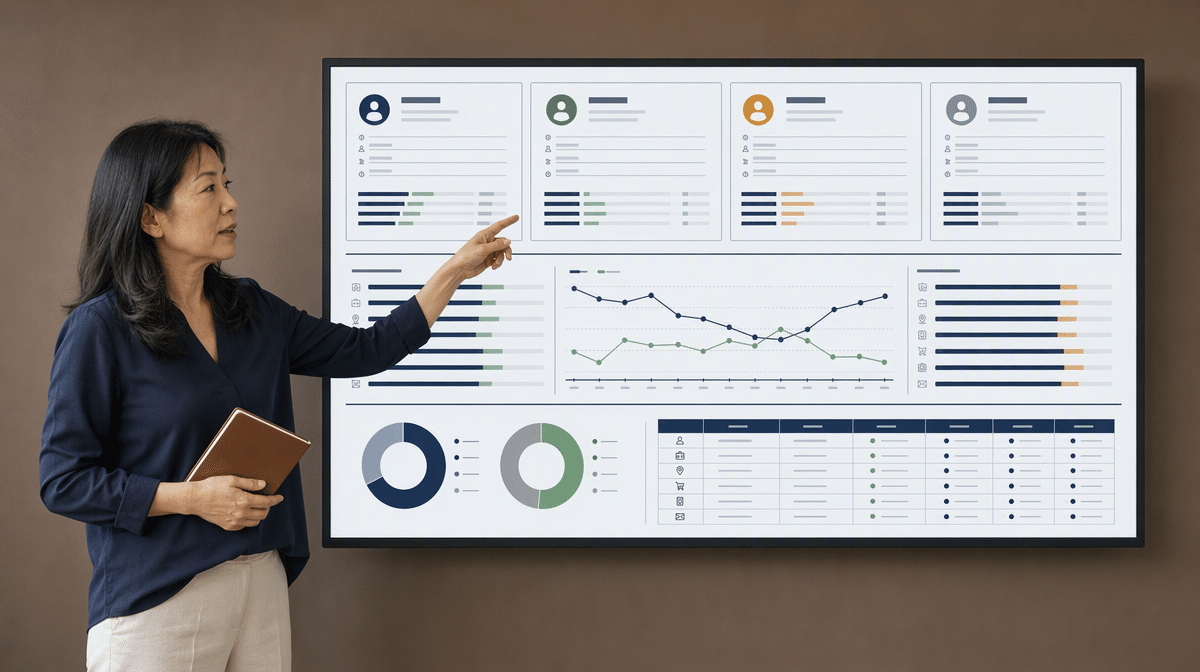
Before you begin your digital marketing strategy, build a list of subscribers who will be interested in the products or services you are offering. The best way to do this is to create a buyer persona, sometimes called a buyer’s persona, based on your target audience and then create a marketing strategy for that group of individuals.
There are various ways to gather data about your ideal customer. Start by considering their pain points, needs, and ways you can solve their problems. Then think about useful audience attributes such as age, gender, employment status, geographical location, purchase history, and the questions people ask before buying.
Use the curated information to build the brand voice and style in your email marketing campaign. Segment the list when different groups need different information. Relevant segmentation helps a business avoid sending the same offer to everyone and makes each message more closely match the reader’s situation.
Research does not require a complicated data project. Review common sales questions, customer-service conversations, website searches, lead-source data, and the pages customers visit before they purchase. Use those signals to decide which problem the email should address, which proof the reader needs, and which action is reasonable at that stage of the relationship.
Offer a Compelling Lead Magnet in Your Email
Once you understand the audience, begin gathering email addresses of potential customers with clear permission. A large list does not automatically create more potential sales. A smaller list of people who asked to hear from you will usually be more useful than a large collection of unrelated or purchased contacts.
One practical way to acquire email addresses is to offer a lead magnet on your lead generation landing page. A lead magnet is a free item or service that is presented in exchange for contact details and permission to follow up. This can be anything from ebooks and comprehensive guides to discount offers and free samples.
Consumers often look for lead magnets that help them solve a particular problem. The offer should be specific enough that a visitor can quickly understand the benefit and decide whether it is worth the exchange. Make the signup terms clear, explain what messages will follow, and provide an easy way to unsubscribe.
Match the lead magnet to the product and the next sales conversation. An ebook can explain a complex decision, a comprehensive guide can help the reader compare options, a free sample can reduce uncertainty, and a discount offer can encourage a buyer who is already close to acting. The follow-up email should continue solving the same problem instead of changing topics immediately.

Write a Catchy Email Subject Line
The subject line determines whether the recipient understands the reason for the message before opening it. When writing email subject lines that get opened, the general rule is to be as short and as descriptive as possible. It should convey clearly what the email contains and give the reader a legitimate reason to continue.
Personalization can help when it is relevant and based on information the customer voluntarily supplied. A first name, geographical location, birthday, purchase, or special discount or deal should never be inserted simply because the data exists. Use it only when it makes the message more useful and natural.
Accuracy also matters. The FTC’s CAN-SPAM compliance guidance requires commercial-email subject lines to reflect the content of the message. Avoid false urgency, unsupported promises, or wording that hides the real offer. A catchy subject line earns attention without misleading the reader.
Craft Engaging Email Copy
Once you are successful in getting recipients to open your email, it is time to hook them with engaging copy. There is no strict formula when writing content for an email newsletter, but it is similar to writing great landing page copy. You can be as formal or as casual as your target audience prefers.
When writing the content, imagine that you are having a face-to-face conversation with the reader, so keep your writing conversational. Lead with the problem or desired outcome, explain the useful point, and connect it to the offer. The reader should understand why the message matters without working through a long company introduction.
It is also a good idea to keep the piece short and to-the-point. Come to the main point quickly, use brief paragraphs, and make the message easy to scan on a phone. The ideal length depends on the audience, offer, and buying decision, so test concise versions against longer explanatory messages instead of following an arbitrary word limit.
Make Email Visually Appealing
A well-designed email newsletter uses the right balance of text and images. When a recipient opens the message, the layout should establish a clear reading order, highlight the offer, and make the next action easy to find. Design supports the writing rather than competing with it.
Leave space for images that are relevant to the text. Product photography works well for content that explains how a product or service works. You can also use images of your employees to highlight the personality of your team and make the business feel more familiar.
A business may not have many photo-worthy opportunities. In that case, consider using free stock photos from reputable sites to fill in the visual gap. Select images that align with your message, add meaningful alternative text, compress files for reliable loading, and test the email on mobile screens. Before using a stock image from any site, check the licensing information provided on the website.
Build the layout so the message still works when images are blocked. Important claims, prices, deadlines, and CTA wording should remain in live text rather than being trapped inside a graphic. Use enough contrast, readable type, and whitespace to separate ideas. Send test messages to several inboxes and devices before the campaign reaches the full list.
Add a Clear Email CTA
A call-to-action (CTA) prompts the readers to take a specific action. Regardless of the action you want people to take with your email, make sure that the CTA button is prominent and purpose-driven. A reader should know what will happen after selecting it.
Put careful thought into the CTA button. Where should you add it? What color provides enough contrast? What is the most precise wording? These are important considerations you should make when crafting your CTA. Use one primary action when possible, keep its language connected to the offer, and avoid surrounding it with several competing links.
Measure the action after the send. Opens can suggest interest, but clicks, completed forms, purchases, qualified conversations, and attributed revenue provide stronger evidence of sales impact. Compare one meaningful change at a time so the team can learn whether the subject line, copy, offer, visual treatment, or CTA improved the result.
Choose the conversion event before writing the email. A retailer may measure completed orders, while a service business may measure booked consultations or qualified replies. Record the campaign, audience segment, offer, send date, and result so the next message is based on evidence rather than memory. This turns email from a series of isolated sends into a repeatable sales process.

Boost Sales Using Email Marketing
Learning how to increase sales with email is one of the practical ways to close more sales, but it takes focus and the right blend of tips and best practices. The process works when the audience, message, offer, design, and CTA reinforce one another.
Build a comprehensive email marketing plan, send consistently, protect permission and trust, and connect campaign activity to actual business outcomes. If an older program no longer performs, review how to revive an outdated email marketing campaign before adding more messages to the schedule. Each improvement should make the email clearer for the reader and more measurable for the business.
Review results on a regular schedule and carry the learning into the next campaign. Preserve what works, change one weak element at a time, and document the decision. That discipline helps the team build revenue without sacrificing subscriber trust or confusing short-term activity with a durable sales system.
Frequently Asked Questions
What Is Email Marketing?
Email marketing uses permission-based messages to inform, nurture, and sell to customers or potential customers. It gives a business a direct channel for sharing relevant offers and useful information with subscribers.
How Can Email Marketing Increase Sales?
Email marketing can increase sales by reaching a relevant audience, earning attention with an accurate subject line, explaining a useful offer, and guiding the reader toward one specific action.
Why Should a Business Research Its Email Audience?
Audience research helps a business understand customer pain points, needs, preferences, and buying context. That information supports better segmentation, brand voice, offers, and campaign timing.
What Makes an Email Subject Line Effective?
An effective subject line is short, descriptive, accurate, and relevant to the recipient. It gives the reader a clear reason to open without using false urgency or misleading promises.
Why Is a Call-to-Action Important in an Email?
A call-to-action tells the reader what to do next and connects the message to a measurable business outcome. The strongest CTA is prominent, purpose-driven, specific, and consistent with the offer.