How Do I Write Great Landing Page Copy?

A landing page can attract steady traffic and still produce few conversions. If you are getting visitors but aren’t getting conversions, take a closer look at the words before switching color schemes, changing page length, adding new features, or playing with the graphics. Those design changes may help, but they cannot rescue copy that leaves the visitor unsure about the offer.
Great landing page copy gives a visitor a clear reason to stay, trust the offer, and take one specific action. The strongest digital marketing strategies connect the promise that brought someone to the page with the message, proof, and call to action they find there.
What Is Landing Page Copy?
Landing page copy is the written content on a focused web page designed to persuade a visitor to complete a defined conversion, such as requesting a quote, starting a trial, downloading a guide, or buying a product. It includes the headline, supporting explanation, benefit statements, proof, form labels, button text, and any reassurance placed near the action.
Words are powerful tools that create a conversation with web visitors. Excellent copywriting anticipates their pressing questions, explains the value proposition in familiar language, and reduces uncertainty at each step. Google Ads describes landing page experience in terms that include useful and relevant information, easy navigation, and whether the page meets the expectations created by the ad. That makes message continuity a practical part of conversion copy, not merely an advertising preference.
What Five Copywriting Tips Improve Landing Pages?
Effective landing pages do not need clever language in every line. They need disciplined copywriting that helps qualified visitors understand the offer and decide whether it fits. The following five tips preserve that focus while giving the reader enough information to act confidently.
Avoid Wordiness in Your Text
It is tempting to add a lot of content so a page appears substantial. In practice, filler words make the offer harder to understand. Prospects are busy, and if you can say something in a few short sentences, don’t stretch the point across several paragraphs. Being concise in your wording produces clearer messaging and makes it easier for the reader to explore the offer.
Common sources of bloat include too many adverbs, unnecessary passive voice, redundant word pairs, excess determiners and modifiers, and a serious lack of editing. Avoid bloating the page with repeated explanations of an obvious idea. Editing should remove any sentence that does not clarify the problem, explain the benefit, provide proof, answer an objection, or direct the next action.
Concise does not mean vague. Compare every claim with the question a prospect would ask next. If the copy says a service is faster, explain what becomes faster and why that matters. If a sentence cannot survive that test, replace the general claim with a concrete benefit or delete it.
Read the draft aloud during editing. Awkward transitions, repeated words, and long sentences are easier to hear than to see. Then ask a colleague who was not involved in writing the page to explain the offer in one sentence. If their explanation differs from the intended message, the copy still needs work.
Create a Comprehensive Page, Then Test the Length
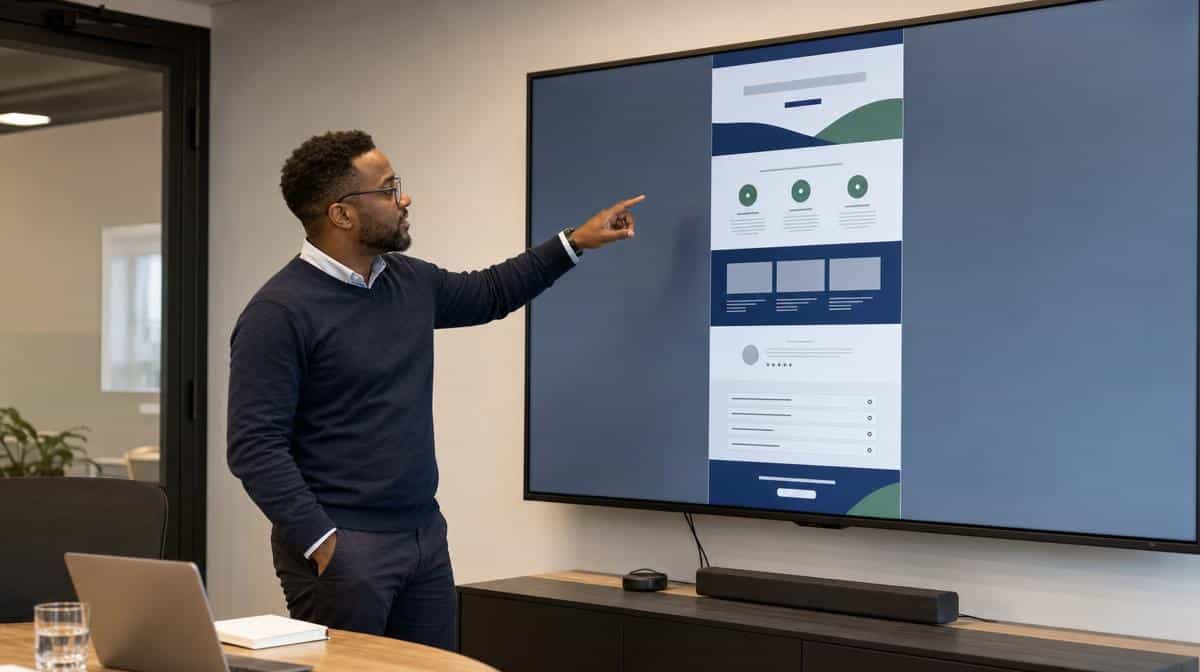
Avoiding bloated copy does not require pages to remain short. A landing page should be clear, readable, and as long as necessary to answer the customer’s questions. A familiar, low-risk offer may need only a brief explanation. A complex service, high-consideration purchase, or unfamiliar product may need more context, proof, specifications, and objection handling.
Long copy can work when every section earns its place. It creates room to explain benefits, add useful details, address several buyer concerns, and support good content marketing. It can also create natural linking opportunities. Length alone, however, does not guarantee conversions or higher rankings in major search engines.
Organize a comprehensive page so a visitor can scan it. Use a clear headline, benefit-led subheadings, short paragraphs, specific proof, and one consistent call to action. Place the most important information high on the page, then provide additional detail for readers who need it. The page should remain readable on a phone as well as a desktop screen.
Companies and audiences are different, so test both versions rather than trusting a universal rule. Compare a shorter version with a longer one while holding the traffic source and offer steady. Be careful to measure completed conversions, qualified leads, and sales quality, not merely clicks on the button.
Comprehensive copy should also remove detours. A landing page usually works best when navigation, secondary offers, and unrelated links do not compete with the primary action. Give visitors the information they seek, but keep every section connected to the same decision. Clear structure lets readers stop when they are convinced without preventing others from continuing.
Include Credible Customer Testimonials
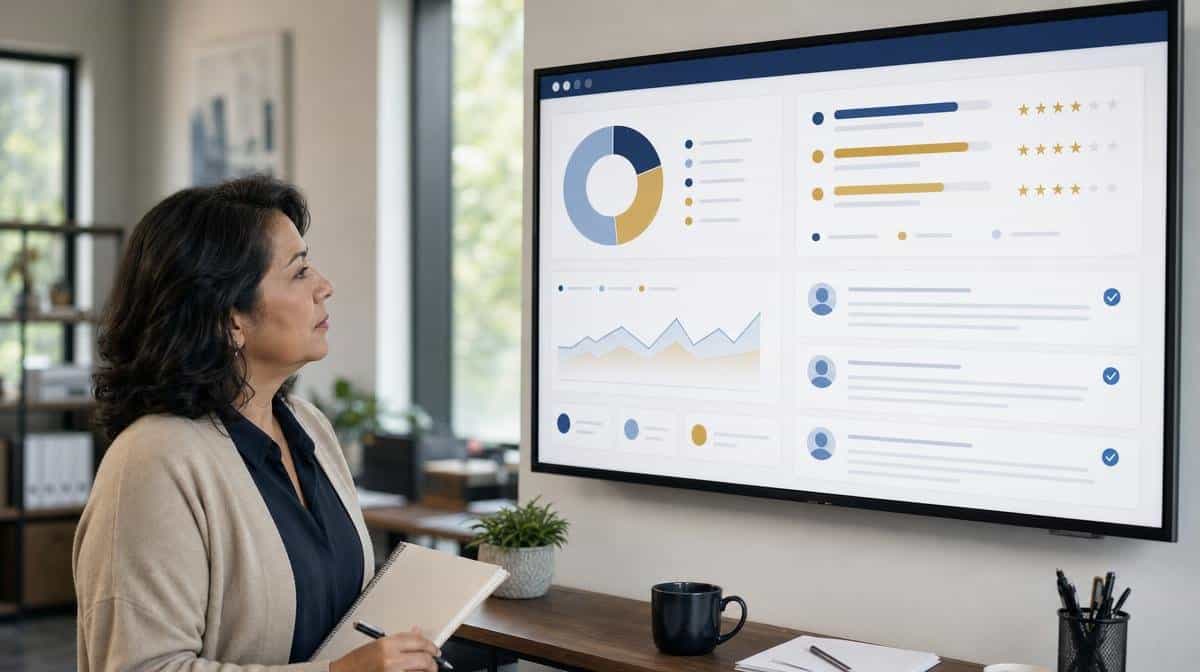
Visitors need proof that customers trust the business and receive the promised value. The voice of the customer, customer feedback, and customer testimonials can make a landing page more credible when they are specific, relevant, and genuine.
A useful testimonial identifies the situation before the purchase, the experience with the product or service, and the result that followed. A quote such as “great service” offers little substance. Specific success stories from past customers explain the original problem and a concrete improvement, giving the visitor evidence that resembles the decision they are making.
Testimonials must also be truthful and presented with appropriate context. The Federal Trade Commission’s endorsement and testimonial guidance explains that endorsements should not be misleading, material connections should be disclosed, and atypical results may need information about what consumers can generally expect. Never manufacture a quote, hide an incentive, or present an exceptional outcome as routine.
Place proof close to the claim it supports. A testimonial about implementation belongs near the implementation explanation. A review about reliability belongs beside the reliability benefit. This makes the page feel like a coherent case rather than a collection of praise pasted below the offer.
Select testimonials that represent the audience the page is meant to reach. A small-business owner may care about simplicity and time saved, while an operations manager may need evidence about consistency and control. The proof should answer a real concern, not simply add another positive statement.
Stand Out in Your Selling Proposition
Customers do not buy merely because they like a brand or want to show support. Buyers act after they understand how a product or service can improve their situation. The value proposition should state who the offer helps, what problem it solves, what useful outcome it creates, and why this approach is meaningfully different.
Use simple visual stories to convey your message effectively, then make the written claim just as clear. Replace slogans such as “the best solution” with a benefit the visitor can evaluate. Explain exactly how the business solves the customer’s problem and what the customer must do next.
Review the competition to understand the claims a prospect sees elsewhere, but do not copy those claims or build the page around a competitor. Use the research to find gaps, vague promises, and customer questions that remain unanswered. A compelling selling proposition is distinctive because it is specific and supportable, not because it uses louder adjectives.
Connect the proposition to the source message. If an ad promises a particular benefit, the landing page headline should confirm that benefit immediately. Google Ads recommends keeping messaging consistent from the ad to the landing page and matching the page to the user’s search. Visitors should not have to determine whether they arrived at the right place.
Support the proposition with facts a visitor can verify, such as a defined process, a clear scope, a relevant credential, or an understandable guarantee. Proof and proposition should reinforce each other. A strong headline attracts attention, but the supporting details make the promise believable enough to consider.
Use Words Familiar to Your Customers
Use words customers recognize instead of jargon common only inside the company or among marketers. Keep in mind their hopes and dreams, the questions they ask, why they are exploring the product, the kind of job they do, and the language they use to describe the problem.
Write as though you are speaking one-on-one with a qualified customer rather than broadcasting to a massive group of prospects. Direct writing makes the message more specific and targeted. It also keeps the page centered on the customer’s decision instead of the company’s internal view of the product.
To find familiar words, study customer interviews, sales-call notes, support questions, review sites, blog comments, surveys, and social media discussions. Record the exact phrases customers use for the problem, desired outcome, hesitation, and alternative. Look for repeated patterns rather than relying on one dramatic comment.
Use that research to shape headlines and benefit statements without turning the page into a patchwork of quotations. The goal is to speak in the voice of the customer while remaining accurate to the offer. When the visitor recognizes their own situation in the copy, the next action feels more relevant.
Customer language also improves form labels and button copy. A button should describe the next step in plain terms, and the surrounding copy should explain what information is required and what happens after submission. This reduces hesitation at the exact moment the visitor decides whether to continue.
How Do You Write Great Landing Page Copy?
Start with the visitor’s problem and the promise that brought them to the page. State a clear value proposition, remove filler words, answer the questions that matter, support claims with credible proof, and use the customer’s language. Then test the complete page with the audience and traffic source it is intended to serve.
Good marketing increases sales when the offer and copy make the decision easier to understand. Compelling writing does not force a customer to act. It helps the right customer see what is being offered, why it is relevant, and what will happen after the click.
Frequently Asked Questions
What Is Landing Page Copy?
Landing page copy is the headline, supporting text, proof, form language, and call to action on a focused page designed to produce one defined conversion.
How Long Should Landing Page Copy Be?
It should be long enough to explain the offer, answer important questions, provide proof, and address relevant objections without filler. Test shorter and longer versions because offer complexity and audience knowledge differ.
Why Do Customer Testimonials Improve Landing Pages?
Specific and truthful testimonials provide evidence that other customers experienced the problem and received a relevant result. They are strongest when placed close to the claim they support.
What Makes a Strong Landing Page Value Proposition?
A strong value proposition explains who the offer helps, what problem it solves, what outcome it creates, and why the approach is meaningfully different and supportable.
How Can You Find the Customer’s Own Words?
Study customer interviews, sales and support questions, surveys, review sites, blog comments, and social media discussions. Look for repeated phrases that describe the problem, desired outcome, and hesitation.