Overcoming the Challenges of a Gardening Business

Every gardening business lives and dies by things it cannot fully control: the weather, the season, the local economy, and a steady stream of regulations. Running any small business is hard, and it is harder still in a service sector like gardening, where demand rises and falls with the calendar. Ask yourself an honest question before the first invoice goes out: are you ready for the slow months as well as the busy ones?
You are not the first entrepreneur to face these obstacles, and you do not have to solve them alone. What follows are eleven of the most common challenges gardening and landscaping business owners run into, along with practical ways of overcoming each one. Handle them with a repeatable system of policies and procedures and the challenges become routine rather than crises.
What Is a Gardening Business?
A gardening business is a company that sells gardening products, provides gardening and landscaping services, or does both. It sits in the tertiary, service sector of the economy, alongside other small enterprises that trade on skill, labor, and local reputation. Some owners mow lawns and maintain gardens for homeowners, some run a retail shop selling gardening equipment, fertilizer, and pruners, and many combine the two.
Because the work is seasonal, weather dependent, and easy to enter, a gardening business faces a distinct set of challenges. Understanding those challenges up front is the first step toward growing your business instead of merely surviving it.
What Are the Biggest Challenges of Running a Gardening Business?
Small gardening business owners must overcome many challenges that include seasonality, competition, and the economy, all while learning regulations well enough that compliance does not become an obstacle. Let us look at the various challenges, and more importantly, how to overcome them.
Seasonal Businesses
The most obvious drawback of running a gardening business is that work slows down in winter. In this sense, a small gardening business is a lot like running a souvenir shop on a Greek island: it is mostly seasonal work. As the first frost settles in between October and December, people stop shopping for gardening accessories and they stop hiring professional gardeners. The most reliable way to winter out this period is to save enough money to make it last until springtime, which is why steady cash-flow planning matters so much, as the Small Business Administration notes in its guidance on managing business finances.
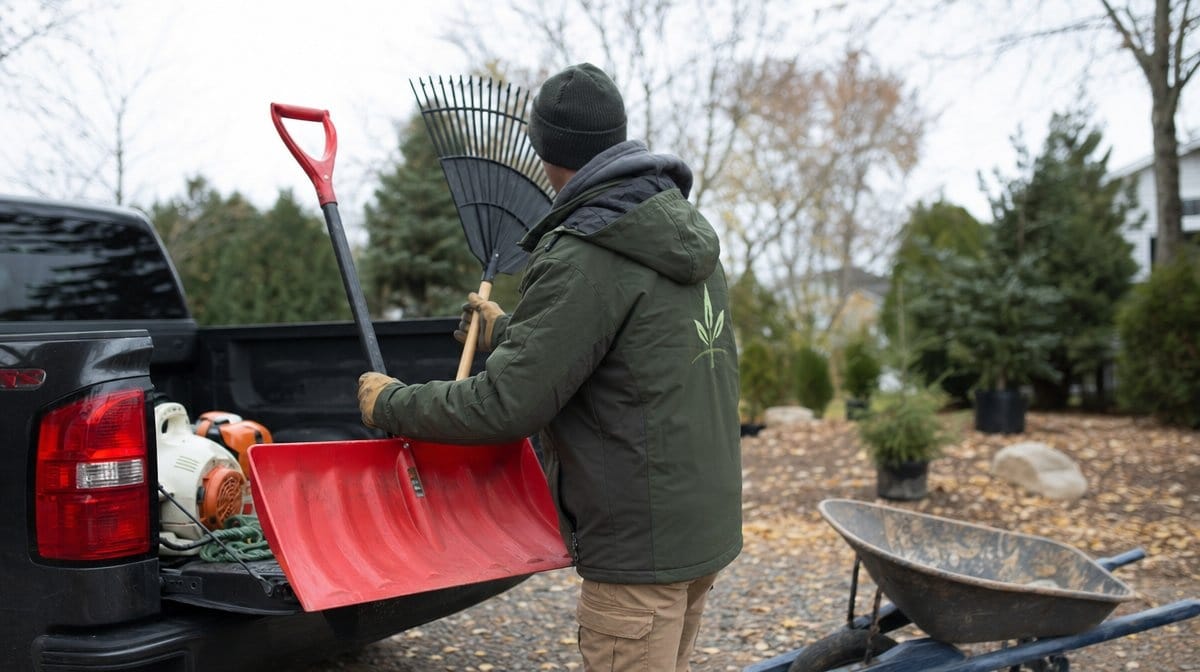
The alternative is to come up with additional services you can offer in winter. In regions of the world with heavy snowfall, you can offer snowplowing and driveway clearing, or you can rent out the equipment for clearing snow, such as pusher snow shovels.
Fierce Competition
Unlike other industries where big businesses are gorging up small mom-and-pop shops, small gardening businesses mostly face competition from one another. There are a lot of startups in gardening because it is fairly cheap and easy to buy gardening equipment. One way to overcome this problem is to set up your business away from densely populated areas with a lot of competitors. Before you are ready to offer your services, conduct extensive market research to determine which neighborhood is most suitable to set up shop in, using resources like the SBA overview of market research and competitive analysis.

Economic Ups and Downs
Like any other business, gardening is an industry susceptible to market fluctuations. The COVID-19 crisis is just one example of how the market can turn volatile within a short period, sometimes in a positive direction for green entrepreneurs. Even so, the fact remains that most homeowners consider gardening services and equipment a luxury rather than a necessity. When hardships hit, and more than half a million Australians lost their job during COVID, having enough to eat and paying utility bills become the priorities.
One of the household expenses people cut is landscaping services or expanding the garden. This is not the end of the world, however, as folks who cannot afford to hire you to mow their lawn may still come to you to buy a lawn mower, fertilizer, pruners, and similar supplies.
Private Labels
If you are in the business of selling gardening equipment, you might have noticed that sales have dropped for certain items. You can often trace the root of this problem to private labels that offer shoppers the best price-quality ratio on the market. Since you run a small business, it is nearly impossible to launch your own label to counter those of major garden retailers and wholesalers. What you can do is undermine their sales pitch by promoting the brand quality of the garden accessories you offer clients. If the difference in price is not that big, gardeners are more likely to go for a well-established brand they can trust rather than a generic private label.
Multitasking
When we say the gardening industry, we are actually referring to a number of jobs. From growing seedlings for subsequent sale to mowing other people’s lawns, there are thousands of roles in gardening. The good news is that you do not have to stick to a single job, as they can be mixed to increase profits. For instance, you can sell garden accessories and offer gardening services using those same tools, and you can teach workshops on how to sow seeds or which fertilizer to use.
Training
Speaking of workshops, you can also offer certification for prospective gardeners. You just need a permit from the department of agriculture or the department of education and you are all set to go. The only prerequisite for selling knowledge about gardening is to have experienced teachers. You can teach yourself or you can hire other people to teach, but make sure your training is effective. The educators should have been in the industry for years, so they have enough knowledge to pass on to interested green thumbs. Mind you, the educational part of the gardening business is the least physically demanding.

Regulations and Regulators
Having mentioned certification, you have to keep in mind that the government, whether federal or municipal, is one of the biggest challengers to a gardening business. All of the restrictions, bylaws, and taxes are hard to follow, which wastes an entrepreneur’s time. Once you add the regulations tied to other assets, such as vehicle registration and equipment licensing, you get a myriad of costs that can really eat into a small business’s profits. Municipal regulations complicate things further with fertilizer and pesticide ordinances that are sometimes decades old and outdated.
The trick is to develop a system of policies and procedures you can use to make compliance easier with all of the regulations, laws, and ordinances that must be followed.
Reaching a Competitive Price
The first thing many buyers and contractors do is drive down prices. Many landscaping companies have disrupted pricing with low offers that only pay off for big businesses. Luckily for small businesses, the industry is growing steadily at a rate of a couple of percent each year. Among clients, a lack of confidence is evident, so to improve your business, gardeners should focus on careful estimating and bidding, including cost control. Estimating, or bidding, is harder than it sounds. Handling crews and materials can be expensive when you set a competitive price, and even the slightest delay means your profit margin goes down.
Building a Customer Base
Customer service and customer care are not terms usually associated with small gardening businesses unless they are exclusively retail ones. Regardless of what you call your clients, even people who mow lawns have a customer base they have to actively care about. Customer service is so important that you should consider outsourcing it. It pays off to invest in a call center and a social media manager, so your customers get the ultimate care and support. This is something that other small business owners have already introduced, so you do not want to be lagging far behind.

Sustainable Growth
Managing growth opportunities is among the priorities of business owners. Simply keeping up with phone-call and email volume is a real challenge unless you have customer care set up, as explained above, so it is important to recognize the signs your business is ready to expand. When your small gardening business grows too much too fast, you are forced to ignore potential customers. Hiring more staff, buying new equipment, and finding new business partners are just some of the strategies you can resort to.
Labor Allocation
Speaking of hiring your dream team for growth, it is hard to find workers you can trust nowadays. If you have at least one employee you can trust with even the hardest gardening jobs, turn them into a mentor. This way you get to keep your senior staff and train new hires at the same time. And it is not nepotism if you invite your brother or cousin into the business. They do not necessarily have to do fieldwork, as you also need people you can trust as managers and customer-care agents. If they do their job right, they can count on a hefty bonus at the end of the year.
How Do You Overcome Gardening Business Challenges?
For every business challenge, there is a way to overcome it. You are not the first small gardening business owner to be on the rocks, so learn from others how to become an inspirational leader and rise to the challenge every single time. Build the right systems, plan for the slow seasons, price your work with care, and treat compliance as routine, and the eleven challenges above become manageable parts of running a healthy gardening business.
Frequently Asked Questions
What Are the Biggest Challenges of Running a Gardening Business?
The most common challenges are seasonality, fierce competition, economic ups and downs, private labels, multitasking, training, regulations, reaching a competitive price, building a customer base, sustainable growth, and labor allocation. Each one can be overcome with the right planning and a system of policies and procedures.
How Do You Keep a Gardening Business Going Through Winter?
Because gardening is seasonal work, save enough money to last until springtime, or add off-season services such as snowplowing and driveway clearing. Diversifying revenue keeps cash flowing when people stop hiring professional gardeners.
How Do You Compete With Other Local Gardening Businesses?
Small gardening businesses mostly compete with one another, so conduct extensive market research to find a neighborhood that is not already crowded with competitors. Setting up away from densely populated, saturated areas gives a new business more room to grow.
Do You Need a License or Certification to Run a Gardening Business?
Requirements vary by location, but you often need a permit from the department of agriculture or the department of education to offer certification, plus compliance with vehicle registration, equipment licensing, and local pesticide ordinances. A system of policies and procedures makes it easier to follow all of the regulations, laws, and ordinances.
How Do You Price Gardening and Landscaping Services Competitively?
Focus on careful estimating and bidding, including cost control, because handling crews and materials is expensive and even a slight delay lowers your profit margin. Compete on trusted brand quality and reliable service rather than racing to the lowest price.