Creative Ways to Promote Brand Identity for Your Small Business

Ask yourself a simple question: if a customer walked past your storefront today, would they recognize your brand a week later? For a small business, brand identity is the difference between being remembered and being forgotten. You are fighting for a position in the market against well-established brand names, so you have to come up with creative ways to stay relevant to your customers and raise brand awareness.
The good news is that promoting brand identity does not require a corporate advertising budget. It takes consistency, a few smart habits, and a willingness to get your name and logo in front of the right people. Below are eleven neat techniques to promote brand identity and engage with customers, each one practical enough to start this week.
What Is Brand Identity for a Small Business?
Brand identity is the collection of visible signals, your logo, colors, voice, and the experience you deliver, that together tell customers who you are and why you are different. For a small business, brand identity is more important than ever, because it is what distinguishes you from and helps you stay ahead of your competitors in a crowded market. According to the U.S. Small Business Administration’s guidance on marketing and selling your product, a clear and consistent brand is one of the most effective ways to build customer trust and repeat sales.
11 Creative Ways to Promote Brand Identity for Your Small Business
For a small business, brand identity is more important than ever. Since entrepreneurs have to fight for a position in the market against well-established brand names, they have to come up with creative ways to stay relevant to your customers and raise brand awareness. Here are eleven techniques that do exactly that.

Blogs Present a Marketing Opportunity
You know your customers best and can probably guess pretty accurately which online blogs they like to read. Blog posts that appeal to your customers are ideal for backlinking to your website, so work with blog owners to promote your business through their posts. It is also worth learning to start writing a blog about your business. This way, you have a chance to promote your business globally, which is a great way to prepare for future expansions.
Tête-à-Tête Meetings with Your Customers
Chitchatting or small talk has a distinctive social role aimed at establishing a close relationship with someone. Entrepreneurs have become so engulfed with balance sheets and tax reports that they have forgotten how to talk to their clients or business partners. Tête-à-tête communication should not be underestimated in the modern business world. The next time you run into a client or a potential business partner, take the time to chitchat with them, ask how they have been, and leisurely mention what your brand has to offer.

Always Carry a Business Card
Once you decide to talk to customers and partners face to face, you have to be presentable. Although they seem a bit outdated, business cards have not died out. Business people no longer use them to share contact info (the website does that part), but they are still a tangible tool to make sure people remember both you and your company.
Sponsor Local Events
When we see ads on stadiums, we know those companies coughed out great sums of money for those banners. However, sponsoring a local team, a local initiative, or an event is not as expensive as you might think. In return, you get free media exposure, and your visual brand can establish its identity in the local community. This is ideal for brick-and-mortar businesses that depend on local customers and foot traffic in the retail store.
Use a “Limited Time Offer Expires Soon”
Shoppers are used to seasonal discounts. Someone wanting to buy a pair of sneakers for summer knows that item will probably be on discount during winter. Your business cannot rely on such scheduled sales, so you need to shake up the market with a limited offer. The discount should be greater than the one offered by the competition but time-limited in nature. A weekend sale with as much as 50% off could generate enough revenue to keep you in the green for the whole month.
Branded Freebies
People love a good bargain, but they love free stuff even more. That is why you should make a habit of giving out branded freebies. Your company logo can go on a lot of things: pens, hats, mugs, T-shirts, key chains, and even personalised bean bags that can sit in front of the store.

Open and Manage Social Media Accounts
We probably do not have to tell you that building a brand identity on social media networks is a must. However, you need to pick carefully which platforms you join. Since all accounts have to be updated with novel content regularly, you should not stretch your social media resources too thin.
Depending on your region, four to five networks (Facebook, YouTube, Twitter, etc.) are enough to start with. Be ready to provide customer care on every platform you are present on. A message on Viber or WhatsApp is often a more efficient form of communication than an e-mail or a phone call.
Excellent Customer Service Is a Must
Speaking of customer service, there is nothing worse than a disgruntled customer or client. Once word spreads that your customer support agents are rude or disinterested, people will start giving your brand a wide berth.
Word of mouth recommendations are still one of the best ways to increase sales and make your brand heard of, so make sure you provide excellent customer service. This is paramount, because your competitors have already hired experienced agents, and you do not want to lag.
Ignore the Competitors
As we have already pointed out, the main reason building brand identity matters is to distinguish you from and stay ahead of your competitors. You need a unique value proposition that makes shoppers opt for your brand in the sea of other labels and manufacturers.
The best way to achieve this is to largely ignore your compatriots and their marketing strategies. That frees you to focus on promoting your own brand instead of trying to ape someone else’s ad campaign, which might turn out to be counterproductive for your business.
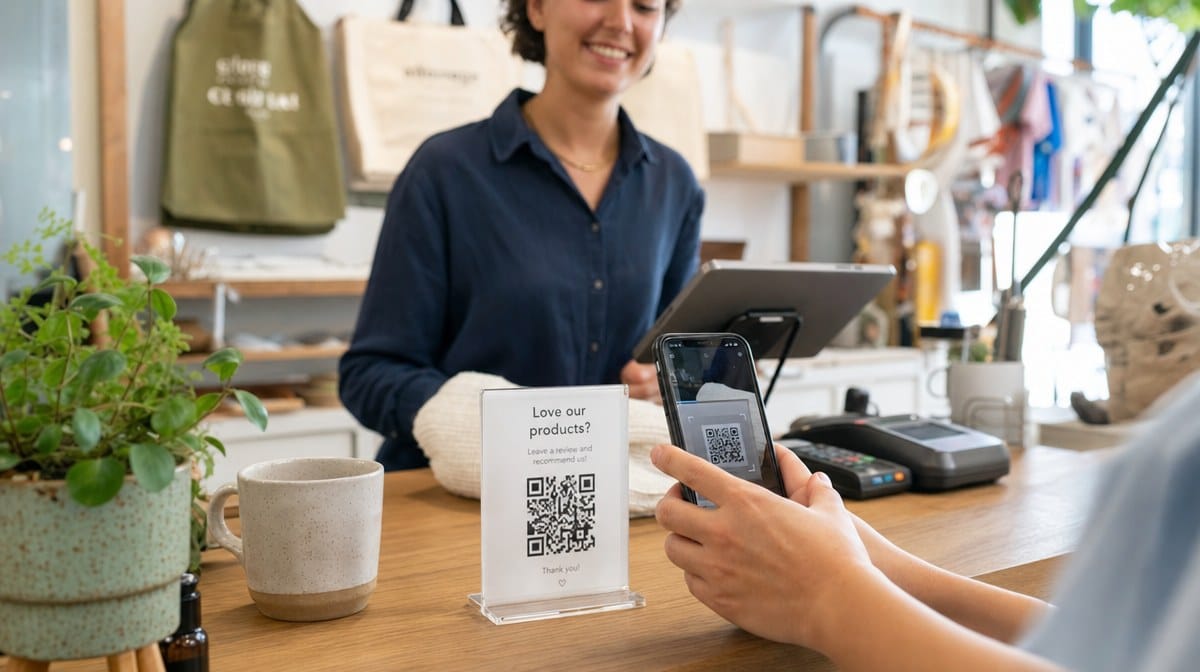
A QR Code Is a Big Help
The QR code became a powerful marketing tool because it is easy to scan and far less damage-prone than the standard barcode. A QR (Quick Response) code lets people access your website or Facebook page in a matter of seconds.
Whenever you display the company logo, make sure there is a QR code nearby. The code can be printed on the complementary free merchandise we mentioned earlier.
The Power of Genuine Testimonials
We still remember the Yelp scandal involving fake reviews. Fake testimonials and reviews remain a problem in the digital marketing industry, and that only adds weight to genuine testimonials from satisfied customers.
Your marketing department should contact current and former clients and invite those interested to write social media posts and share their success stories with the online community. Once a prospective client reads, or better yet watches, a testimonial on your website, they will be more inclined to ask for a quote.
Keep Promoting Your Brand Identity
Promoting brand identity lies at the heart of any small business’s day-to-day operations, and none of these eleven techniques requires a big budget, only consistency. The owner and the marketer have to constantly find creative ways to get the brand’s name and logo out there. The more familiar buyers are with your brand, the more likely they are to do business with you.
Frequently Asked Questions
What Is Brand Identity for a Small Business?
Brand identity is the set of visible signals, your logo, colors, voice, and customer experience, that tells customers who you are and why you are different. For a small business, a consistent brand identity is what makes buyers remember you and choose you over larger competitors.
How Can a Small Business Promote Its Brand on a Small Budget?
Low-cost tactics work well: guest blogging and backlinking, branded freebies like pens and mugs, sponsoring a local team or event, and a QR code on every piece of merchandise. Consistency matters more than the size of the budget.
Why Is Customer Service Part of Brand Identity?
Word of mouth still drives sales. A single disgruntled customer can spread the word that your support is rude or disinterested, so excellent customer service protects the brand you work so hard to build.
Do Business Cards Still Help Promote a Brand?
Yes. Although business cards seem a bit outdated, they have not died out. They remain a tangible tool that helps people remember you and your company after a face-to-face meeting.
How Many Social Media Platforms Should a Small Business Use?
Depending on your region, four to five networks such as Facebook, YouTube, and Twitter are enough to start. Pick the platforms your customers already use, and be ready to provide customer care on each one.