What Are the Benefits of Lean 5S System?

Lean 5S rarely fails because its five steps are flawed. It fails when a workplace treats them as a cleanup event, a labeling exercise, or a rigid set of appearance rules instead of a daily operating system. Those common misconceptions about Lean can produce tidy photographs for a week without improving the way work actually flows.
Used as designed, Lean 5S creates an orderly workplace, makes problems easier to see, reduces wasted time and motion, and gives employees a practical way to improve their own work. Understanding the benefits of a Lean 5S system starts with understanding what each S contributes, why programs fall short, and how Sustain turns a one-time effort into a working habit.
What Is Lean 5S?
Lean 5S is a cyclical method for organizing and maintaining a productive work environment. The five terms are Seiri, Seiton, Seiso, Seiketsu, and Shitsuke, commonly translated as Sort, Set in Order, Shine, Standardize, and Sustain. The American Society for Quality’s Five S tutorial connects the method with a clean, uncluttered, safe, and well-organized workplace that can reduce waste and support productivity.
The order matters because each step prepares the next. Sort removes what the work does not need. Set in Order gives necessary items a defined location. Shine combines cleaning with inspection. Standardize turns the first three steps into repeatable best practices. Sustain develops the customs and discipline that keep the cycle moving. That sequence makes 5S a form of Lean process improvement, not a decorating exercise.
SEIRI (Sort)
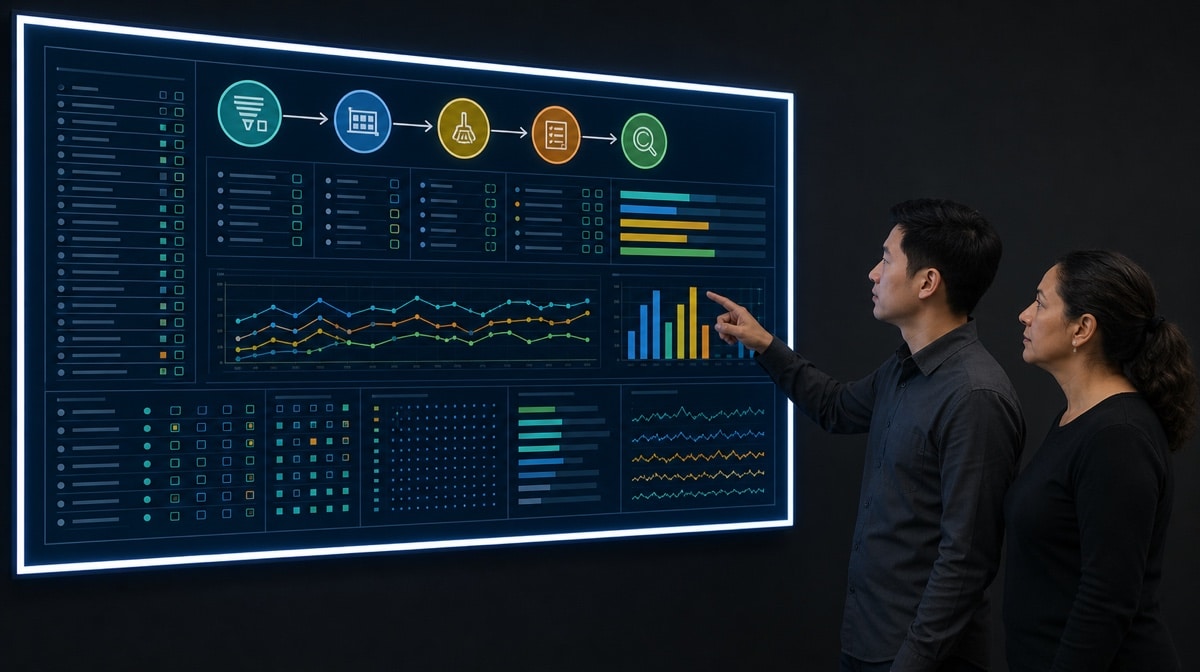
Seiri means distinguishing between necessary and unnecessary things and getting rid of what the work does not need. Teams may remove broken tools, duplicate supplies, expired forms, excess inventory, and files that no longer support the current process. Sort should be based on actual work requirements, not on whether a manager prefers an empty surface.
SEITON (Set in Order)
Seiton is the practice of orderly storage. It places frequently used items where the right person can pick the right item efficiently, without wasted searching, reaching, or walking. Labels, tool outlines, floor markings, file conventions, and defined locations help make normal conditions obvious and missing items visible.
SEISO (Shine)
Seiso creates a clean worksite without garbage, dust, spills, or unnecessary things, but Shine is more than housekeeping. Cleaning is also inspection. A worker who wipes down a machine may discover a leak, loose fitting, unusual vibration, worn cable, or damaged guard before the defect causes downtime or affects quality.
SEIKETSU (Standardize)
Seiketsu standardizes the best practices created by the first three steps. Everyone should know where to find the same thing, what condition the area should be in, who owns each routine, and what to do when the standard is not met. Simple checklists, visual cues, recurring schedules, and clear responsibilities make the expected condition repeatable across shifts.
SHITSUKE (Sustain)
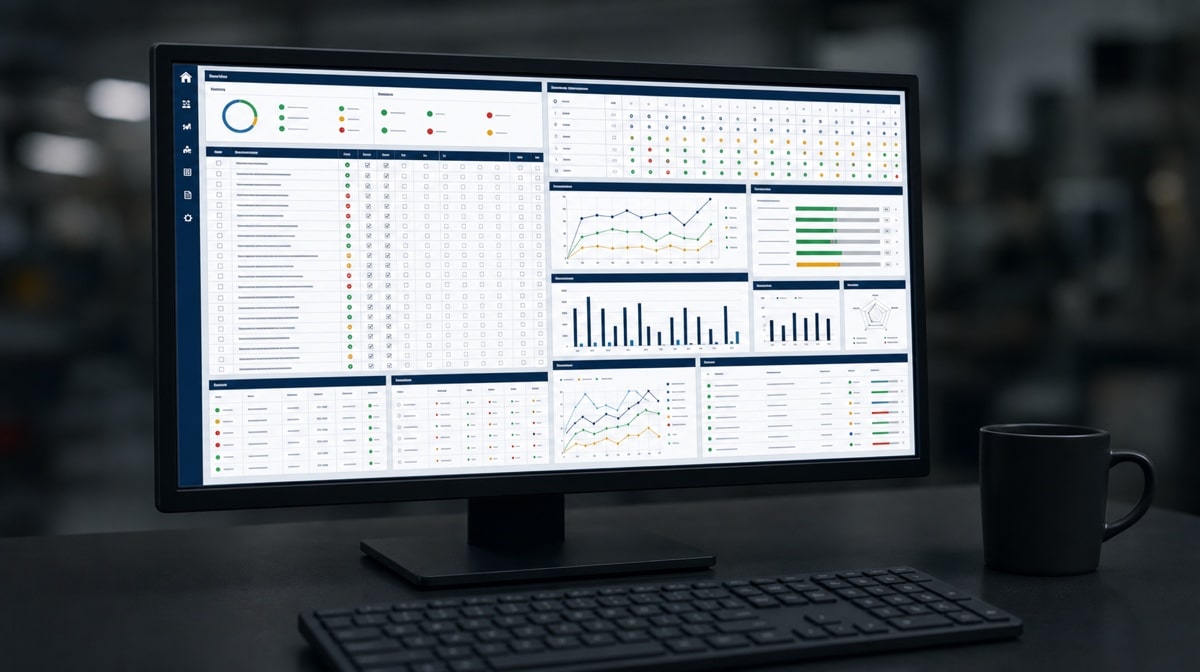
Shitsuke is the practice of developing customs so workplace regulations and rules are correctly followed. Sustain is not a final box to check. It includes regular use, short reviews, employee feedback, correction of weak standards, and continued improvement. Without Sustain, the other four steps gradually unwind and the old condition returns.
Why Do Lean 5S Programs Fall Short?
Very little needs to be wrong with the method for a 5S effort to disappoint. The shortcomings usually come from how leaders implement Lean thinking. A team can complete Sort, install labels, clean every surface, and still lose the gains because daily behavior, ownership, and problem solving never changed.
Why Is 5S Not a One-Time Event?
Organizations that don’t get much from 5S often fall short on the last and most crucial element: Sustain. To them, 5S is an event. The company schedules a cleanup day, photographs the result, and moves on. Within weeks, extra material accumulates, locations lose their meaning, checklists become stale, and the same delays return.
Lean 5S isn’t a one-time cure, like a pill or injection for a serious physical ailment. It is a system and a cycle. The better analogy is exercise performed three or more times a week. One hard session cannot create lasting fitness, and one cleanup cannot create lasting workplace discipline. Regular practice makes the desired condition normal.
Why Is 5S More Than Cleaning?
Clearing everything off everyone’s desk once a year is not a Lean 5S system. Having a place for everything and everything back in its place every day is closer to the point. The goal is to remove Lean waste, reveal abnormal conditions, and make the correct way of working easier to follow.
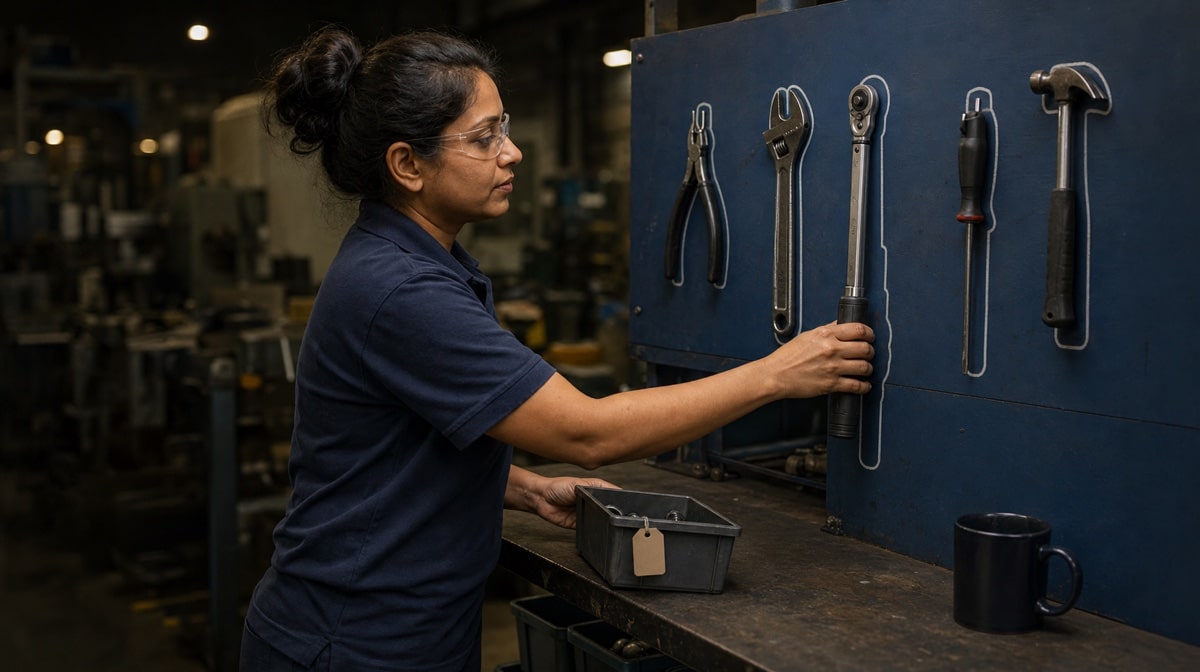
Shine supports this purpose when workers clean while they inspect. Set in Order supports it when the missing tool, empty bin, or blocked path is immediately obvious. If the program measures only whether surfaces look clean, it misses flow, quality, maintenance, safety, and the conditions that create waste.
When Does 5S Become Tyrannical?
Lean 5S is sometimes applied rigorously by overzealous, micromanaging managers who mistake tyranny for discipline. Taken to extremes, 5S can stifle individuality and creativity, lowering morale and productivity. People aren’t inspired when every harmless variation is treated as a violation and every audit sounds like, “It has to be this way or else.”
Standardizing is about processes and procedures, not people. A workstation can have a consistent location for safety equipment, tools, current instructions, and materials without robbing the area of personality. Limiting workers to “one or two personal effects, not to exceed a certain size or character” has nothing to do with reducing waste unless a real safety, quality, or flow requirement justifies the rule.
What Are the Benefits of a Lean 5S System?
A Lean 5S system can be great for a company when employees understand the purpose and help shape the standards. Its benefits come from better working conditions and clearer operating signals, not from neatness alone. The organized workplace becomes a platform for safety, quality, faster flow, and incremental improvement.
How Does 5S Support Safety and Morale?
An employer’s concern for cleanliness and worker safety can contribute significantly to morale. People take greater pride in their company when the company takes pride in its plant, offices, and people. Clear walkways, maintained equipment, visible storage locations, and current instructions also reduce the everyday friction that tells employees their work environment is not being managed.
Employee involvement matters. The people who use a workstation understand which items are necessary, where delays occur, and which standards are practical. When they participate in Sort, Set in Order, and Standardize, the resulting system is more likely to support the work and less likely to feel imposed.
How Does 5S Improve Space and Workflow?
The efficiencies gained by freeing up space, improving layout, and optimizing workflow can be enormous. Removing unused material creates capacity without adding floor space. Positioning tools, supplies, information, and equipment around the sequence of work reduces reaching, walking, searching, backtracking, and unnecessary handling.
Less time and motion are wasted when workstation layout is optimized, even in an office setting. The same logic applies to shared drives, forms, templates, folders, and approval paths. Good workplace organization makes the next required item or action easier to locate and makes missing information easier to notice.
How Does 5S Improve Productivity and Turnaround?
Productivity improves when the work is laid out to maximize efficient flow and turnaround time. Employees spend more time completing value-creating work and less time compensating for clutter, unclear locations, missing tools, excess inventory, or obsolete instructions. Consistent conditions also make it easier to train a new employee and compare actual performance with the expected process.
How Does 5S Encourage Kaizen?
A well-run 5S system encourages employees to think about and look for other incremental improvements as they go about their daily business. A location that keeps failing, a tool that is always missing, or a checklist that never matches the work becomes a prompt for problem solving. Those small observations support kaizen principles instead of allowing waste to become invisible.
The Toyota Production System connects daily kaizen with eliminating waste and making work easier for workers. 5S supports that direction by creating stable, visible conditions where employees can recognize a problem, understand the standard, test an improvement, and see whether it worked.
How Do You Use a Lean 5S System Effectively?
Effective 5S is built into normal work. It does not depend on a heroic annual cleanup or a manager policing cosmetic details. The system needs clear ownership, short recurring routines, useful standards, visible follow-up, and permission for employees to improve a rule that no longer supports safety, quality, or flow.
Make Sustain Part of Daily Work
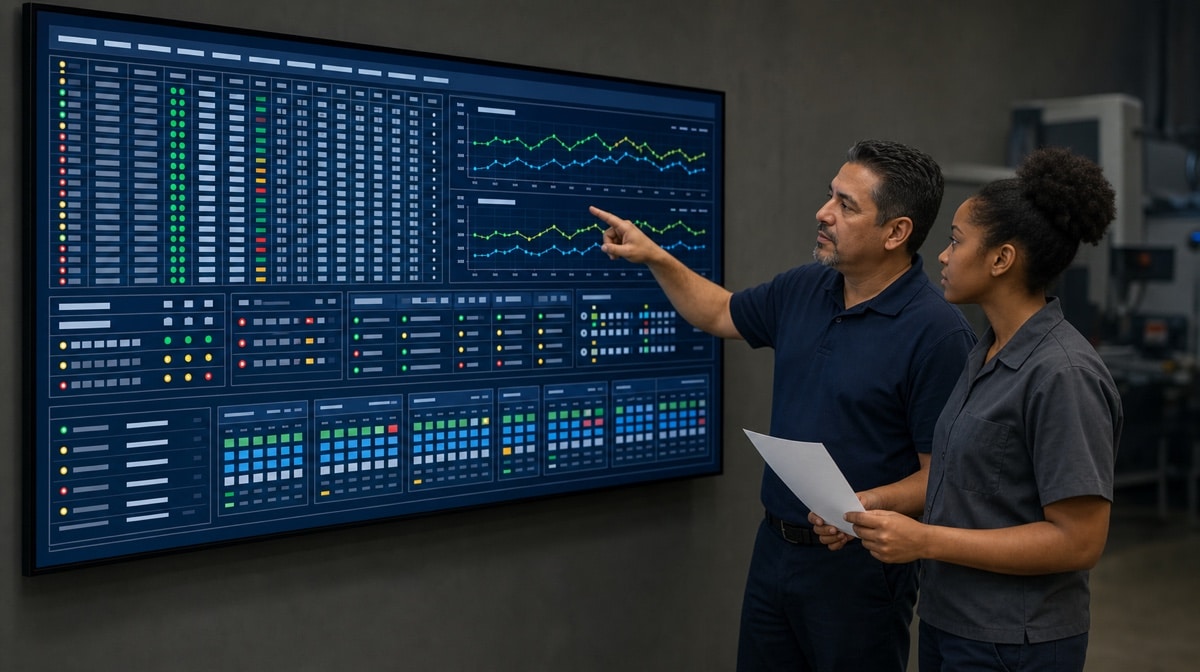
Assign 5S responsibilities to the people closest to each area and make the routines small enough to repeat. A five-minute reset, a weekly check, a monthly team walk, or a response to an abnormal condition is more useful than a long audit that arrives after the workplace has already deteriorated. Leaders should review missed standards as information about the system, not simply as evidence of employee failure.
Use Standards to Reveal Problems
A good standard makes the normal condition easy to understand and an abnormal condition easy to spot. It should explain what matters, who owns it, and why. If a label, photograph, checklist, or storage rule no longer matches the work, correct the standard. Blind compliance with a bad rule is not Sustain, and constant exceptions are a signal that the rule needs improvement.
Protect a Sustainable Work Pace
In the effort to optimize workflow, maximize efficiency, and gain productivity, organizations sometimes forget to build breaks, maintenance, and recovery into the plan. People cannot maintain uninterrupted concentration throughout the workday, and frequent task switching can increase errors. Machines and computers also need maintenance and planned downtime. A standard that ignores those limits creates workarounds rather than reliable performance.
Improve the System Without Standardizing People
Review whether each 5S requirement protects a real need: safety, quality, flow, availability, maintenance, or ease of use. If it does not, ask why it exists. The moral is simple: understand and follow the spirit of the law, not the letter of the law. Use Lean 5S as it was designed and the result can be increased success, a satisfied workforce, and a workplace that keeps learning.
Frequently Asked Questions
What Is Lean 5S?
Lean 5S is a cyclical workplace organization method that uses Sort, Set in Order, Shine, Standardize, and Sustain to reduce waste and maintain productive working conditions.
What Do the Five S Terms Mean?
The five terms are Seiri for Sort, Seiton for Set in Order, Seiso for Shine, Seiketsu for Standardize, and Shitsuke for Sustain.
What Are the Main Benefits of Lean 5S?
The main benefits include safer and more orderly working conditions, better use of space, less wasted time and motion, clearer standards, improved workflow, and more opportunities for incremental improvement.
Why Do Lean 5S Programs Fail?
Programs fail when leaders treat 5S as a one-time cleanup, focus on appearance instead of work, impose rigid rules without employee input, or neglect the Sustain step.
How Do You Sustain a Lean 5S System?
Sustain Lean 5S by assigning clear ownership, building short routines into daily work, reviewing standards regularly, responding to abnormal conditions, and involving employees in continued improvement.