How Would You Increase the Online Presence of a Store?

A store can have a strong product line, a loyal local following, and a good physical location, yet still lose customers when its online presence is weak. During the pandemic, many physical stores moved more of their operations online, but the larger lesson did not disappear when doors reopened: customers now expect to discover, compare, message, review, and buy from stores online.
With competitors digitizing their businesses through different eCommerce strategies, you need an online presence that helps customers find you before they choose someone else. So how would you increase the online presence of a store? Start with the basics: improve the website, choose the right social networks, keep those channels active, create useful content, optimize for search, promote the site, and maintain directory listings.
What Is Online Presence for a Store?
Online presence for a store is the full set of digital touchpoints that make the business visible and credible to customers. It includes the store website, online shopping pages, search listings, social media accounts, review profiles, business directories, email or message channels, and any digital ads or sales funnels that bring people back to the store.
This matters because online shopping and online research are now routine parts of retail behavior. The U.S. Census Bureau tracks retail e-commerce as a significant share of total retail sales, which is one reason even a local store needs to treat digital visibility as an operating asset, not a side project. A better online presence helps customers check your hours, understand your products, ask questions, compare reviews, and decide whether to visit or buy. See the U.S. Census retail e-commerce data for the scale of online selling activity.

How Can Businesses Improve Their Online Presence?
Businesses improve their online presence by making each customer-facing digital touchpoint accurate, active, and useful. As more consumers turn to online shopping and online research, improving visibility gives your store more chances to be found by customers who are already searching for products, services, hours, support, or reviews.
That does not mean every store needs every channel. A small or mid-sized company usually gets better results by building a strong base and then adding channels that match its audience. Some stores also use outsourced customer support or call center services to keep customer questions covered 24/7, but the channel only helps if the website, listings, and social profiles give customers the right information first.
The practical path is simple. Make the website useful, make the store findable in search, choose social channels intentionally, publish content customers care about, promote the site with a clear conversion path, and keep directory listings consistent.
How Do You Improve Your Website?
Having a web page is mandatory if you want to improve your web presence. For many customers, the website is the first proof that the store is real, current, and worth visiting. It should explain what you sell, where you are located, how customers can buy, and how they can contact you.
- Connect you to potential global clients and local customers who search before visiting.
- Enhance your brand credibility with accurate product, service, location, and support information.
- Help you market your products and services through landing pages, blog content, offers, and store updates.
- Make you an authority in the brand or category you are dealing in by answering customer questions clearly.
If you have not established a website, WordPress remains one of the common platforms stores use to publish pages, product information, and content. You can review the official WordPress project if you are comparing basic publishing options. The platform matters less than the discipline: keep the content current, make pages mobile-friendly, and make the next step obvious.
A website also needs operational maintenance. Check whether the phone number, hours, shipping policies, service areas, product categories, and forms still work. A store that looks closed, outdated, or hard to contact online loses brand credibility before a customer ever reaches the counter.
How Should a Store Join Social Networks?
It is all about attracting customers online. For more than a decade, social media platforms such as Facebook, LinkedIn, X, formerly Twitter, Snapchat, and Pinterest have shaped how customers discover stores, ask questions, watch product demos, and share recommendations. Facebook reached more than 2 billion users years ago, and the broader point still holds: large social networks can put a store in front of audiences that would not find the website directly.
Choose channels based on customer behavior, not pressure to be everywhere. A boutique might lean into Instagram and Pinterest. A B2B supply store might get more value from LinkedIn and search. A local retailer might use Facebook and local groups for events, seasonal offers, and customer conversations.
How Do You Keep Social Media Active?
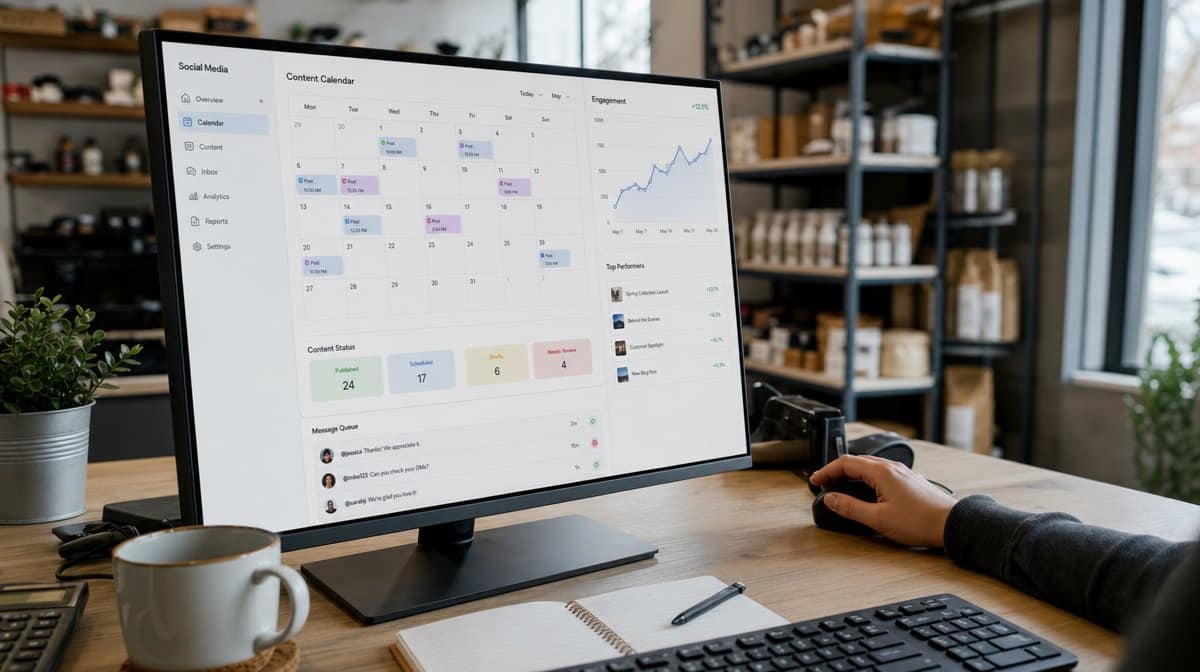
Upon creating an account, you have to engage your followers on social media on a regular basis. Otherwise you will lose them and end up negatively impacting your online presence. A dormant page can make a store look less reliable than a competitor with fresh hours, recent photos, and current customer responses.
Set a simple operating rhythm. Take time each day or week to monitor messages, respond to queries, update store hours, answer common questions, and share posts that spark conversations. Mention your brand naturally, but do not turn every post into a sales pitch. Customers return when the account is useful, timely, and human enough to trust.
How Does Captivating Content Help?
Content is king, but only when the content helps the customer do something. Blog posts, product guides, short videos, photos, buying checklists, comparison pages, and customer FAQs can keep customers hooked to your website and social media accounts because they answer questions that would otherwise go to a competitor.
To make great content, you first need to know who your audience is. A home goods store might publish care guides and seasonal inspiration. A business supply store might publish checklists and ordering tips. A specialty retailer might use videos, images, and other visual aids to show how products work. The content should be relevant, high quality, and tied to the decisions customers actually make before purchase.
How Do You Optimize Your Website?
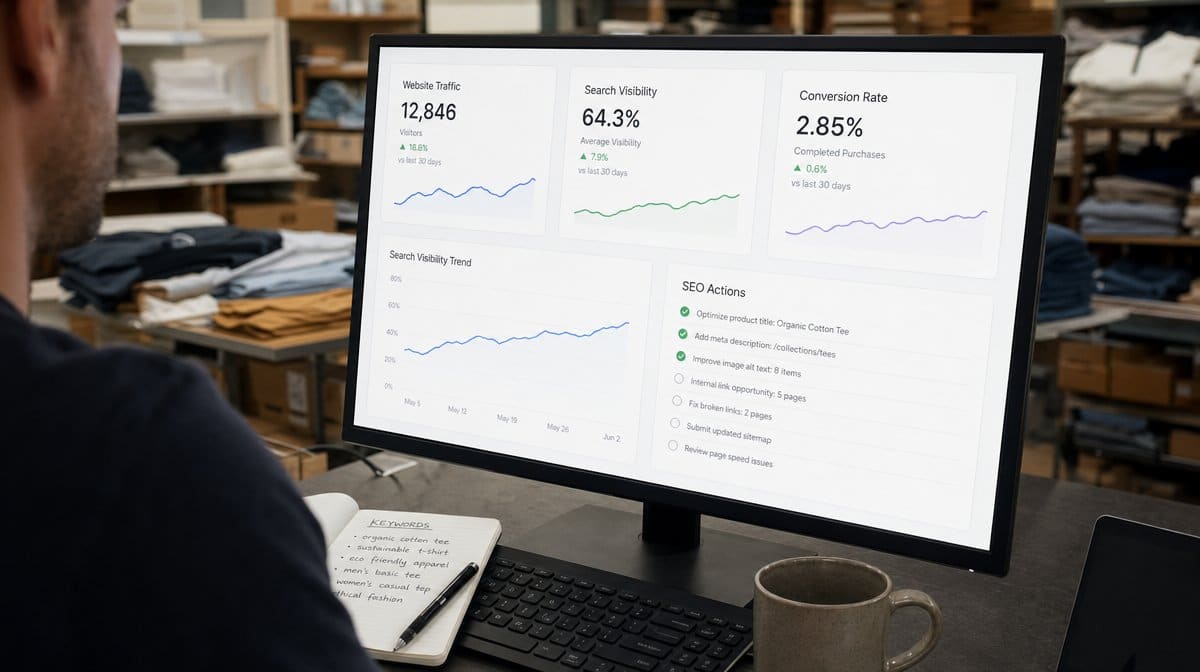
When you set up e-commerce or a store website, you want people to visit the website, get interested in your brand, and make a purchase or visit. The way to support that journey is web optimization, including keyword search, technical cleanup, useful page titles, local search signals, and high-quality backlinks.
Start with the words customers use. A thorough keyword search helps you understand whether customers look for product names, service categories, local terms, problems, or comparisons. Then use that language in page titles, headings, descriptions, product pages, and supporting content. Google Search Central explains that SEO helps search engines understand content and helps users find the right pages, which is the practical goal of store optimization. See Google Search Central’s SEO starter guide for the official baseline.
Good backlinks can help a web page rank better on search engines such as Google, but they should come from legitimate partners, associations, suppliers, press, community pages, and useful content, not spam. If SEO is not your team specialty, you can hire a professional provider, but the store owner still needs to understand the basics well enough to judge whether the work improves customer visibility.
How Should You Promote Your Website?
If you are promoting a product or service through your website and want to maximize conversion rates, a sales funnel can help organize the path from first visit to purchase. Tools such as ClickFunnels can help build landing pages and funnels, while platforms such as Funnelish focus on e-commerce funnel and store optimization.
The tool is not the strategy. A useful funnel clarifies the offer, removes unnecessary steps, tracks leads, measures conversion rates, and improves website traffic quality. For a store, that might mean a product landing page, seasonal promotion, appointment request, free sample request, or online checkout path.
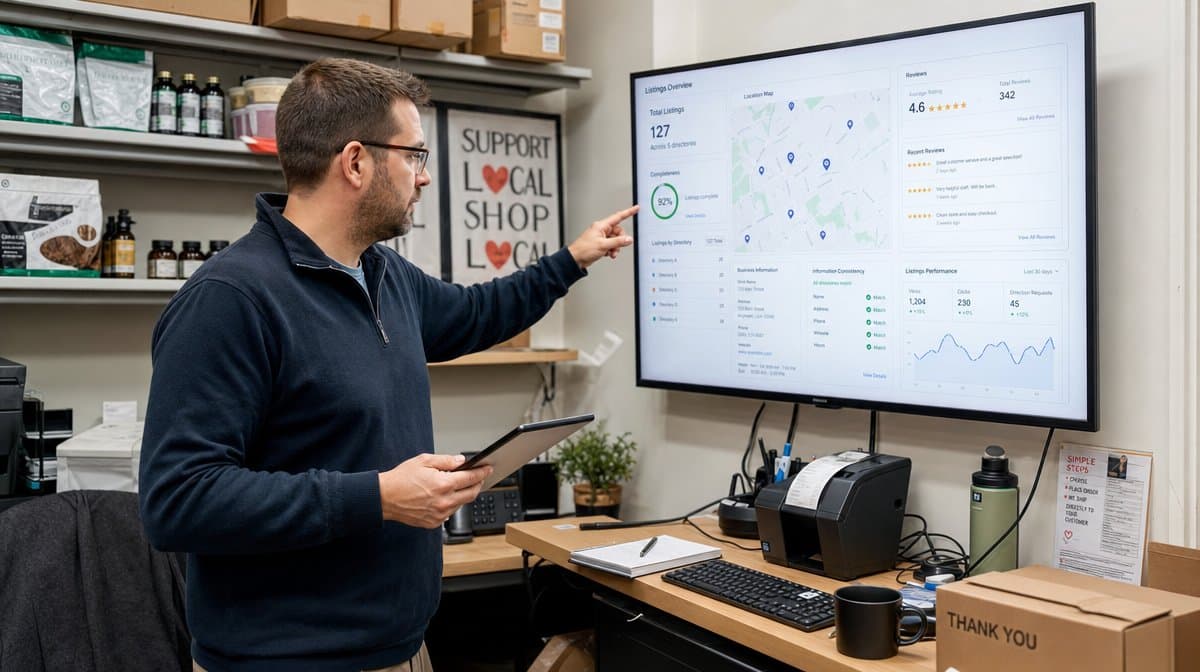
Why Should You List Your Business on Directory Sites?
Listing your business on directory sites helps customers find consistent details about your store across search engines, maps, review sites, and local business directories. It does not automatically guarantee visibility, but it can improve the quality and consistency of the signals customers and search engines see.
At a minimum, directory listings should show the same name, address, phone number, website, hours, categories, and service details. Add current photos where the platform allows it, monitor customer reviews, and correct outdated listings when they appear. These small details matter because customers often decide whether to call, visit, or buy based on what they see before they ever reach your website.
How Do You Increase the Online Presence of a Store?
Increasing the online presence of a store means treating digital visibility as a cornerstone of your marketing strategy. You need to constantly remind customers about your brand because if you do not, competitors will take over the discovery moments that matter.
Investing in digital marketing does not have to mean doing everything at once. Start with the website, social activity, useful content, SEO, promotion, and directory listings. Then measure what brings customers closer to a purchase, visit, call, or repeat order.
Frequently Asked Questions
What Is Online Presence for a Store?
Online presence for a store is the collection of places where customers can find, evaluate, contact, and buy from the business online. It includes the website, search visibility, social media profiles, online store pages, directory listings, customer reviews, and digital marketing campaigns.
Why Does a Store Need an Online Presence?
A store needs an online presence because many customers research products, hours, reviews, and directions before they visit or buy. A visible online footprint helps the store stay in front of customers even when they are comparing competitors outside normal business hours.
How Can a Store Improve Its Website?
A store can improve its website by keeping product and service information current, making the site mobile-friendly, publishing useful content, and optimizing pages for search. The site should make it easy for customers to understand what the store sells and what action to take next.
Which Social Media Channels Should a Store Use?
A store should use the social media channels where its customers already spend time. Facebook, Instagram, LinkedIn, X, Snapchat, and Pinterest can all work in different markets, but the best channel mix depends on the store audience, product type, content capacity, and local customer behavior.
How Do Directory Listings Help Store Visibility?
Directory listings help store visibility by making the store easier to find in local search, maps, review sites, and business directories. Consistent name, address, phone number, hours, and website details also reduce customer confusion and support trust.