
Bizmanualz blog
Accounting is often dubbed the “language of business,” and at the core of this language lies the humble journal entry. Crafting am entry in the journal first might seem like a straightforward task, but its accuracy and clarity are vital for maintaining transparent financial records. In this article, we’ll delve into the intricacies of writing […]
Read more
Soc Type 1 and Type 2 Reports are two different types of reports used in the System and Organization Controls (SOC) framework. Type 1 Reports provide an independent assessment of the design and operating effectiveness of the controls in place at a specific point in time. Type 2 Reports provide an independent assessment of the design and operating effectiveness of the controls over a period of time.
Read more
Shell corporations, also known as shell entities, are distinguished by the absence of significant business operations or assets. They are now inactive and are used for a variety of financial activities. Shell corporations can be used for legitimate purposes such as tax planning, asset protection, and confidentiality. But, they can also be used for illicit activities like money laundering and fraud.
Read more
Take write-offs in accounting is a process used by businesses to reduce the value of an asset or liability on their balance sheet. This process is used to account for losses that have occurred due to a variety of reasons, such as bad debt, obsolete inventory, or damaged goods. It is important for businesses to understand the implications of taking write-offs in order to ensure accurate financial reporting.
Read more
Accounts Receivable is an important asset for any business. It is the money owed to a company by its customers for goods or services that have been delivered or used, but not yet paid for. Accounts Receivable is considered an asset because it is money that is owed to the company and can be collected in the future. It is also considered a form of revenue because it is money that has been earned but not yet received.
Read more
Are you looking for a way to record the disposal of assets? This article provides a comprehensive guide to help you understand the process and ensure that all assets are properly disposed of. We’ll discuss the importance of asset disposal, the steps involved, and the best practices to follow.
Read more
Are you looking for ways to reduce your break even point? This article will provide you with strategies to help you reduce your break even point and maximize your profits.
Read more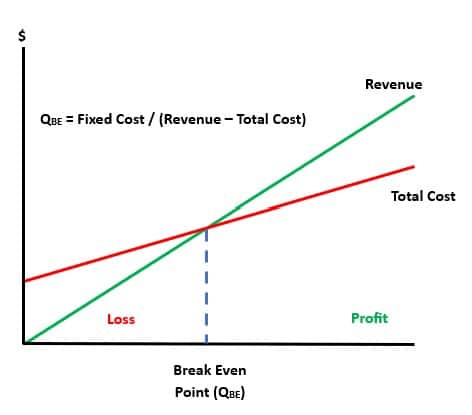
Starting a petty cash fund is a great way to manage small expenses without having to write a check or use a credit card. It’s a simple and efficient way to keep track of small purchases and reimbursements.
Read more
Are you dealing with a bad debt that you can’t seem to pay off? Writing off a bad debt can be a great way to get out of debt and improve your financial situation. This article will provide you with an overview of the process of writing off a bad debt, including the steps you need to take, the potential risks and benefits, and the best strategies for success. We’ll also discuss the different types of bad debt and how to determine if writing off a bad debt is the right choice for you. With this information, you’ll be able to make an informed decision about whether writing off a bad debt is the best option for you.
Read more
Accumulated depreciation is an accounting concept that is used to track the depreciation of an asset over its useful life. It is a non-cash expense that is recorded on the balance sheet as a reduction of the asset’s value.
Read more
Best Manual Deals
-
 9-Manual CEO Company Policies and Procedures Bundle | Save 45%
$ 2,495.00
-
 ISO 22000 Food Safety Procedures Manual | ABR213M
Original price was: $ 395.00.$ 197.00Current price is: $ 197.00.
-
 ISO 22000 Seguridad de los Alimentos Procedimientos | ABR219M
Original price was: $ 395.00.$ 195.00Current price is: $ 195.00.
-
 ISO 9001 Quality Manual | ABR211MPM
$ 49.99
Business Manuals
-
 Sales Marketing Policies and Procedures Manual | ABR44M
$ 495.00
-
 ISO 9001 2015 Procedures | ABR211M
$ 495.00
-
 Finance Policies Procedures Manual | ABR42M
$ 495.00
-
 Accounting Policies and Procedures Manual | ABR31M
$ 495.00
-
 IT Policies and Procedures Template Manual | ABR34M Information Security Policy Manual
$ 495.00
-
 HR Policies and Procedures | ABR41M Employees Policy Examples
$ 495.00
-
 Security Policies and Procedures Manual | ABR32M
$ 395.00
-
 Disaster Recovery Planning Manual | ABR33M
$ 395.00
-
 AS9100 Quality Procedures Manual Rev D | ABR217M Aerospace QMS
$ 395.00
-
ISO 22000 Food Safety Procedures Manual | ABR213M
Original price was: $ 395.00.$ 197.00Current price is: $ 197.00.
-
9-Manual CEO Company Policies and Procedures Bundle | Save 45%
$ 2,495.00
-
ISO 22000 Food Safety Procedures Manual | ABR213M
Original price was: $ 395.00.$ 197.00Current price is: $ 197.00.
-
ISO 22000 Seguridad de los Alimentos Procedimientos | ABR219M
Original price was: $ 395.00.$ 195.00Current price is: $ 195.00.
-
ISO 9001 Quality Manual | ABR211MPM
$ 49.99
-
 How to Prevent Embezzlement Manual | ABR242DWD
Original price was: $ 49.99.$ 19.99Current price is: $ 19.99.