
Bizmanualz blog
The Balance Sheet and Income Statement are two of the most important financial documents used by businesses. They provide a snapshot of a company’s financial health and performance. While both documents provide valuable information, there are some key differences between them. The Balance Sheet and Income Statement are both important documents for understanding a company’s financial health, but they provide different types of information. Knowing the differences between them can help you make better decisions about your business.
Read more
Cash flow and free cash flow are two important financial metrics used to measure the financial health of a business. Cash flow is the total amount of money coming in and out of a business, while free cash flow is the amount of cash available to the business after all expenses and investments have been paid. The difference between cash flow and free cash flow is that free cash flow is the amount of money that is available to the business to use for growth and expansion.
Read more
Depreciation is an accounting concept that is used to spread the cost of an asset over its useful life. It is a non-cash expense that is used to reduce the value of an asset on the balance sheet. It is important to understand whether depreciation is a fixed cost or variable cost. Understanding the difference between fixed and variable costs is important for businesses to accurately calculate their expenses and profits.
Read more
Are you ready to start your own business? It can be a daunting task, but with the right starting a business checklist, you can make sure you have all the necessary steps covered. This checklist will help you plan your business, create a budget, register your business, and more. It will also provide you with tips and advice on how to make your business successful. Get started today and make sure you have all the information you need to get your business off the ground.
Read more
If you have encountered an error while using a product or service, it is important to report it for correction. This article provides a step-by-step guide on how to report an error correction. It covers the importance of reporting errors, the process of reporting errors, and the benefits of doing so. It also provides tips on how to ensure that your error report is effective and efficient. By following the steps outlined in this article, you can help ensure that errors are corrected quickly and accurately.
Read more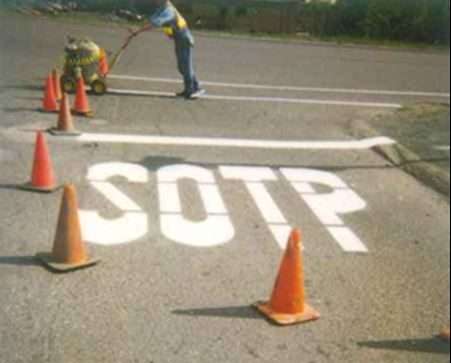
Advertising is an important part of any business, but it can be difficult to decide whether it should be treated as an expense or an asset. This article will discuss the pros and cons of both approaches, helping you to decide which is best for your business. We’ll look at the different types of advertising, the costs associated with each, and the potential returns.
Read more
Underwriting risk is a major factor in the insurance and securities industries. It is the risk that an insurer or securities issuer will incur losses due to the inability to accurately assess the risk of a particular policy or security. This article will discuss the various types of underwriting risk, the methods used to assess and manage this risk, and the potential consequences of failing to properly manage underwriting risk. It will also provide insight into how insurers and securities issuers can reduce their exposure to underwriting risk and ensure that their products are properly priced and managed.
Read more
Reconciling petty cash is an important part of any business. It helps to ensure that all transactions are accounted for and that the business is operating within its budget. This article will provide a step-by-step guide to reconciling petty cash, including how to track expenses, identify discrepancies, and make corrections. It will also discuss the importance of having a system in place to ensure accuracy and accountability. With this guide, you will be able to confidently reconcile your petty cash and ensure that your business is running smoothly.
Read more
Reconciling the general ledger is an important part of any business’s financial management. It ensures that all financial transactions are accurately recorded and reported. This article will provide an overview of the process of reconciling the general ledger, including the steps involved, the benefits of doing so, and the potential risks associated with it.
Read more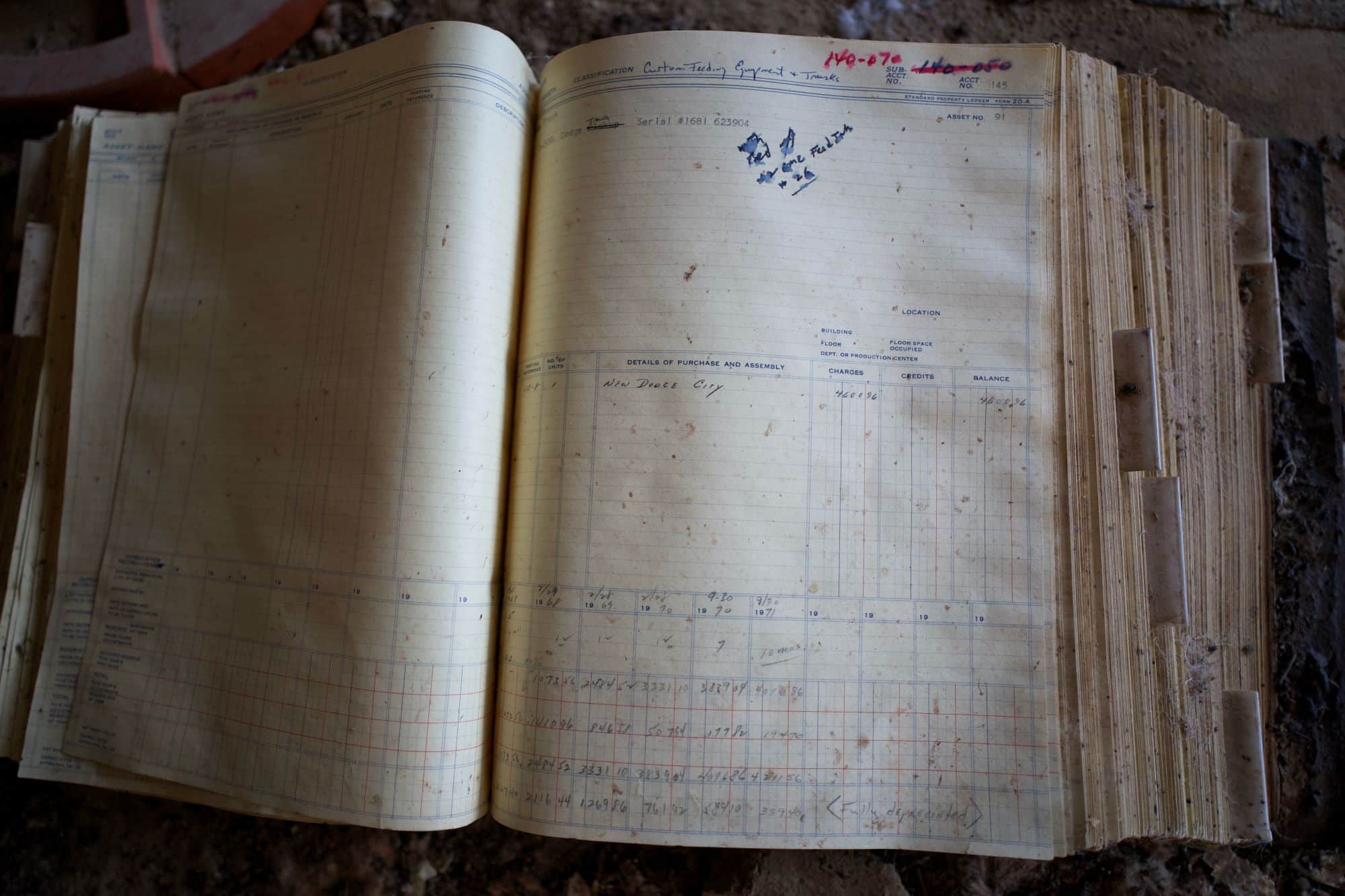
An inventory write-down is a process used by businesses to reduce the value of their inventory on the balance sheet. This article will provide an overview of the process, including the reasons why a write-down may be necessary, the steps involved, and the potential implications for businesses. It will also discuss the importance of accurate record-keeping and the potential consequences of not reporting a write-down. Finally, it will provide guidance on how to report a write-down and the potential benefits of doing so. This article is essential reading for anyone looking to understand the process of reporting an inventory write-down and the potential implications for their business.
Read more
Best Manual Deals
-
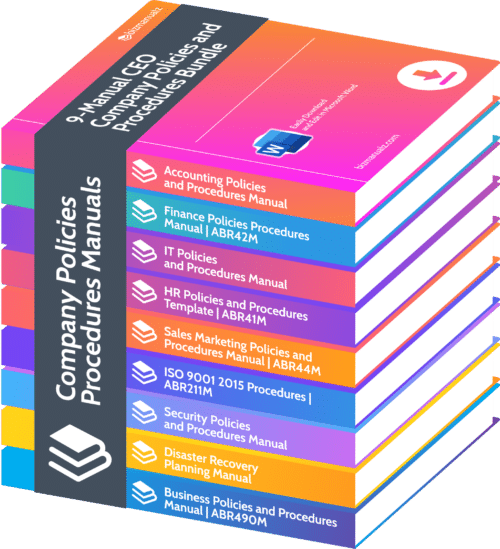 9-Manual CEO Company Policies and Procedures Bundle | Save 45%
$ 2,495.00
-
 ISO 22000 Food Safety Procedures Manual | ABR213M
Original price was: $ 395.00.$ 197.00Current price is: $ 197.00.
-
 ISO 22000 Seguridad de los Alimentos Procedimientos | ABR219M
Original price was: $ 395.00.$ 195.00Current price is: $ 195.00.
-
 ISO 9001 Quality Manual | ABR211MPM
$ 49.99
Business Manuals
-
 Sales Marketing Policies and Procedures Manual | ABR44M
$ 495.00
-
 ISO 9001 2015 Procedures | ABR211M
$ 495.00
-
 Finance Policies Procedures Manual | ABR42M
$ 495.00
-
 Accounting Policies and Procedures Manual | ABR31M
$ 495.00
-
 IT Policies and Procedures Template Manual | ABR34M Information Security Policy Manual
$ 495.00
-
 HR Policies and Procedures | ABR41M Employees Policy Examples
$ 495.00
-
 Security Policies and Procedures Manual | ABR32M
$ 395.00
-
 Disaster Recovery Planning Manual | ABR33M
$ 395.00
-
 AS9100 Quality Procedures Manual Rev D | ABR217M Aerospace QMS
$ 395.00
-
ISO 22000 Food Safety Procedures Manual | ABR213M
Original price was: $ 395.00.$ 197.00Current price is: $ 197.00.
-
9-Manual CEO Company Policies and Procedures Bundle | Save 45%
$ 2,495.00
-
ISO 22000 Food Safety Procedures Manual | ABR213M
Original price was: $ 395.00.$ 197.00Current price is: $ 197.00.
-
ISO 22000 Seguridad de los Alimentos Procedimientos | ABR219M
Original price was: $ 395.00.$ 195.00Current price is: $ 195.00.
-
ISO 9001 Quality Manual | ABR211MPM
$ 49.99
-
 How to Prevent Embezzlement Manual | ABR242DWD
Original price was: $ 49.99.$ 19.99Current price is: $ 19.99.