The Best SaaS Onboarding Best Practices to Ensure Your Customers’ Success

Also known as customer onboarding, SaaS onboarding is the process that moves new subscribers from signup to confident product use. Many businesses still neglect the significance of this process in their customer retention strategies, even though those first days shape product recognition, satisfaction, and customers success.
In this post, we will focus on practical onboarding habits that can boost customers’ success, increase retention, and help a customer success team turn a first login into a meaningful user experience. So what is a best practice regarding the onboarding of new subscribers?
What Is SaaS Customer Onboarding?
In simpler terms, SaaS customer onboarding is catered towards introducing your offerings to prospects and making them understand the use and scope of your products. It is not just a product tour. It is the structured process that helps a new user understand why the product matters, how to complete the first useful task, and where to get reliable assistance when questions appear.
A well-structured customer onboarding strategy gives new customers a clear path from account creation to early value. Harvard Business Review has described the first days and weeks of a B2B relationship as critical for building value, especially when companies improve customer understanding, align functional groups, and communicate clearly during onboarding. That is exactly the operating goal for SaaS teams: reduce uncertainty, shorten time to value, and stay fresh in the user’s mind.
The best SaaS onboarding best practices are not gimmicks. They connect sales discovery, product education, documentation, support, checkup calls, and ongoing customer satisfaction into one onboarding cycle. When that cycle works, customers understand the product faster and have more reasons to return after the first try.
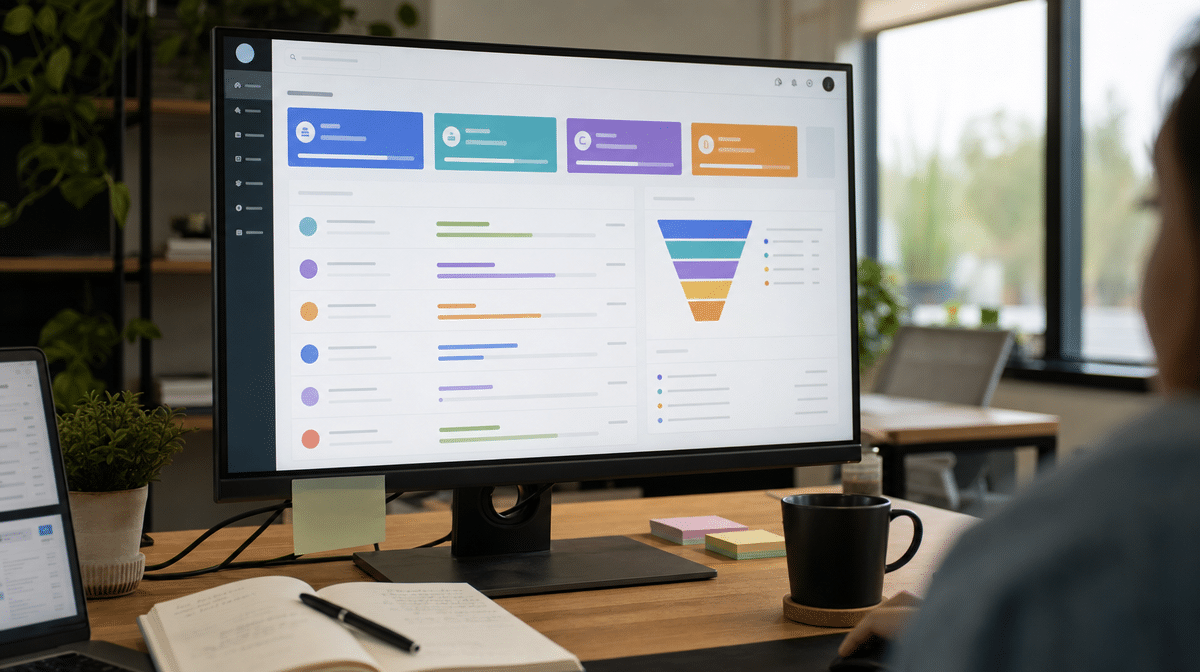
6 SaaS Onboarding Best Practices to Ensure Customer Success
You might be armed with all the best resources and a strong customer success team, but if you are failing to provide a memorable onboarding experience to customers, then you will struggle to win their loyalty. Offering reliable assistance and understanding their business needs play a vital role in developing positive client relationships and increasing profitability.
The six practices below cover the full onboarding flow: understand customer expectations, develop procedures for the onboarding cycle, learn from competitors, simplify signup, send a gripping welcome email, and build customer trust. Each practice supports the same goal: help customers move from interest to active product use without unnecessary friction.
1. Understand Customers’ Expectations
To enhance your onboarding progress, business executives must urge sales teams and customer success teams to devise a strategy that helps them understand the user and their expectations from the product. What are their problems? How can you address their needs? What problems might they face using the product? These questions should be answered before onboarding starts, not after the customer has already stalled.
This is about building rapport and a bond with your customers using the data you receive so you can serve them better henceforth. Sales notes, welcome surveys, product usage data, support history, polls on social media platforms, and direct email feedback can all provide valuable insights. The point is not to collect data for its own sake. The point is to match onboarding steps to the business needs that caused the customer to subscribe in the first place.
A customer who wants faster reporting needs a different first session from a customer who wants better team handoffs. A buyer who is migrating to the cloud may need reassurance about change management and documentation. When expectations are visible, the onboarding experience becomes specific instead of generic, and that specificity increases customer satisfaction.
2. Develop Procedures For The Onboarding Cycle
When it comes to prioritizing onboarding practices, there are certain steps to focus on which can help businesses boost product recognition and familiarization. If you are not putting in the effort to deliver a memorable experience, then you are less likely to bring back customers after the first try. McKinsey’s work on client onboarding emphasizes end-to-end workflow ownership, case management, and employee skills, which applies just as clearly to SaaS customer onboarding.
Here are some procedures to follow to enable a seamless customer onboarding process:
- Create a simple signup procedure.
- Send a notification about account creation.
- Send a verification or confirmation email.
- Make first contact with a welcome email.
- Guide the first login.
- Provide a product tour through a checklist or tutorial.
- Offer support through documentation.
- Use in-app notifications at the right moment.
- Send a message or give a checkup call after initial use.
These steps are simple, but they need ownership. Someone should know which customer is waiting for confirmation, which user has not completed the product tour, and which subscriber needs documentation before they can move forward. Without that procedural view, onboarding becomes a loose collection of emails, tooltips, and support tickets.

3. Learn From Your SaaS Competitors
In order to follow the proper approach for customer onboarding, you need to study your competitors and find out what they are doing differently to deliver a pleasant experience to their customers and helping them migrate to the cloud. Look through their tactics, assess their weak and strong points, and then construct your customer onboarding plans so the targeted audience can realize how beneficial your product can be.
When you are using apps from renowned industries that offer free trials, find out how they make their apps easier to use. Is it easier to navigate through their app? How quickly do they explain the first action? Do they ask for too much information too soon? Give a glance to the different techniques they have used and how it influences the user’s experience.
Another important feature to test is whether they provide on-demand customer service. Documentation, chat, help centers, training videos, and checkup messages all show how committed a company is to offering help. Observing a competitor’s customer service center can inspire you to serve your customers better, but do not copy the surface details. Translate what works into your own onboarding strategy, audience, product complexity, and support model.

4. The SaaS Signup Process
While the SaaS market is saturated, a simple and instructive signup process can still help you get ahead of the competition. One way to do so is by creating a form that asks for only little and relevant information. This shrinks the barrier to signing up and gives customers a faster path to the first useful moment inside your software.
The form should include positive comments that support your signing up process. For example, you can say that users can access key features of your app by filling out the simple signup form. Include concise customer testimonials and reviews if they encourage new users to complete registration without distracting them.
Make sure the signup sequence matches the value you promised before registration. If the user has to create an account, verify an email, answer a survey, invite a teammate, and configure settings before seeing anything useful, the first impression can feel heavy. Social signup buttons can reduce friction when appropriate, but they should not replace the more important discipline: ask for what you need, explain why you need it, and help the user reach value quickly.
5. Sending A Gripping Welcome Email
Once a new user has signed up, it is essential that you send an email extending a warm welcome to the subscriber. This is your first real email, which initializes the bond between you and your customer, so make it count. A suitable welcome email should be short, appreciative, and useful.
Avoid adding too much content. State relevant facts and information regarding your service to capture attention, then point customers toward the next action. This could be a first-login link, a short video, documentation, a product tour, or a checklist. You can even offer downloadable resources to add more value to their experience, provided those resources directly help the customer complete the next step.
Emails are also a way to stay in touch after the initial signup. Directly relevant content, specified ads, and promotional messages can be useful later, but the welcome email should not be overloaded with promotions. It should answer the new user’s immediate question: what should I do next, and where can I get help if I am stuck?
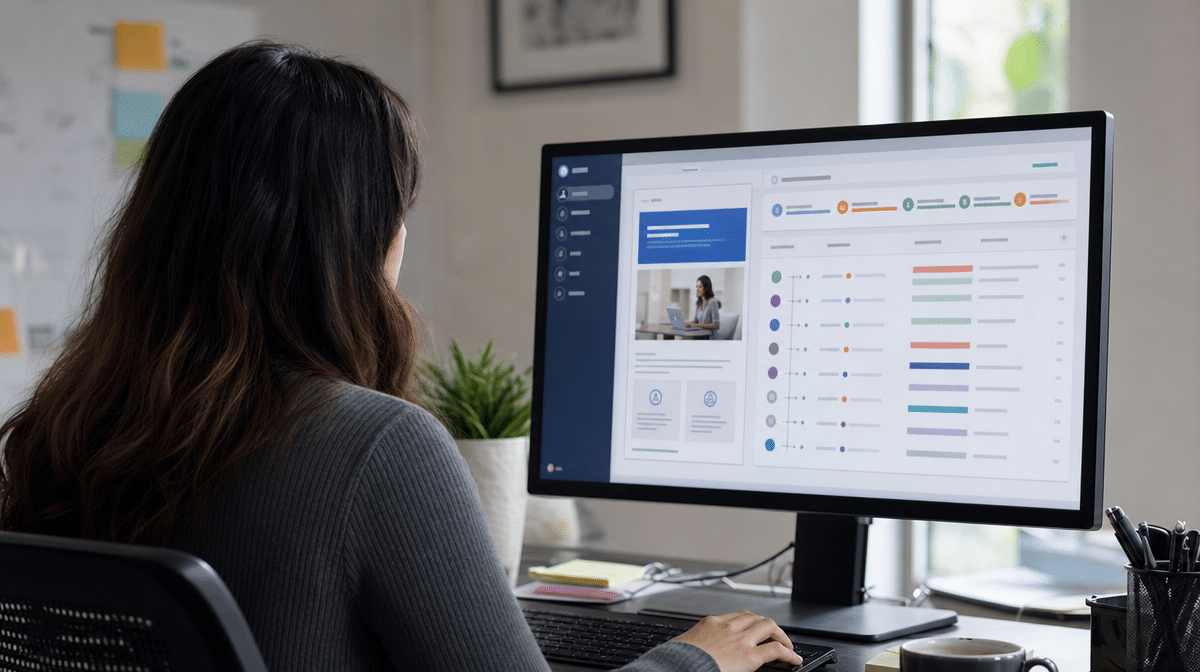
6. Build Customer Trust
In order to make your onboarding lifecycle successful for the long term, you need to focus your efforts on building customer trust and loyalty. When a customer trusts your business, it results in a higher customer success rate. Trust is not built by one welcome email or one product tour. It is built by consistent clarity, honest expectations, prompt support, and useful guidance over time.
Below are a few points that can enhance customer trust in your service or product:
- Provide concise and honest details of your service.
- Offer excellent customer support with clear availability and response expectations.
- Direct customers towards the right content, documentation, and pages.
- Always respond to customer feedback promptly.
- Use onboarding data to spot stalled accounts before they churn.
Trust also depends on what happens after onboarding. If customers finish a product tour but never return, the onboarding lifecycle has not succeeded. Give your customers the best experience through your SaaS software by implementing robust onboarding strategies that make it easier to understand your offering and apply it to real work.
SaaS Onboarding Best Practices
The most reliable SaaS onboarding best practices are practical and repeatable: understand expectations, create procedures, learn from competitors, simplify signup, write a useful welcome email, and build customer trust. These techniques should not only make it easier for your customer to understand how to use your SaaS offering, but also make them understand how your SaaS product can bring benefit to their lives.
A strong onboarding strategy gives each user a path, not just a login. It helps prospects become customers, helps customers become active users, and helps active users become loyal advocates. That is why the onboarding cycle belongs inside your customer retention strategy, not beside it.
Frequently Asked Questions
What Is SaaS Customer Onboarding?
SaaS customer onboarding is the structured process of introducing new subscribers to a software product, helping them understand its value, and guiding them through the first useful actions. It usually includes signup, account confirmation, first login, product education, documentation, support, and follow-up.
Why Is SaaS Onboarding Important For Customer Success?
SaaS onboarding is important because it shapes whether customers understand the product quickly enough to keep using it. A clear onboarding process reduces confusion, improves customer satisfaction, and supports retention by helping customers reach value early.
What Should A SaaS Onboarding Process Include?
A SaaS onboarding process should include a simple signup procedure, confirmation email, welcome email, first-login guidance, product tour, documentation, in-app notifications, and a checkup message or call. The exact sequence should match the customer’s goals and the product’s complexity.
How Can SaaS Teams Improve The Signup Process?
SaaS teams can improve signup by asking only for relevant information, explaining why each step matters, and helping users reach the first useful action quickly. Social signup, short forms, testimonials, and clear next-step messaging can reduce friction when used carefully.
How Do You Build Trust During SaaS Onboarding?
You build trust during SaaS onboarding by setting honest expectations, providing clear documentation, offering prompt support, and responding quickly to feedback. Trust grows when customers feel guided rather than pushed through a generic product tour.