
What Are 10 Leading Indicators for Measuring Organizational Success?
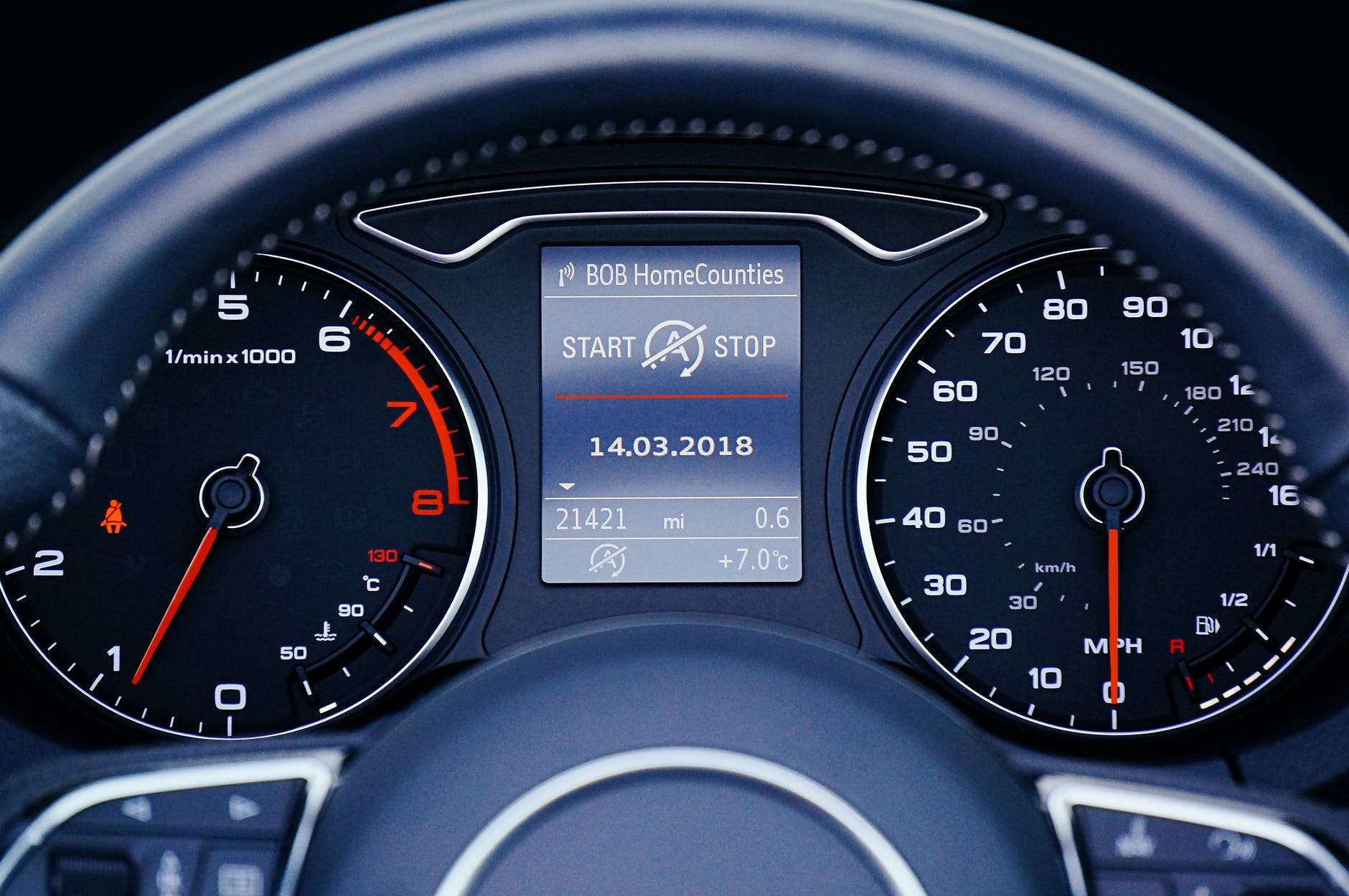
Many metrics exist to focus an organization on important organizational objectives and drive the company forward. Key organizational metrics are more controversial. Many organizations will focus on revenue, profit, and growth as “Key” measures of success. Yet, all three are lagging indicators for measuring organizational success (what has happened) and will not tell you the whole story about your organizations prospects (what will happen). What Are 10 Leading Indicators for Measuring Organizational Success?
Revenue does not say anything about your foundation. Revenue can rise due to asset sales, unprofitable discounts, or realizing future revenue today. Profitable revenue is more important yet profit is an accounting number filled with depreciation, amortization, absorption rules and tax effects. Growth sounds great but can hide failing products, while horizontal growth can spread the organization too thin.
 The 10 Leading Indicators For Measuring Organizational Success

So what is an organization to do? Produce a balance of leading and lagging indicators for measuring organizational success. Leading indicators represent metrics that forecast a high probability of future success. For example, the relationship you have with your customers can say a lot about your future sales, you competitive advantage, and your prospects for future growth.
1. Communication Effectiveness
Did your employees understand, not just hear, your latest communication message? Sure you said it in your last meeting, newsletter, memo, or web page, but does anybody understand it? How would you know? Did you use a test, quiz, or did someone repeat it back in different words? Do you have a measure for the effectiveness of your communications?
2. Customer Relationships
We are not talking about customer satisfaction. Often times a customer may be satisfied, but what is your relationship index with them? Relationships are two-way streets. How do you feel about them? Do they pay on time, generate enough revenue, and are they easy to work with? Focusing on customer satisfaction alone could lead to unprofitable customers. Sure the customer is always right but are they the right customer for you? Do you have a measure for customer relationships?
3. Employee Satisfaction

Happier employees will lead to happier customers. Do you have an employee satisfaction index that measures: absenteeism, complaints, turnover, and surveys?
4. Brand Image
This is about more than recognition, brand image is a leading indicator of success regarding how people feel about your organization. Use market research and survey your market to determine if your brand image is rising or falling.
5. Distraction
Everybody has a job within your organization but how much time do they spend on what they were hired to do? Do you have a measure for administrative tasks, quality improvement, and other management assignments? In lean we try to eliminate this waste. How much time is spent on those tasks management asked you to do but are not part of your job description?
6. Trust

Do people believe in your organization/leaders? You could call this the “foot-dragging” index. If people do not believe in their management then they will erect barriers that will slow down the implementation of any management program or initiative and customers will stall and stop buying. Do you have a measure for determining your organizations level of honesty and integrity both inside and outside of your organization?
7. Customer Frustration
Do you want your customers to have a consistent and beneficial experience with your organization? So how do you seek out, count and measure the aggravations, frustrations and negative surprises that your customers experience as they do business with you? I know that most companies do not measure this because every major corporation has a phone tree you must navigate to talk to them, and then you are put on hold, only to talk to the person that cannot help you. Frustrated customers will eventually abandon your organization in search of a more pleasant vendor experience. Are you measuring customer frustrations?
8. Supplier Relationships
Just like customer relationships, supplier relationships must be measured too. How easy is the supplier to do business with? Are they responsive to your needs? Is their quality more than sufficient? Suppliers provide inputs that are, in some way, passed on to your customers. Garbage in equals garbage out so how do you measure your supplier relationships?
9. Project Management

Every organization has projects, either for clients or for internal customers. The better your organization is as delivering on project objectives, the more effective and efficient it will be. How do you measure a project’s budget and cost performance, schedule completion, quality and even innovation?
10. Employee Competence
This is more than just training hours, it is about actually learning something useful to your job. To do this right is difficult. You might develop a competency matrix defining the required skills versus the required skill level. Then measure everyone’s current skill as a percentage. The gaps indicate the training required to move the organization toward higher competence. Are you measuring competence?
Leading Indicators For Measuring Organizational Success

Producing a balanced set of leading and lagging indicators for your company is critical to measuring organizational success. Your leading indicators represent metrics that forecast a high probability of future success. Balance those with your lagging indicators, which measure how well you are performing today. A balanced combinations of both leading and lagging metrics will produce the greatest chance of success.
Download free policies and procedures templates to build a foundation for the continuing success of your organization.





I have read with keen interest the presentation on the significance of focussing on leading indicators as much as lagging indicators for measuring organisational success. They resonate quite well with our experience at JESCAL Enterprise.