How to Write an Article in Minutes | Bizmanualz

A short writing window disappears quickly when the first half is spent choosing a topic, checking email, and revising the opening sentence. To be productive and write an article in minutes, you need more than faster typing. You need a prepared idea, protected time, and a clear boundary between drafting and editing.
The seven tips below show how to create writing time, capture ideas, build a practical outline, control distractions, meet a target, use a timer, and edit after the draft is complete. The goal is not an unreadable rush job. It is an adequate, efficient working draft that can be checked and improved before publication.
What Does It Mean to Write an Article in Minutes?
Writing an article in minutes means using a repeatable process to produce a focused first draft within a specific time. It does not mean skipping research, accepting weak reasoning, or publishing without revision. Writing faster is not simply about typing more quickly. It involves a mentality shift, a willingness to improve, and a useful balance of mind, environment, preparation, and attention.
The practical objective is to make adequate and efficient use of the time you have for writing. When the idea, audience, structure, and target are already clear, your drafting window can be used for actual sentences instead of repeated decisions. That preparation makes speed more reliable without sacrificing quality.
How Can You Write Articles Fast? Seven Practical Tips
A faster article begins before the first sentence. You have to work on both yourself and your environment, then remove choices that would otherwise interrupt the draft. Use the following seven tips in order, but adapt the exact time and word target to the assignment.
Create a Writing Time
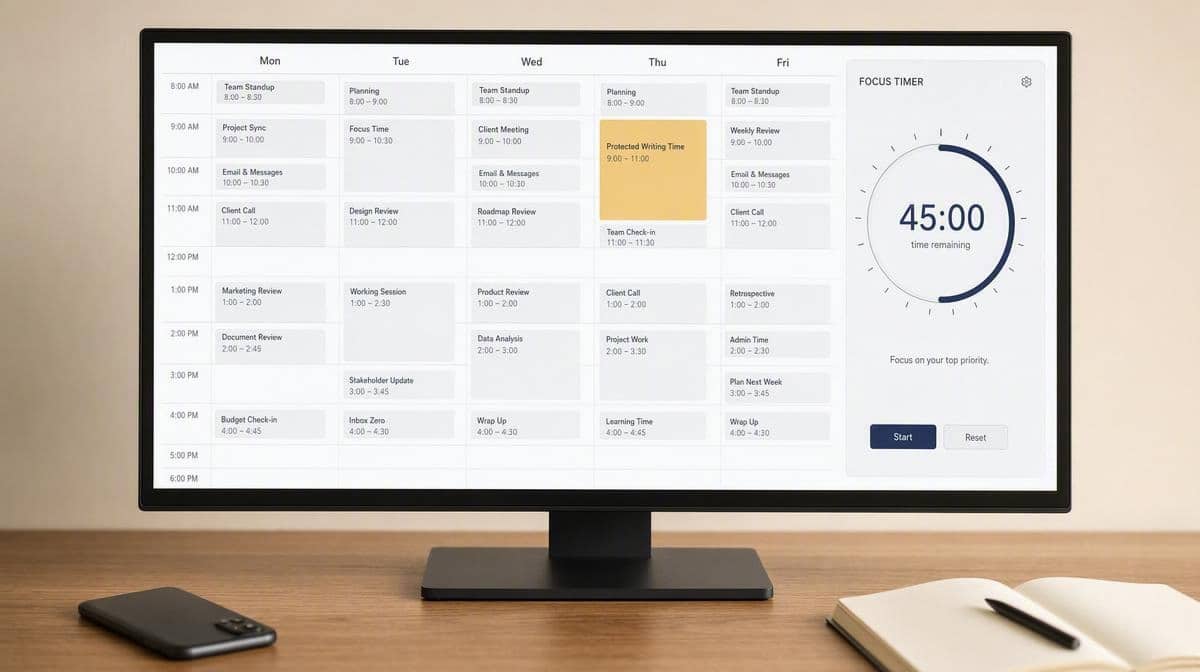
You cannot write if you do not create time for writing. Identifying a dependable window is a good business writing skill because families, meetings, day jobs, and other obligations can divide your attention. You must attend to those responsibilities, but they do not have to create constant interference with your writing. Schedule writing when you usually face the fewest interruptions, and treat that block as a real appointment.
You may be thinking that the only solution is to cut sleep. First of all, do not. Secondly, do not. Cutting sleep would not help you write faster and could end with you becoming unproductive. Apart from the health complications that come from not sleeping, attention, language production, reasoning, problem-solving, and response speed can all suffer. That is consistent with NIOSH guidance on sleep deprivation and performance. Protect adequate sleep and build productive work habits around the hours when you are already alert.
When creating a writing time, use these rules:
- Keep away from the internet unless the draft requires a specific source.
- Turn off your phone or place it out of reach.
- Close social media, chat, and unrelated browser tabs.
- Avoid checking email during the writing block.
- Do not work through meals or basic breaks.
- Settle practical needs before the timer starts.
These controls reduce the number of small decisions competing with the article. The phone can become your enemy at this point, so please turn it off. Keep social media away, avoid checking emails often, do not write during meal times, and ease yourself before you write. If a thought is unrelated but important, write it on a separate capture list and return to the draft.
Develop a Writing Idea List
All your writing is centered around ideas. Without writing ideas, there would be nothing to develop into an article. To take your technical writing to the next level, capture promising ideas immediately instead of trusting yourself to remember them later.
Use a notebook, a recorder, or a simple digital note. Include the audience, the problem, and one useful example when possible. Looking for writing ideas can consume a large part of a short writing window, but when the idea list is already developed, you can explore the strongest option instead of starting from nothing. Write ideas down immediately, then return when you are ready to develop them. A related Bizmanualz guide offers more ways to develop engaging content ideas.
Build on Your Writing Ideas
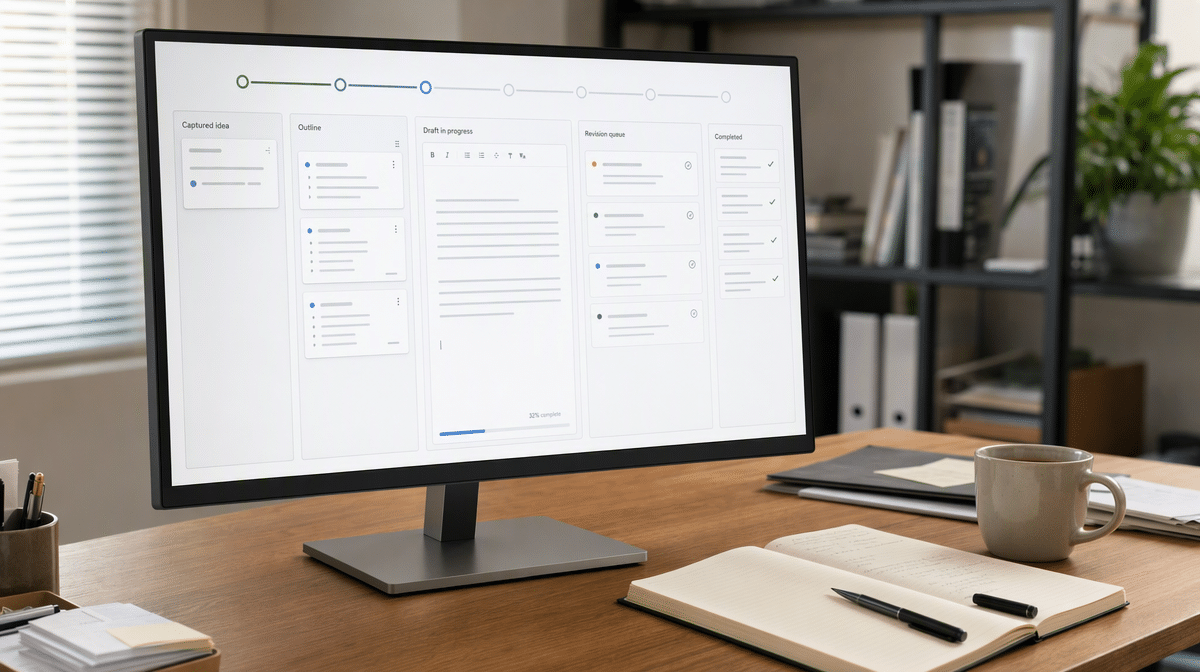
Once you have created an idea list, let the best ideas grow and mature into a workable structure. Let the central idea dance around your head briefly, then pen down the structure in one sentence and several supporting points. In addition, engage in research that will further build the idea, identify what the reader needs to know first, and arrange the material in a useful order. When ideas are built and developed before drafting, writing becomes faster.
Do not try to read everything ever written about the topic. Instead, define the question, gather credible sources, and stop when the outline can support the promised answer. Purdue OWL’s outlining guidance recommends brainstorming, grouping related ideas, ordering the material, and labeling the main and supporting headings. Those steps turn a loose idea into a draftable plan.
Do Not Overthink Your Writing Ideas
When you overthink ideas, you take longer at the idea development stage and leave less time for the draft. For instance, if you have a two-hour window where you are not distracted, overthinking your ideas could eat into the time set aside for actual writing. When developing ideas, avoid overthinking and move to the draft once the answer is clear.
Use a stopping rule. Once you can state the reader’s question, your answer, and the main supporting points, begin writing. Mark facts that still require confirmation rather than reopening the entire outline. The first draft is where the idea becomes concrete enough to evaluate.
Write to Meet Your Target
One thing that happens even to experienced writers is that they overwrite. Start with the scope and reader need, then use the assigned word limit as a boundary. If you are instructed to write a thousand words, plan the number of sections and the approximate space each one deserves before you begin.
Relevant writing is more important than padding the count. Make each paragraph advance the answer, remove repeated explanations, and keep examples connected to the reader’s problem. The target should control the scope, not encourage thin or incomplete work.

Time Yourself and Work to Meet That Time
Set a timeframe in which you want to finish the article’s first draft. A visible timer creates a boundary and gives you a consistent practice measure. Switch your phone off, close unrelated applications, and begin from the prepared outline.
For instance, if your word limit is a thousand words, you might set an initial drafting window of 45 minutes. Strive to meet that timeframe while keeping the article coherent. With consistent practice, you may finish sooner. Adjust the next target from your own results rather than treating 45 minutes as a universal standard.
Edit After Writing
When you are in the writing zone, avoid editing as much as you can. Throw yourself into the article and only edit when you are done writing. Editing while you are writing cuts into your writing flow and would prevent you from attaining a proper writing speed.
Drafting and editing are different jobs. Drafting creates the complete argument; revision checks structure, evidence, and reader value; editing improves sentences; proofreading catches final errors. Separating those passes helps you move quickly without pretending that the first version is ready to publish.
How Do You Turn a Fast Draft Into a Finished Article?
To write an article in minutes, create time to write, capture your writing ideas, let your ideas build, do not overthink your ideas, begin writing, stick to your allotted time, and edit after writing. Follow the writing plan with consistency long enough to measure what helps and what interrupts you. As the process becomes familiar, you can write faster and decide whether a new timeframe is appropriate.
Writing faster should never mean producing unreadable or inadequate articles. A fast draft becomes a finished article only after you check the facts, strengthen the structure, revise unclear passages, and proofread the final copy. You do not have to sacrifice quality for speed when each stage has a clear purpose.
Frequently Asked Questions
What Does It Mean to Write an Article in Minutes?
It means using preparation, protected time, and a clear outline to produce a focused working draft quickly. Research, revision, and proofreading still remain part of the complete writing process.
How Can You Write Articles Faster Without Sacrificing Quality?
Prepare the idea and structure before the timer starts, remove distractions, and separate drafting from revision. Speed comes from fewer interruptions and decisions, not from skipping quality checks.
Should You Edit While You Write?
Avoid detailed editing during the first draft because it interrupts flow. Finish the draft, then revise the structure, edit the sentences, and proofread the final copy in separate passes.
How Long Should It Take to Draft 1,000 Words?
There is no universal time. A 45-minute drafting window can be a useful starting example when the topic and outline are ready, but the right target depends on the research, complexity, and writer.
What Distractions Should You Remove Before Writing?
Silence the phone, close social media and chat, pause email alerts, and keep only the research needed for the draft open. Resolve practical needs before beginning the protected writing block.