Why COVID Will Change Business Communication

Businesses moved desks home almost overnight during COVID-19. Employees cleared space for workstations and replaced dated equipment such as computer monitors, headsets, mice, and keyboards, but the harder change was learning how to keep decisions, customer conversations, and team relationships moving without the office.
That emergency response became an operating model. Customer expectations did not go down, so companies learned to combine virtual meetings, written updates, phone calls, and shared tools across remote and in-house processes. Business communication changed quickly, and many of those changes are now permanent.
What Is Post-Pandemic Business Communication?
Post-pandemic business communication is the coordinated use of in-person, virtual, written, and asynchronous channels to keep work moving across locations. It includes the tools people use, the expectations attached to each channel, and the practices that help employees, managers, and customers understand what happens next.
During the early COVID-19 pandemic, face-to-face interaction became minimal or disappeared. When in-person interactions had to occur, masks and fear of disease transmission made familiar communication more difficult. Businesses still had to keep people engaged, address customer queries, support call center services, increase sales, and reach new markets.
Customer Communication Had to Continue
Businesses had to move fast to outsource essential services, expand internal support, or rely more heavily on call center services. The aim was not simply to keep phone lines open. Companies needed to continue engaging customers, increasing sales, and conquering new markets while their offices and normal service processes were disrupted.
Some customers could use a standard support channel, while others required a more personalized communication approach. That demand made businesses spend more time on video, phone, chat, and email. It also showed that customer communication can’t be separated from operations: a fast answer has little value if the company cannot complete the action behind it.
That pressure pushed people toward Skype, Zoom, Google Hangouts, and other platforms. The product names changed over time: Skype retired, Hangouts gave way to Google Chat and Google Meet, and Microsoft Teams became a common successor. The durable lesson is not loyalty to one tool. It is the ability to choose a channel that fits the message and move between channels seamlessly.
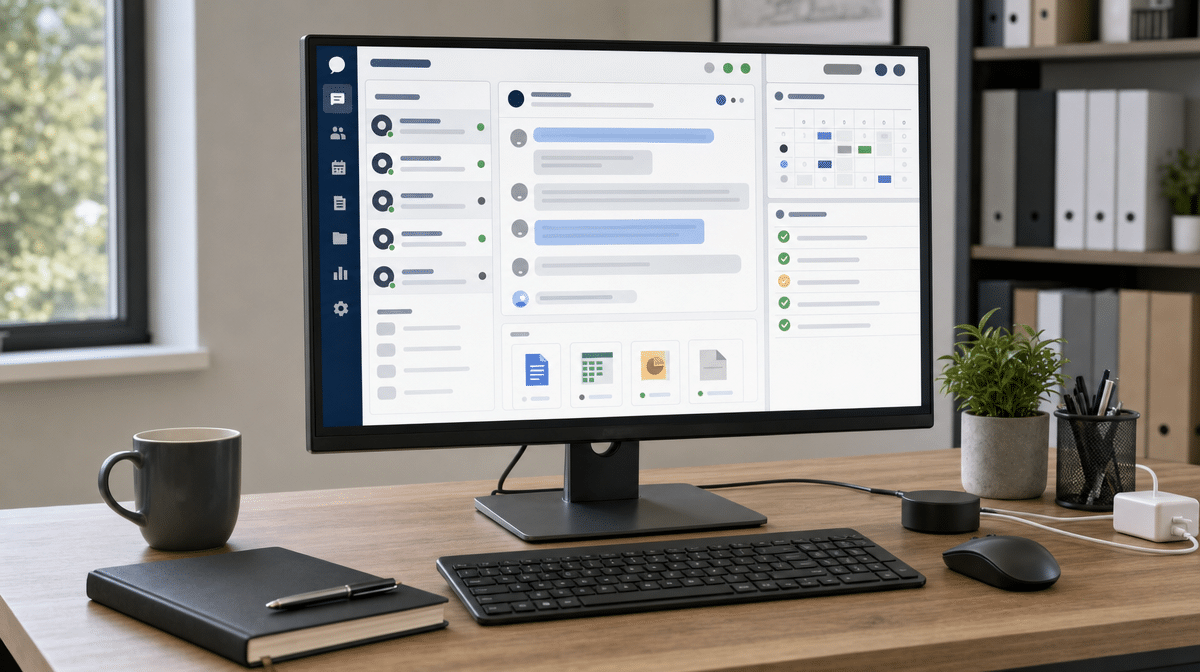
The result is a broader communication system that connects office conversations, video meetings, documents, messages, and customer contact. A company may use more technology than it did before COVID-19, but effective communication still depends on clarity, context, timing, and follow-through.
Communication Became a Continuity Capability
The pandemic made communication part of business continuity rather than a routine office function. Employees needed current information about safety, staffing, schedules, customer commitments, and changes in work-related processes. Managers needed a way to confirm understanding when they could not rely on a shared workplace or an informal conversation.
That experience created a long-term transformation. Businesses learned that a communication plan must work when offices shut down, staff move between locations, or normal interactions become difficult. The same capability now helps companies respond to weather events, technology failures, travel disruption, and other changes that affect where and how people work.
Why Did COVID-19 Permanently Change Business Communication?
COVID-19 forced businesses to test communication practices at a scale that would have taken years under normal conditions. Some emergency habits faded, but the most useful ones became part of routine operations because they reduced cost, supported remote work, accelerated learning, and made customer and employee communication easier to continue across distance.
Virtual Communication Can Be Cost-Effective
Before the pandemic, people routinely took trips for meetings and spent money on airfare, Uber rides, meals, and accommodation. Companies are now less likely to fly staff to a different city for a two-hour meeting when the same decision can be handled virtually. That does not mean every in-person meeting should disappear, but travel now has to justify the time and cost it creates.
Virtual communication technology can also improve remote team productivity when people have a clear agenda, the right participants, and an agreed decision process. The savings come from better channel choice, not from scheduling every conversation as a video call.
Remote and Hybrid Work Became Long-Term Strategies
Working from home began as a short-term response for many organizations. Early Gartner forecasts pointed toward a permanent shift, but later workforce data show the change through actual behavior rather than intentions. The U.S. Bureau of Labor Statistics reported that 35.5 million people teleworked in the first quarter of 2024, representing 22.9 percent of people at work.
Businesses now develop long-term strategies to run successful operations with remote employees, support hybrid teams, and connect remote project managers with office-based colleagues. Remote work is not available or appropriate for every job, but it remains a durable part of business communication.
Frequent Communication Became a Management Practice
As the pandemic continued, people developed a culture of checking on one another. Frequent internal business communication helped managers confirm that people were safe, understood priorities, and could maintain their work. It also helped teams and customers develop closer ties during a period of uncertainty.
That culture is worth keeping, but communication volume is not the same as communication quality. Endless notifications, unnecessary status meetings, and repeated questions can interrupt work. The goal is purposeful contact that gives people the information, support, and response they need.
Better Meeting Design Can Increase Efficiency
Virtual meetings can be productive and brief because travel and room logistics disappear. They can also contain distractions, make social cues harder to read, and slow consensus when too many people join without a clear purpose. Increased efficiency is possible, but it isn’t automatic.
A four-week study of 471 employees who shifted to remote work during COVID-19 found that daily communication quality and supervisor-set communication expectations were associated with performance outcomes. Clear expected response times, a stated meeting objective, and a documented decision can matter more than adding another conference call.

E-Learning Expanded Knowledge Exchange
Online skills training moved to the center of many business learning programs. E-learning did not eliminate in-person seminars and workshops, but it made training easier to repeat, update, and deliver across locations. Employees could learn new skills online without waiting for everyone to be in one room.
Remote learning also required employees to communicate virtually, send large files containing work-related information, exchange opinions and documents, and ask questions in writing. The same practices that support training now help companies preserve operational knowledge when people work different schedules or in different places.
Unified Platforms Changed Channel Choice
Employees once moved among conference calls, SMS, chats, emails, and phone calls as separate communication channels. Service providers often pioneered in one or two channels. Today, integrated platforms may combine meetings, messaging, files, calendars, tasks, and customer conversations in one environment.
Innovations in communication led to the development of the unified platform predicted during the pandemic, but that platform created a new problem: channel sprawl inside the system. People still need rules for what belongs in chat, what requires an email, when to call, where to store a document, and how to record a final decision. Without those rules, a seamless platform can still produce fragmented communication.
How Can Businesses Improve Hybrid Communication?
Businesses should treat communication as an operating system rather than a collection of apps. The objective is to help information reach the right people at the right time, while protecting attention and giving employees a reliable place to find decisions, documents, and next steps.
Define the Purpose of Each Channel
Assign a clear purpose to the main channels. Chat may handle quick coordination, email may handle external or formal communication, video may handle discussion, and a shared system may hold approved documents and action items. People shouldn’t have to search five places to find one decision.
Set Response Expectations
Clarify when a message is urgent, how quickly each channel should receive a response, and when an employee can work without interruption. A customer query, a safety issue, and a routine project update should not all create the same notification pattern.
Document Decisions and Ownership
End meetings and important conversations with a written record of the decision, owner, due date, and next step. This practice connects remote and in-house processes because people can act on the same information even if they did not attend the same meeting.
Balance Synchronous and Asynchronous Work
Use live meetings for ambiguity, debate, relationship-building, and decisions that benefit from immediate interaction. Use written updates, recorded training, and shared documents when people need time to think or when schedules do not overlap. The balance reduces unnecessary meetings without removing human contact.
Teams should also reconsider recurring meetings instead of assuming that every existing conference call must continue. A brief written update may replace a status meeting, while a complex decision may require a longer face-to-face engagement. Matching the format to the work reduces distractions and helps people reach consensus without treating speed as the only measure of effectiveness.
Support Learning and Relationships
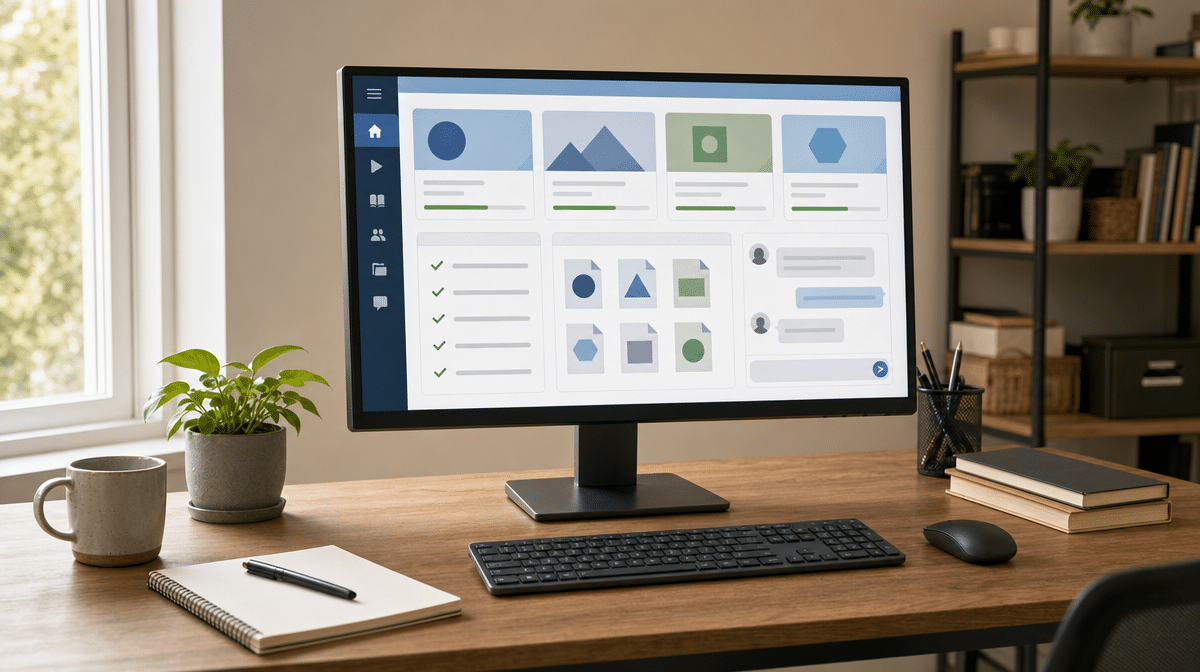
Keep online skills training easy to find, allow people to ask questions, and make space for the informal communication that helps colleagues trust one another. Efficient systems still need a human layer. Teams work better when people know where to get help and when managers continue checking on one another without turning every check-in into surveillance.
COVID-19 made businesses evaluate the cost and design of communication closely. The lasting advantage is not simply having more people work remotely or learning new skills online. It is building a deliberate system that helps a company maximize departmental communication, serve customers, and keep work moving across locations.
Companies that keep testing their channels, meeting habits, response times, and documentation practices can adapt without losing the human relationships that make communication useful. The tools will continue to change, but the need for clear expectations and dependable follow-through will remain.
Frequently Asked Questions
What Changed Business Communication During COVID-19?
COVID-19 forced businesses to replace many face-to-face interactions with video, chat, email, phone, and shared digital systems. It also made companies define how employees, managers, and customers would exchange information across locations.
Why Did Remote and Hybrid Work Persist After COVID-19?
Remote and hybrid work persisted because many jobs can be coordinated across distance, employees and employers invested in the necessary tools, and virtual communication can reduce travel and expand access to people and skills.
Are Virtual Meetings More Cost-Effective Than In-Person Meetings?
Virtual meetings can reduce airfare, transportation, meals, accommodation, and travel time. In-person meetings remain valuable when relationship-building, sensitive discussion, or hands-on work justifies the additional cost.
How Can Businesses Prevent Communication Overload?
Businesses can define the purpose of each channel, set response expectations, reduce unnecessary meetings, protect focus time, and keep final decisions in one reliable system. More messages do not automatically create better communication.
What Communication Practices Should Companies Keep?
Companies should keep deliberate check-ins, clear written decisions, flexible channel choice, accessible online learning, and a balance of synchronous and asynchronous work. These practices support employees and customers without depending on one platform.