What Does Quality Planning Mean?

A product can meet its specification and still disappoint the customer if the order is entered incorrectly, the wrong item is shipped, or delivery arrives late. Quality planning connects the customer’s requirements to the controls, procedures, measurements, and day-to-day discipline needed to deliver the right product or service consistently.
Think of it as planning for the perfect order while preparing for everything that could prevent it. The goal is not to find a perfect customer or pretend that defects never occur. It is to define the product experience you intend to create, identify the risks that could disrupt it, and build a practical system for making the desired result repeatable.
What Is Quality Planning?
What does quality planning mean in practice? Quality planning is how an organization plans to make a product, deliver a service, or complete a process correctly. It translates customer needs and business objectives into requirements, responsibilities, resources, methods, controls, and measures. The result is a clear description of what good work looks like and how people will produce it consistently.
A quality plan may be one document or a connected set of policies, procedures, work instructions, forms, specifications, and control plans. The American Society for Quality’s definition of a quality plan includes the standards, practices, resources, specifications, responsibilities, and sequence of activities needed for a particular product, service, project, or contract. The exact form varies, but the planning logic remains the same.
Defining the Product Experience
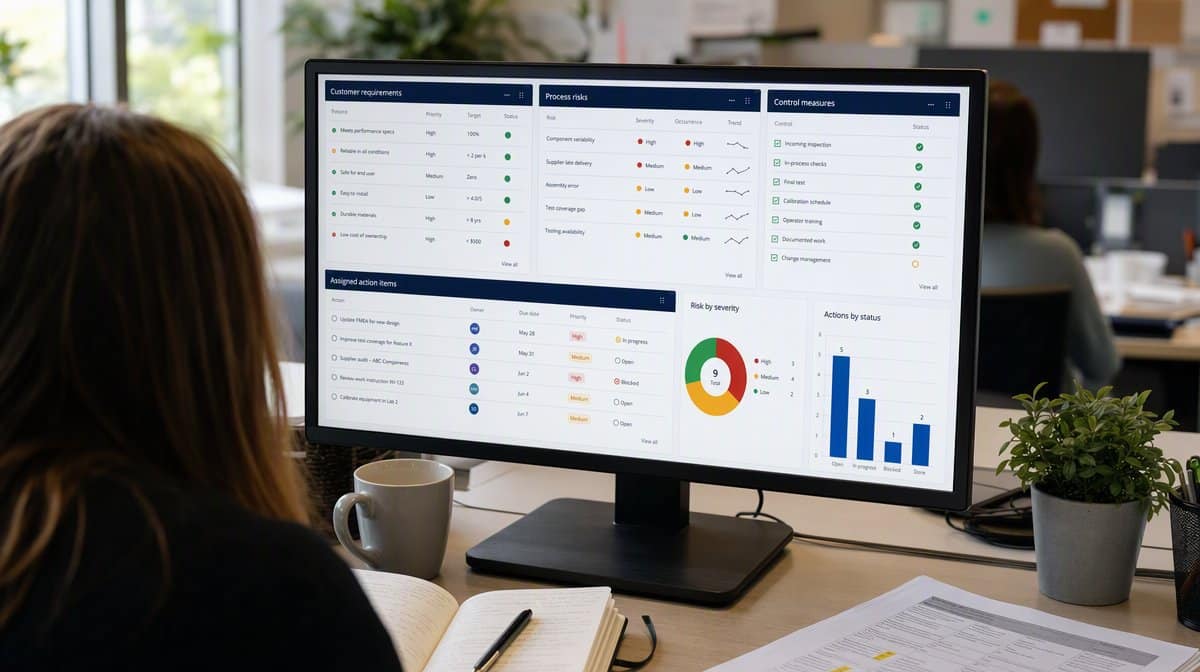
Careful thought starts with the voice of the customer. What does the customer expect to receive? Which characteristics are essential? What would make the experience reliable, useful, safe, timely, and easy? Those questions turn a broad promise of quality into requirements that employees can understand and verify.
The definition must cover more than the finished product. It includes order accuracy, responsiveness, packaging, delivery, documentation, service recovery, and any other transaction steps that shape the customer’s experience. It also identifies resource needs, competence requirements, equipment, measuring devices, suppliers, and information needed to do the work.
This is where the elusive zero defects goal becomes useful. Zero defects is not a promise that nobody will ever make a mistake. It is a planning discipline that treats every known failure as something to prevent, detect, or correct before it reaches the customer.
Planning the Product Experience
Planning means deciding how the requirements will be met. Quality controls may include policies, procedures, standard work instructions, forms, metrics, dashboards, inspection points, approval limits, sampling plans, and escalation rules. Each control should address a real requirement or a credible way the process could fail.
Good planning also assigns an owner. A control with no responsible person is only an intention. The plan should show who performs the work, who approves exceptions, what evidence is retained, what equipment or data is required, and what happens when a result falls outside the acceptable range.
Planning should happen early enough to influence the design of the work. If quality controls are added only after production begins, teams may have to inspect defects out of a process that was never capable of meeting the requirement consistently. Early planning lets the organization choose capable suppliers, confirm equipment and measuring devices, test process assumptions, prepare work instructions, and decide how records will demonstrate conformity. It also creates a practical basis for reviewing changes before they affect customers.
The ISO explanation of ISO 9001 connects quality management with customer focus, a process approach, risk-based thinking, documented information, monitoring, measurement, and continual improvement. These ideas help keep quality planning tied to the way work actually moves through the organization instead of treating quality as a final inspection.
Realizing the Product Experience
Execution means developing the discipline necessary to follow the quality controls that took so much time to design. For most organizations, this is the hardest part. People need the current document version, the right tools, enough time, appropriate training, and a clear reason to follow the process even when shortcuts look faster.
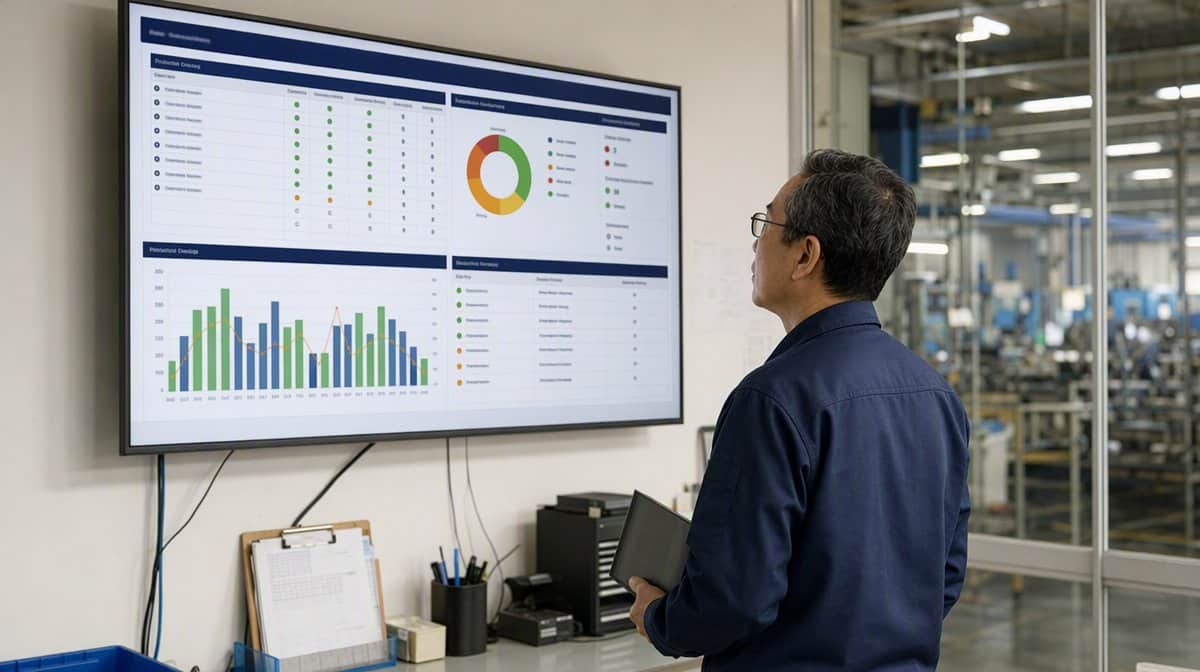
Did you plan for everything that can go wrong? Probably not. Internal auditing, corrective action, and root cause analysis provide the feedback needed to adjust to the dynamics of the real world. Metrics and measuring devices show whether the process is stable. Dashboards make important trends visible. Countermeasures address the causes of failure rather than hiding the symptoms.
A quality plan therefore operates as a living control system. Teams execute the plan, compare results with requirements, investigate gaps, and improve the controls. Consistent use matters because the relationship between consistency and quality becomes visible only across repeated cycles of work.
How Does Quality Planning Support Policies and Procedures?
To make a perfect part or deliver a reliable service, you first plan the sequence of production or service steps. A process flow diagram or process map defines the total number of steps, their order, their inputs and outputs, and the handoffs between people or departments.
In production, the sequence might include sales order acceptance, purchasing raw materials, receiving raw materials, cutting, welding, assembly, painting, inspection, and delivery. In a service process, the sequence might include intake, review, approval, delivery, and follow-up. The details differ, but the planning question is identical: what must happen at each step for the final experience to meet requirements?

Map the Revenue Process
Consider a simple five-step Revenue Process for a distributor. Sales accepts the order. Inventory pulls the product. Shipping delivers it. Accounts Receivable collects the receivable. Treasury deposits the cash and reconciles the account to complete the cycle.
Once each step is defined, the team can analyze requirements, determine what can go wrong, and develop controls and countermeasures. The process map exposes handoffs that might otherwise remain invisible. It also gives policy and procedure writers a shared operational model instead of a blank page.
Identify Process Failures
Example process failures include:
- Sales can enter the order incorrectly, enter it late, fail to clarify part details, or fail to ask about up-selling or cross-selling items.
- Inventory can pull the wrong part, pull damaged parts, fill only part of the order, or discover that the part is back-ordered.
- Distribution or shipping can package the order incorrectly, damage it in transit, or select the wrong carrier or shipping class.
- Accounts Receivable can fail to collect, collect late, or apply receipts to the wrong account.
- Treasury can fail to deposit receipts promptly, deposit them to the wrong account, or fail to reconcile the account.
There is also the opportunity for fraud, embezzlement, theft, and other forms of waste. Quality planning does not assume that every risk can be eliminated. It makes the risks visible, prioritizes them, and assigns controls that reduce the likelihood or impact of failure.
Write Policies and Procedures From the Plan
Writing policies and procedures becomes easier after the desired product experience and the likely failure modes are defined. Without that preparation, people stare at a blank page and ask, “What do you want me to write?” With the process and risks in view, the answer is much more concrete.
A policy establishes the rule, objective, or decision boundary. A procedure explains the sequence, responsibilities, records, and controls that put the policy into practice. Work instructions provide additional detail for tasks that require precision. Forms capture consistent evidence. Together, these documents translate the quality plan into day-to-day behavior.
Starting with policy and procedure templates can make the work faster because many processes are similar in design yet vary in the details. The template provides the structure, but the organization must still adapt requirements, responsibilities, risks, controls, records, and measures to its actual product experience.
How Do You Put a Quality Plan Into Practice?
A quality plan creates value only when people can use it. Implementation begins by confirming that the plan has an owner, every critical process has a responsible role, employees can access approved procedures, and the required resources are available. Leaders should explain the customer and business consequence behind each important control so the work does not become a box-checking exercise.
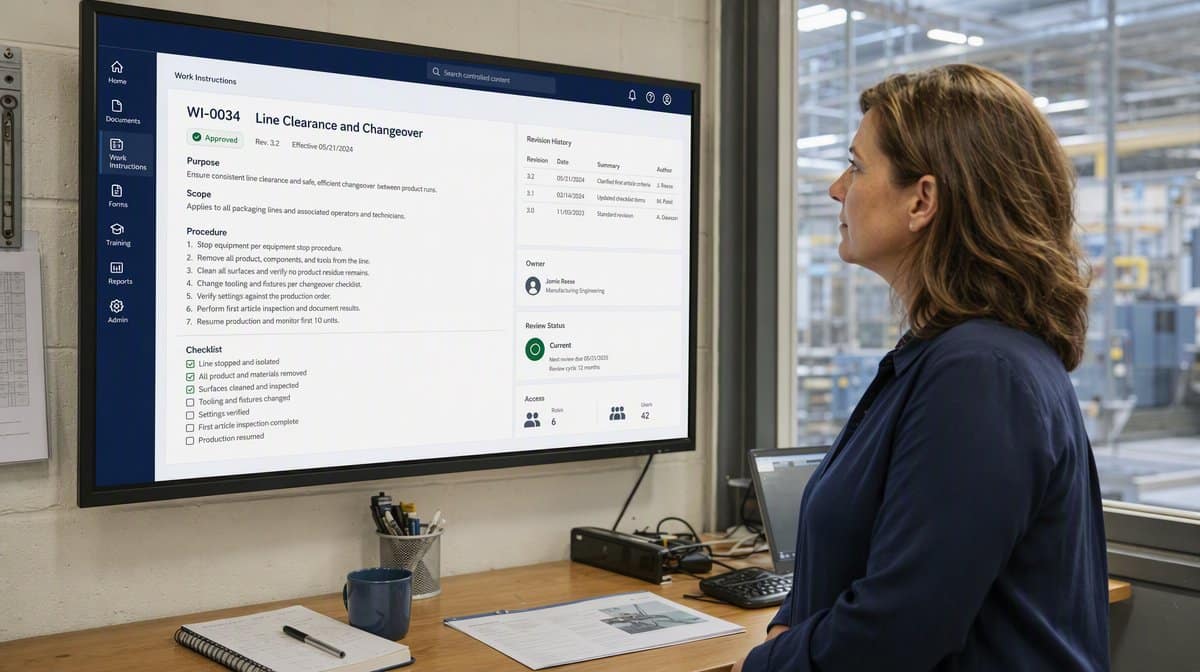
Control Documents and Records
Employees need to know which document version is current, who approved it, when it should be reviewed, and which records prove that the procedure was followed. Access controls should make approved procedures easy to use while preventing unauthorized changes. Obsolete versions should not compete with the current instructions at the point of work.
Build Competence and Discipline
Training should cover both the steps and the reasons behind them. Employees need practice with exceptions, escalation, and the measuring devices or forms they will use. Supervisors reinforce the plan by observing work, coaching gaps, and removing obstacles that encourage shortcuts.
Measure the Process
Select a small set of metrics tied to customer requirements and process risks. Order accuracy, first-pass yield, defect rate, rework, on-time delivery, customer complaints, and corrective-action closure time are examples. The right measures depend on the process, but each one should help a responsible person make a decision.
Audit and Improve the Controls
Internal auditing tests whether the planned system is being followed and whether it is effective. When a failure occurs, corrective action contains the immediate problem. Root cause analysis then asks why the system allowed the failure and what change will prevent recurrence. That change may affect a procedure, training method, supplier requirement, approval rule, form, metric, or dashboard.
Nobody is perfect, and no quality plan anticipates every event. A strong quality planning system keeps the intended product experience visible, prepares for known risks, and creates a disciplined way to learn from results. Your policies and procedures are critical controls in realizing that experience because they connect careful thought and planning with consistent execution every day.
Frequently Asked Questions
What Is Quality Planning?
Quality planning translates customer and business requirements into responsibilities, resources, processes, controls, documents, and measures. It defines how an organization will consistently produce a product, deliver a service, or complete a process correctly.
Why Is the Voice of the Customer Important in Quality Planning?
The voice of the customer identifies the characteristics and service expectations that the quality plan must protect. Without it, teams may control internal activities carefully while still delivering an experience the customer considers inadequate.
What Should a Quality Plan Include?
A quality plan should identify objectives, requirements, process steps, responsibilities, resources, controls, records, measures, and responses to nonconforming results. Its detail should match the risks and complexity of the product, service, project, or contract.
How Do Process Maps Support Quality Planning?
Process maps show the sequence of work, inputs, outputs, responsibilities, and handoffs. They help teams identify where failures can occur and where policies, procedures, inspections, approvals, or other countermeasures are needed.
How Do Policies and Procedures Support Quality Planning?
Policies establish rules and objectives, while procedures define the sequence, responsibilities, controls, and records used to meet them. Together with work instructions and forms, they turn the quality plan into consistent day-to-day practice.