Why is Outsourcing Good for a Business?

In today’s competitive world of business, it is vital for companies to find ways to catch up with their bigger competitors. Outsourcing is one of those ways that can help reduce the cost of expansion. It has the potential of not only reducing cost in wages paid, but also allowing companies to focus on the activities that are critical to growing their brand, plus gain faster and better services. Why is outsourcing good for a business?
Ask yourself a harder question first: which part of your operation would you hand to a stranger tomorrow? The honest answer is almost always the work that is already written down, repeatable, and measurable. Everything else is where outsourcing relationships quietly fall apart. What follows is the case for outsourcing, where the offshore and nearshore models actually differ, why Europe keeps winning nearshore work, and what you need in place before the first contract is signed.
What Is Business Outsourcing?
Business outsourcing is the practice of contracting a defined function or process to an external provider rather than staffing and running it in-house. The provider owns the delivery of the work. The client keeps ownership of the outcome, the quality standard, and the customer relationship. Software development, customer support, accounting, payroll, digital marketing, and web design are the functions that move outside most often.
One distinction is worth settling before any contract is signed. Outsourced work can be delivered by a vendor company or by individual contractors, and how those people are classified is not a matter of preference. The IRS test for independent contractor versus employee status weighs behavioral control, financial control, and the nature of the relationship, and it applies no matter what the engagement is called on paper.
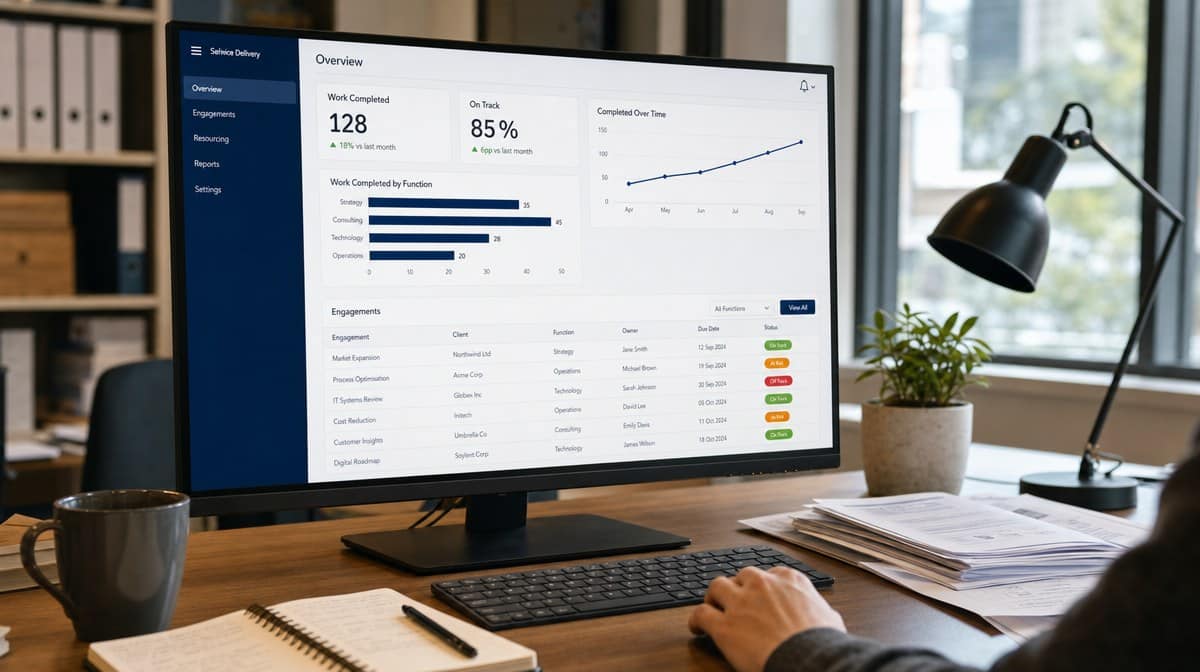
Handing a process to a provider does not make it disappear from your operation. It changes who performs the steps and how you measure them, which is why the strongest candidates for outsourcing are the ones you can already describe in writing.
Is Outsourcing Good for a Business?
When it comes to outsourcing, a lot of people associate it with Asia, mainly with India and China, since those two are the foremost destinations that made up the most common choices throughout the last decades. Due to the low costs and the availability of labor, it is hard for European outsourcing destinations to compete with India or China on price alone, although Europe has risen lately as the new nearshore outsourcing destination.
Outsourcing is good for a business when three conditions hold at once. The work is well defined enough that someone outside your walls can perform it to standard. The cost of managing the provider is lower than the cost of running the function yourself. And the capability you are buying is genuinely better than the one you could build in the same period. Miss any of the three and outsourcing turns into coordination overhead wearing a cost-saving costume.
Difference Between Offshore and Nearshore Outsourcing
Offshore outsourcing destinations are characterized by long distance, big time differences, cultural difficulties, big travel and infrastructure costs, and reduced labor costs, since the labor force is very cheap compared to the nearshore outsourcing destinations.
Nearshore outsourcing is still on the rise. More and more companies realize that the advantages can help make their businesses move forward. Wages in Europe are higher than in BRICS countries (Brazil, Russia, India, China, and South Africa), but the goal of outsourcing is not to find the cheapest supplier. The whole goal of outsourcing services is to find and provide expert services that have the very best price to quality ratio.
Europe as a great nearshore provider is characterized by better quality, similar time zones that allow real-time communication, and geographical proximity that makes face-to-face meetings easier to manage.
What Should You Outsource First?
Start with the processes that are already documented, high in volume, and low in judgment. Payroll runs, invoice processing, tier-one support tickets, and routine content production all fit that shape. They have a clear input, a clear output, and a standard that can be checked without a meeting.
Keep the work that defines your competitive position, the work that requires context nobody has written down yet, and anything where a mistake reaches a customer before it reaches you. Those functions belong inside until the procedure exists. If the process cannot be described in a page, the problem is not the provider you have not hired yet.
Reasons Why You Should Outsource to Europe
Europe is the oldest continent in the world, and the depth behind that history is part of why outsourcing in Europe is a clever thing to do. You get different cultures, and the weather is good too. Europe is one of the best places to outsource. Countries like Germany, Poland, Macedonia, Kosovo, the Czech Republic, and Switzerland are just some of the best countries to outsource to. The population is young and very engaged in work. Here are some more reasons why outsourcing in Europe is a smart decision.
Population Speaks English
Companies can find good technical skills and lingual capabilities in addition to English and the clear accent that comes with it. Most of the youth in Europe are fluent in English, and that creates a very easy way to communicate with them. Given how young the European workforce skews, this is a real bonus when you outsource in Europe. It also removes the hidden tax that poor written communication puts on every handoff.
Low Cost
If you decide to outsource in Eastern European countries like Macedonia, Kosovo, or Croatia, you would be paying a lot less than you would be paying if you outsourced in Germany. Kosovo in particular is a country where costs stay low and the people are hardworking. The cost you would spend there is low, starting from renting, then food, then tickets.
Compare total cost rather than hourly rate. Onboarding time, management attention, rework, and travel all land on your side of the ledger, and a rate that looks cheap on a quote can end up expensive once those are counted.
Different Cultures
Living in Europe you get to explore so many cultures because there are a lot of different ethnicities. Europeans are also characterized by a very rapid cultural and intellectual adaptation with people of different backgrounds. This is a great advantage when it comes to working with different companies abroad.
Young Population
Europe is one of the oldest continents, however, this does not mean that the population is old as well. Europe has a large population of youth. Because of the number of young people in employment, and the political involvement from the UK, USA, and Germany, countries of Europe such as Kosovo have a heavy focus on education and training. Most trained employees will have certifications, and they are genuinely skilled in programming, digital marketing, and web design.
Convenient Time Zones
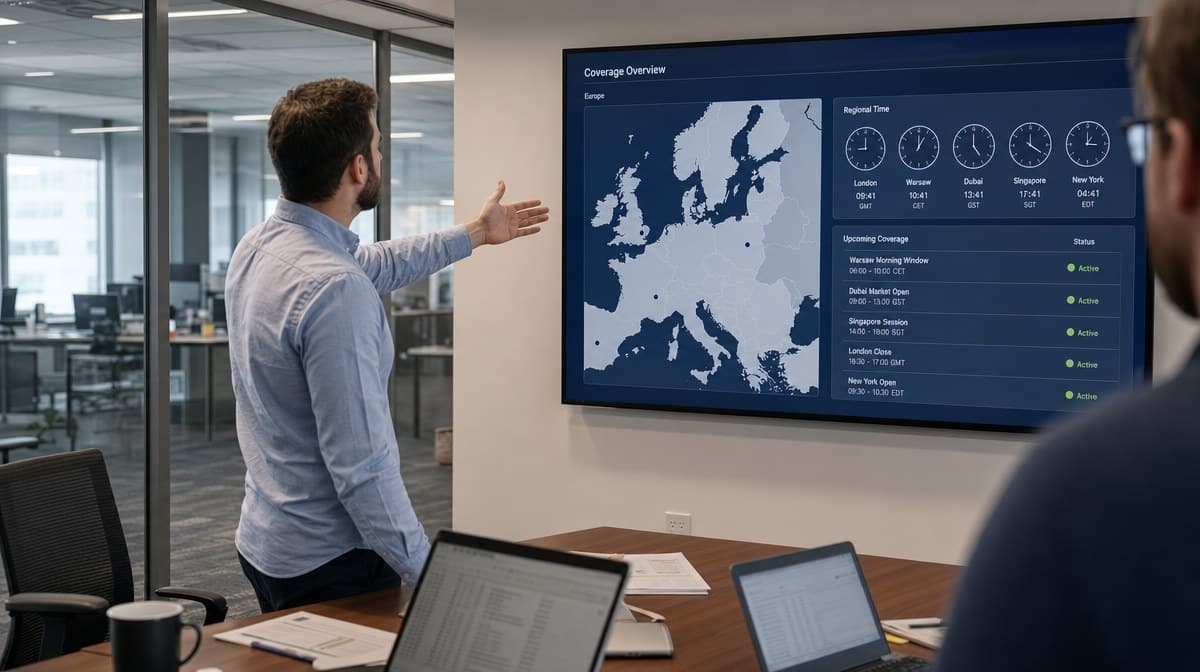
The time zone in Europe is different than in America, which is a very useful thing to have in outsourcing. When the workday is about to be over in America, it is about to begin in Europe. However, in order to actually take advantage of this, the communication management needs to be on point. A follow-the-sun handoff only works when the outgoing team leaves a written status the incoming team can act on without asking.
Greater Flexibility
When you have an outsourcing company you will have more time and space to focus on your own tasks. It allows you to be more flexible, and it gives you the time to research your work with clients and partners and find new ways to build and grow your business. With outsourcing you will have more time on your hands, and you can also finish the other tasks that actually need to be done.
How Do You Manage an Outsourcing Partner?
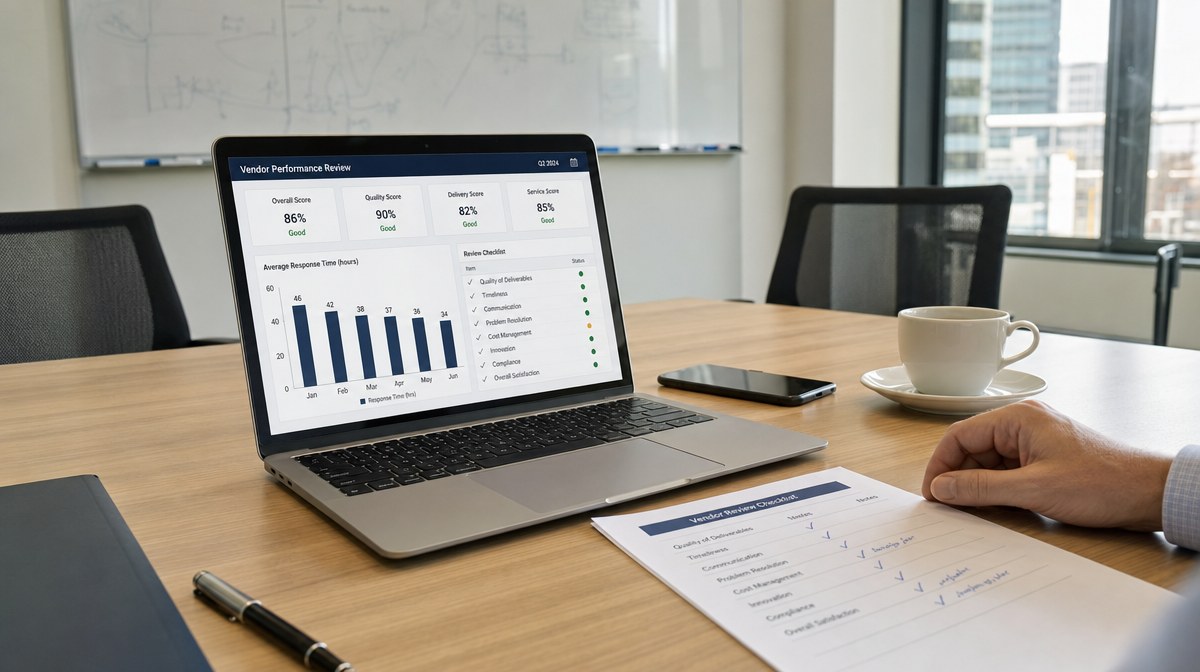
The contract is not the control. What governs an outsourcing relationship day to day is a documented scope, an agreed definition of done, service levels with numbers attached, a named escalation path, and a review cadence that happens whether or not anything is on fire. Write those down before the provider starts, not after the first missed deadline.
Review performance against the same measures every period so the conversation stays about evidence rather than impressions. Response time, first-pass quality, rework rate, and adherence to the documented procedure are enough to start. If a metric never changes anyone’s behavior, drop it and pick a better one.
Data security deserves its own clause. An outsourcing partner usually needs access to customer records, financial data, or internal systems, and their controls become your exposure. The FTC guidance on building security into business practices sets out the baseline expectations for vendor access, and it is a reasonable standard to hold a provider to before granting a single credential.
Outsourcing Is Good for a Business
In today’s business it is no longer impossible to connect to the other side of the world, and one of the big reasons is outsourcing. Outsourcing is easier and cheaper than it has ever been. There is no doubt that if you want business growth, both globally and internationally, outsourcing is one of the fastest routes to it.
The companies that get the most out of it are not the ones that found the cheapest provider. They are the ones that wrote the process down before they handed it over, so the standard travelled with the work.
Frequently Asked Questions
What Is Outsourcing in Business?
Outsourcing is the practice of contracting a defined business function or process to an external provider instead of running it in-house. The provider owns the delivery of the work, and the client keeps ownership of the outcome, the standard, and the customer.
Why Is Outsourcing Good for a Business?
Outsourcing reduces the cost of wages and infrastructure, gives a company access to expert services it could not justify hiring for, and frees internal attention for the activities that are critical to growing the brand. Those gains only arrive when the work handed over is already documented and measurable.
What Is the Difference Between Offshore and Nearshore Outsourcing?
Offshore outsourcing means long distances, large time differences, cultural difficulties, and higher travel and infrastructure costs, offset by much lower labor costs. Nearshore outsourcing accepts higher wages in exchange for similar time zones, real-time communication, and geographical proximity that makes face-to-face meetings easier to manage.
Why Do Companies Outsource to Europe?
Europe has risen as a nearshore destination because of better quality, convenient time zones, widespread fluency in English, and a young population with strong education and training. Countries such as Germany, Poland, Macedonia, Kosovo, Croatia, the Czech Republic, and Switzerland all serve different points on the cost and skill curve.
What Should a Company Do Before It Outsources a Process?
Document the process end to end, define what a finished unit of work looks like, and agree the service levels, escalation path, and review cadence before the first contract is signed. A provider cannot deliver a standard that the client has never written down.