What Technical Skills Do Great Managers Need?

Great managers still need the people skills that get the most attention: prioritizing, organizing, communicating, measuring performance, and developing employees. But the work of management also runs through spreadsheets, budgets, project plans, process maps, compliance requirements, and technology decisions.
That is why the technical side of management matters. A manager does not need to be the deepest specialist in every field, but a great manager needs enough technical skill to ask better questions, judge the evidence, allocate resources, and explain decisions clearly.
Technical Skills That Great Managers Need
We know that great managers prioritize, are organized, communicate well, measure performance, and develop their people. We have found that a good boss communicates with their boss and employees, prevents problems, matches employee skills to jobs, deals with bad employees, shows respect, coaches, is consistent, and rewards good work.
But those are mostly soft skills focused on the people side. Great managers are balanced between good people skills and good technical skills. The exact mix depends on the role, but the following technical skills help managers turn intent into reliable work.
MS-Office Skills
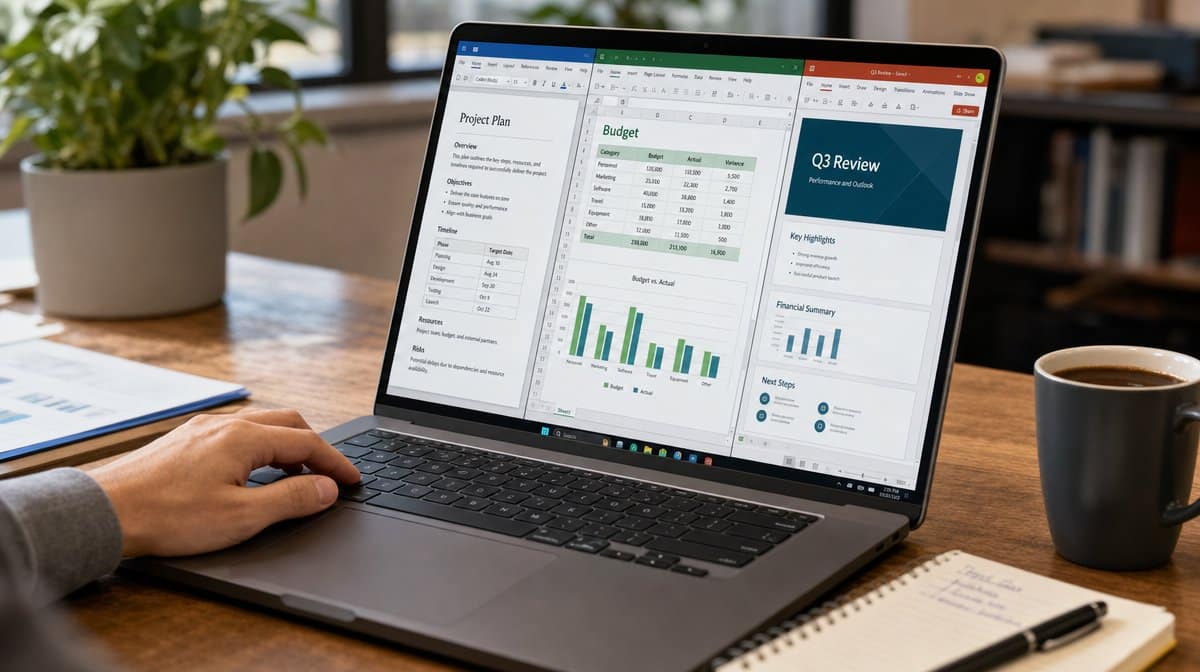
Word, Excel, and PowerPoint are more important than ever, even as the tool family is now often described as Microsoft 365 apps. A manager may or may not have an assistant. Either way, a manager today often writes business plans, project descriptions, requests for people, hardware requests, budget notes, and updates for other departments. Microsoft Word remains a common tool for clear business writing.
Cost justifications, budgets, and performance measures are easiest to explain in a spreadsheet like Microsoft Excel. At some point, most managers also need to present a project, a performance review, or a change proposal using Microsoft PowerPoint. A manager does not need to be a template designer, but a great manager should be able to build a clean document, check formulas, read a worksheet, and communicate the point of a slide deck.
Data Analysis Skills
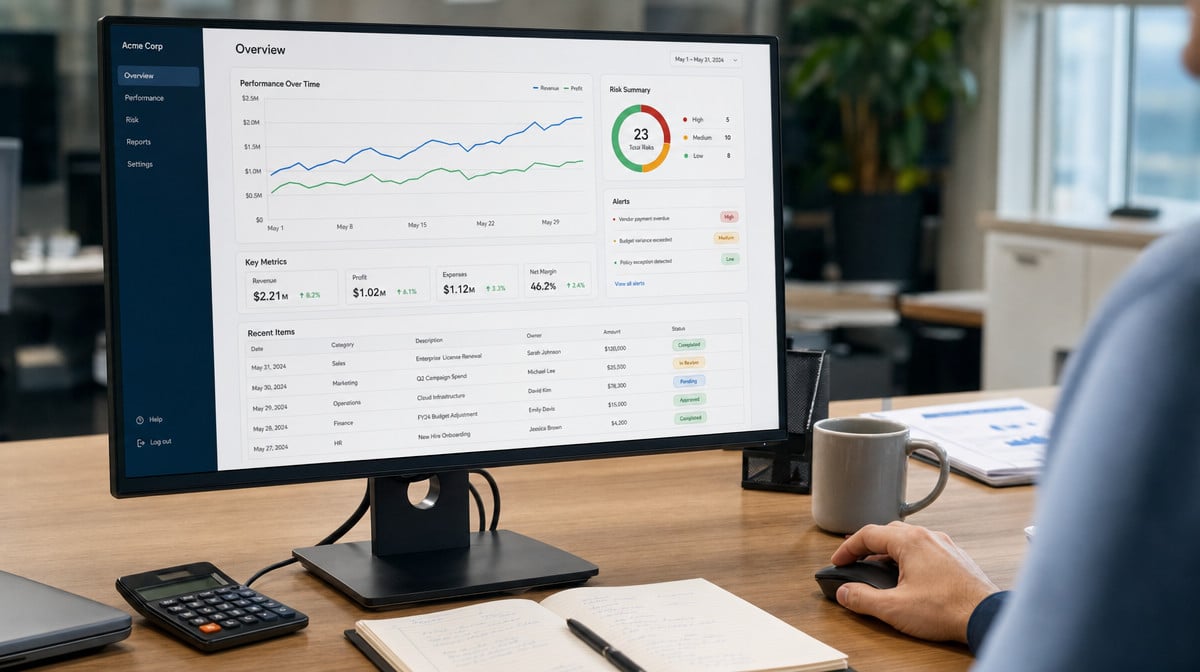
Trends, risks, and data significance are central to management decision making. A great manager cannot measure performance well unless they understand basic data analytics and the work of gaining knowledge from information. It all starts with trends. How do you know if you have a trend? That question leads directly to data significance, sample size, confidence, and reliability.
Every decision in management is a risk requiring risk analysis. Managers review performance data, financial statements, budgets, resources, processes, communication, and compliance-related work, which is why technical fluency supports the broader management role described in the O*NET summary for general and operations managers. A great manager needs enough analysis skill to make more good decisions than bad ones over time.
Basic Statistics Skills
Mean, mode, median, standard deviation, and probability are critical to decision making. All processes have variation, and statistics is the math behind studying and understanding variation. Without those basics, managers can mistake normal movement for a problem or miss a real signal because the numbers are noisy.
To understand business processes, one really needs to understand descriptive statistics like averages and deviations from the average. A manager does not need to be a statistics expert, but a great manager should understand something about acceptable and unacceptable process variation in order to make better decisions over time.
Financial Management Skills
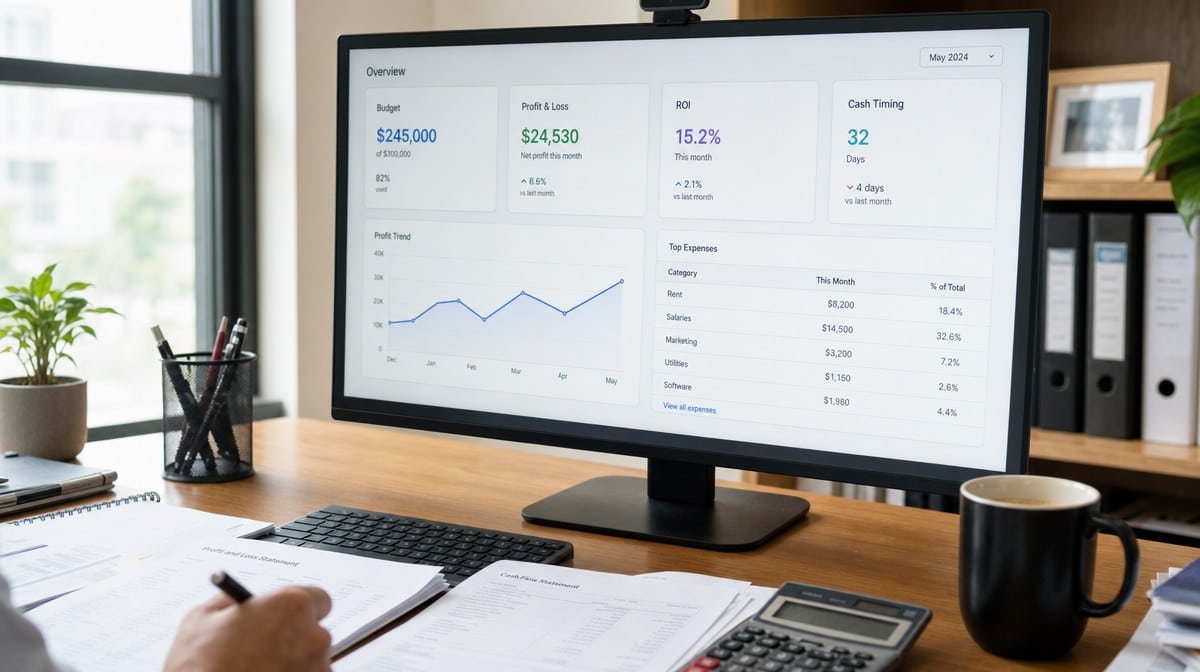
Budget, profit/loss, return on investment (ROI), and the time value of money are basic management language. A great manager has to understand something about money and how to put money to use because one critical result of any management job is to allocate resources. Money can become people, machines, inventory, software, training, or time.
Managers make decisions that put people on tasks, which is an allocation of resources. Once a resource is allocated, the manager has to measure performance and understand ROI or return on the allocated resource. That means reading budgets, recognizing profit/loss implications, and knowing when a proposal needs more financial statement analysis before the decision moves forward.
Project Management Skills
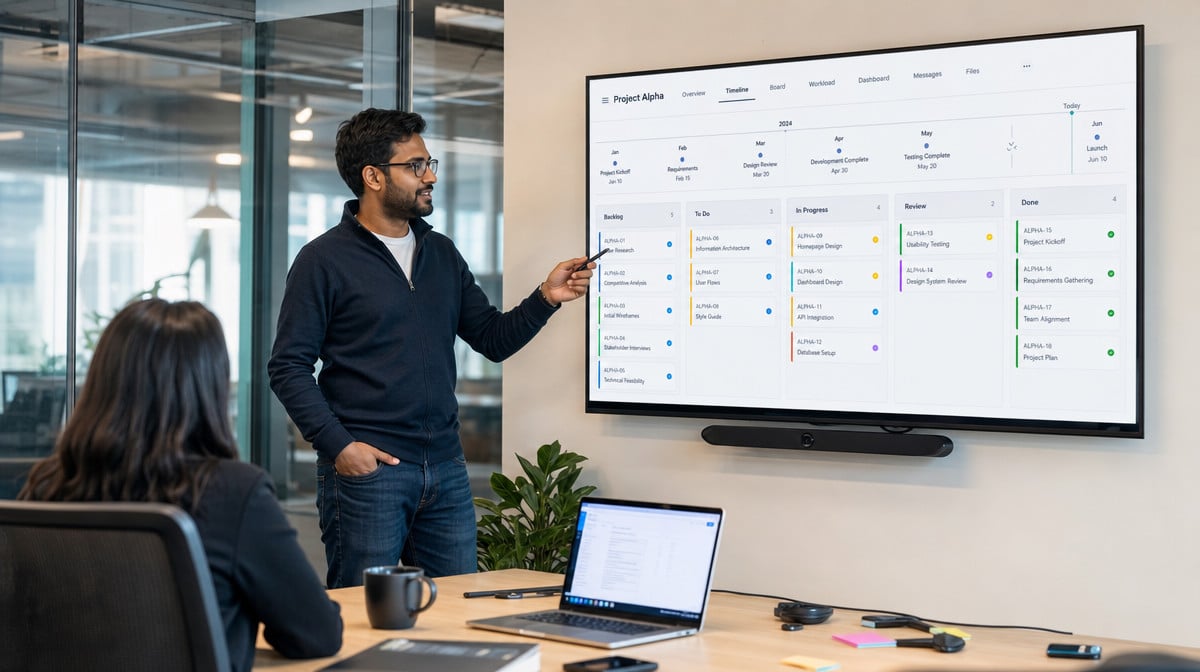
Tasks, milestones, work breakdown, and critical path methods are everyday management tools. What management job is not a project management job? Managers allocate resources, usually people, to get a task done by a certain time and at an acceptable cost.
Project management connects scope, schedule, budget, risk, communication, and quality. The Project Management Institute describes project management as the use of knowledge, skills, tools, and techniques to deliver value through projects. A great manager applies that discipline by clarifying the work, assigning owners, tracking milestones, and making sure the team completes tasks on time, on budget, and correctly.
Business Process Management (BPM) Skills
The process approach, Plan, Do, Check, Act, is about process. In business, everything is a process. So a great manager is also a great business process manager. Understanding PDCA, or Plan, Do, Check, Act, is at the heart of process management.
Great managers plan the work, work the plan, follow up on the work, and make adjustments to ensure results. BPM skill also means seeing where a handoff fails, where a procedure is unclear, where rework is hiding, and where quality tools for process improvement can help the team learn from variation instead of blaming people for a broken process.
Computer Technology Skills
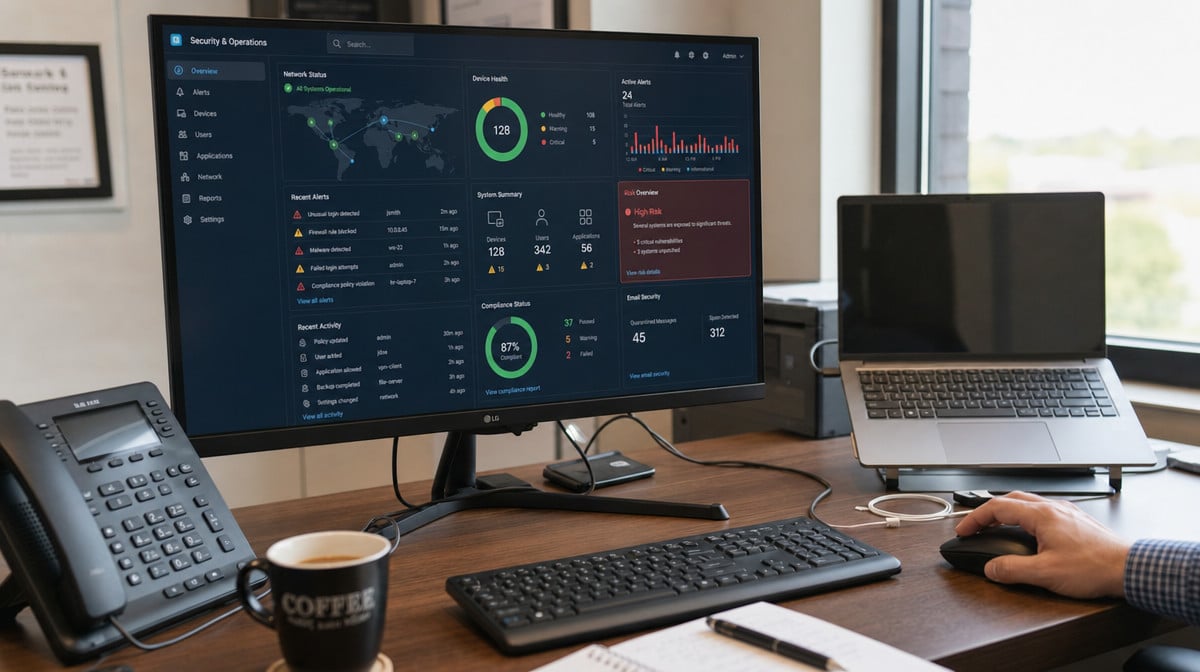
Internet, malware, Wi-Fi, mobile, messaging, and email are basic work infrastructure. How can any manager work today and not use a computer? Great managers search the Internet for competition, benchmarks, and innovative ideas. Great managers are technology savvy enough not to download malware or review sensitive data on public Wi-Fi, sometimes written WiFi, using mobile devices.
The current version of this skill also includes collaboration tools, cloud file sharing, basic cybersecurity habits, and judgment about what data belongs in which system. The FTC small business cybersecurity guidance reinforces why managers need practical security awareness, not just technical staff. It is a connected world, and great managers are connected to it, not afraid of it.
Communications Skills
Presentation, writing, speaking, facilitating, and leading require technical discipline as well as confidence. Managers cannot communicate well unless they understand effective communication. Presenting written plans at project kickoffs, management reviews, customer events, or process-improvement meetings is part of the job.
A manager has to be able to communicate ideas to be a great manager. That means writing with structure, choosing the right chart, explaining the assumption behind a number, facilitating a meeting, and using tools like PowerPoint without letting the tool hide the point. Communication is a soft skill in tone, but it is a technical skill in preparation.
Compliance Skills
HR, IT, standards, laws, and regulations apply to every business in some form. Compliance is a fact of life in any business. Organizations have to comply with Human Resource (HR) laws, IT security requirements, OSHA expectations, financial regulations, and an alphabet soup of standards such as ISO, ITIL 4, GAAP, or IFRS.
Great managers do not need to be attorneys, auditors, accountants, and security engineers at the same time. They do need to understand what compliance means for their job, when to escalate, and how to build work that can stand up to review. That practical understanding is part of knowing why compliance is important before a problem becomes expensive.
Social Skills
Etiquette, networking, dress, appearance, business cards, and remembering names/dates may sound like soft skills, but there is also a technical side. Is etiquette a technical skill? As a manager, you may have to go out to events with customers, travel to far destinations, and interact with different types of people. Great managers understand how to dress appropriately, eat correctly, follow business protocol, and stay comfortable in unfamiliar situations.
The technical side of social skills includes preparation: checking the agenda, reviewing attendee names, carrying the right materials, knowing the dress code, and following up without losing details. Skills like dress codes, etiquette, and networking can all be learned just as easily as MS-Word.

What Technical Skills are Needed by Great Managers?
- MS-Office: Word, Excel, PowerPoint
- Analysis: Trends, Risks, significance, reliability
- Basic Statistics: Mean, Mode, Median, Standard Deviation, Probability
- Financial Management: Budget, Profit/Loss, Return On Investment (ROI), Time Value of Money
- Project Management: Tasks, Milestones, Work Breakdown, Critical Path
- Business Process Management: Plan, Do, Check, Act
- Computers: Internet, Malware, Wi-Fi, Mobile, Messaging, Email
- Communications: Presentation, Writing, Speaking, Facilitating, Leading
- Compliance: HR, IT, Standards, Laws, Regulations that apply to your business
- Social: Etiquette, Networking, Dress, Appearance, business cards, remembering names/dates
Do you have what it takes to become a great manager? It is more than being good at the soft management skills of working well with others. It also takes a good handle on core technical skills. Great managers are balanced between good people skills and good technical skills, and that balance shows up in the quality of their decisions.
Frequently Asked Questions
What Technical Skills Do Great Managers Need?
Great managers need technical skills in office productivity, data analysis, basic statistics, financial management, project management, business process management, computer technology, communication, compliance, and business etiquette.
Why Do Managers Need Data Analysis Skills?
Managers need data analysis skills so they can recognize trends, judge risk, understand significance, and make better decisions from performance information instead of relying only on opinion.
How Much Statistics Does a Manager Need to Know?
A manager does not need to be a statistician, but should understand mean, mode, median, standard deviation, probability, and process variation well enough to interpret business results.
Why Is Project Management a Technical Skill for Managers?
Project management is a technical skill because managers must define tasks, assign resources, track milestones, manage critical paths, and deliver work on time and on budget.
Are Social Skills Technical Skills for Managers?
Social skills have a technical side when they involve business protocol, dress codes, networking preparation, remembering names and dates, and following up professionally after events.