How to Cope with Stress During the COVID-19 Pandemic?

The COVID-19 pandemic changed where people worked, how secure they felt, and how quickly managers had to respond. For a Human Resource Manager, learning how to cope with stress during the COVID-19 pandemic was tied directly to employee health, job insecurity, disrupted routines, and productivity.
It was not easy to reduce employee stress and boost productivity while social distancing, lockdowns, business closures, and remote work affected the same workforce at once. The five stress management solutions below preserve the practical actions that mattered then and remain useful during later periods of uncertainty: protect workplace safety, maintain social connection, share information regularly, allow flexibility, and communicate sick leave clearly.
What Is Employee Stress During the COVID-19 Pandemic?
Employee stress during the COVID-19 pandemic was the physical and emotional strain workers experienced as health risks, financial issues, job insecurity, caregiving demands, isolation, and sudden workplace changes accumulated. People were limited to their homes, day-to-day lives were disrupted, and many employees had to balance work with online classes, family care, and concern about catching the virus. These pressures affected employers and employees equally, although the experience was different for every person.
The onset of COVID-19 brought parts of the world to a stop, disrupted the global economy, and forced businesses of every type and size to make difficult decisions. Some organizations closed temporarily or permanently. Others used unpaid furloughs, laid off their workforce, or moved into remote workplaces with little preparation. Financial uncertainty, fear of illness, social distancing, limited access to services, and concerns about social injustice could compound one another.
Stress management in that environment was not just a request for employees to become more resilient. It required managers to examine the conditions creating anxiety and to remove or reduce workplace stressors wherever possible. That principle is reflected in OSHA’s guidance for reducing workplace stress, which emphasizes empathy, workplace and leave flexibility, support resources, and practical adjustments to the work itself.
Which Employee Stress Management Solutions Help During a Crisis?
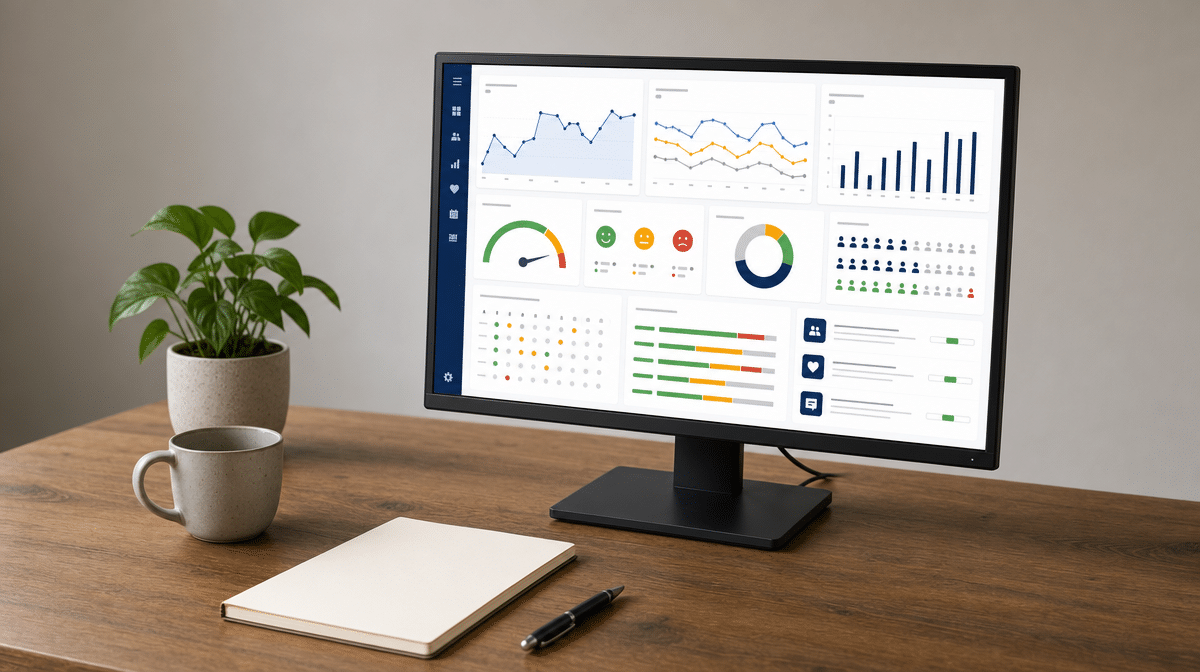
A crisis does not create one source of anxiety, so one employee benefit or motivational message will not solve it. Managers need a coordinated response that addresses protection, connection, communication, work-life harmony, and confidence in company policies. The U.S. Surgeon General’s framework for workplace mental health and well-being organizes employer action around many of these same needs, including protection from harm, connection and community, work-life harmony, mattering at work, and worker voice.
The following five employee stress management solutions keep the original sequence because each action supports the next. Employees need to understand the safety plan before they can feel secure. They need connection when remote work separates colleagues. They need reliable information to reduce uncertainty, flexibility to manage changed routines, and a sick leave policy that does not punish responsible health decisions.
Assign an owner and review point to every action. A safety plan without a responsible manager becomes a document on a shelf, while a virtual event without employee input can become another obligation. Communication, scheduling, and leave changes should also identify who answers questions, where the current policy lives, and how the organization will evaluate whether the change reduces anxiety. This turns supportive intent into a repeatable management process.
Workplace Safety Is Important
Without a workforce, a business or organization stands nowhere. During the pandemic, workplace protection encouraged employees to return to the office when on-site work was necessary and helped them feel that their health was being taken seriously. The Occupational Safety and Health Administration emphasized a layered approach that could include engineering controls, administrative controls, work-practice controls, and personal protective equipment when conditions required them.
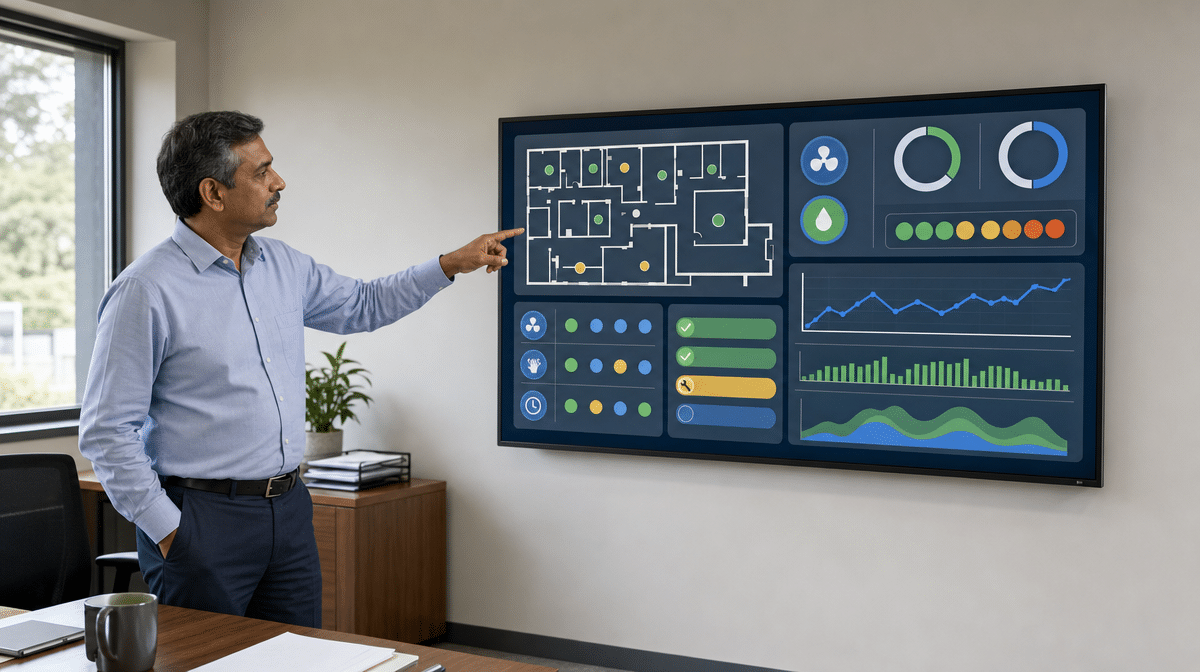
Specific controls should match the actual hazard, the work environment, and current public-health guidance. A manager might review ventilation, cleaning practices, occupancy, protective equipment for risk-specific tasks, reporting procedures, and how an employee can stay home when ill. Blanket rules copied from another workplace are less useful than a safety plan designed around the needs of the organization.
Above all, share the safety measures with employees and explain why each one exists. Invite questions, collect suggestions, assign responsibility for corrective actions, and update the plan when conditions change. Employees are more likely to feel safe at the workplace when leaders make protection visible, respond to concerns, and apply the same rules consistently. That feeling of safety can reduce stress and anxiety without promising that every risk has disappeared.
Set Up Virtual Social Events
Many organizations turned into remote workplaces almost overnight. As an HR manager, you can reduce employees’ anxiety by arranging optional virtual social events that help workers stay connected. Even when remote team members work from different geographic locations, a short informal gathering can give people room to talk about what is happening on their end and ask one another for assistance.
A pizza party or a cup of tea from the comfort of home can work when participation is voluntary and the event does not become another required meeting. Keep the format simple, vary the schedule, and ask employees what kind of connection they value. Some teams will prefer a brief check-in, while others may enjoy a game, shared meal, or interest group.
This can also be a time to learn more about colleagues and develop a more inclusive work environment. Employees come from different cultural and religious backgrounds, so invite people to share traditions on their own terms. A team might recognize Diwali, share Christmas carols on a video call, or create space for other celebrations chosen by employees. Inclusion grows through curiosity and respect, not through assigning a culture or practice to one person.
Share Information Regularly
Another thing that can reduce employee stress is reliable business information technology. Employees are anxious when they do not know whether company policies, schedules, staffing plans, or job expectations have changed. Keep employees in the loop and be honest about what the organization knows, what it does not know, and when the next update will arrive.
Use accessible tools of communication, such as current video-meeting and collaboration platforms, but do not rely on meetings alone. Share required information in a written document even when a manager has already announced it during a call. A written format is a formal way to disseminate information, it is tangible, and it gives employees extra time to process and respond.
Establish a communication cadence and one dependable location for current policies. State who owns each update, identify what changed, and make it easy for employees to ask questions privately or in a group. Managers should also close the loop when workers raise concerns. Silence after collecting feedback can increase uncertainty, while a clear answer or an honest explanation of a pending decision builds trust.
Be Flexible And Understanding
The working pattern of most employees changed after the onset of coronavirus. Kids were taking online classes, household and caregiving responsibilities expanded, and familiar options for recreation or support disappeared. Many people were doing more themselves, which meant busier schedules than usual and less separation between work and home.
Employers can help employees destress by allowing flexible work schedules when the role permits them. Ask employees to share their preferences, collect their suggestions, and clarify which hours or outcomes are truly fixed. Flexibility can include adjusted start times, focused work blocks, predictable meeting windows, temporary workload changes, or time for caregiving and appointments.
Understand that it may take longer for some employees to make decisions about how to adjust than others. Managers should define priorities, remove work that is no longer necessary, and evaluate performance against agreed outcomes rather than visible online activity. Flexibility is most effective when expectations remain clear and employees do not fear that using an approved arrangement will damage their standing.
Adjust The Sick Leave Policy
The pandemic forced many organizations to review paid and unpaid leave, compensated leaves of absence, attendance rules, and what happened when an employee needed to stay away from work. A fixed quarantine period copied from an old notice is not a durable policy. Medical guidance changes, legal requirements vary, and different roles carry different operational risks.
Design the sick leave policy around the needs of the organization and applicable federal, state, local, contractual, and company requirements. Coordinate it with the broader business policy framework. Define how employees report an absence, what documentation may be required, who receives health information, how privacy is protected, and how managers keep essential work covered.
Communicate the sick leave policy clearly so employees understand their options and know their jobs will be safe when they follow the policy and get sick. The policy should support personal safety and the safety of others without encouraging people to hide symptoms or work while ill. Review it periodically, remove obsolete medical thresholds, and give managers a consistent process for questions, exceptions, and return-to-work decisions.
How Do Employee Stress Management Solutions Help?
COVID-19 was a challenging time for individuals and businesses. It caused stress for employers and employees, and the factors driving anxiety often changed faster than policies could be written. The five stress management solutions above work together because they address the conditions surrounding the employee rather than treating anxiety as a personal failure.
A clear safety plan supports protection, virtual social events support connection, regular information reduces uncertainty, flexible work schedules make changing responsibilities manageable, and a clear sick leave policy protects responsible decisions. These practices can help lead a team through disruption, reduce employee stress, and support productivity without erasing the different pressures each worker may face.
Frequently Asked Questions
What Is Employee Stress During the COVID-19 Pandemic?
Employee stress during the COVID-19 pandemic was the strain created by health risks, isolation, job insecurity, financial issues, caregiving demands, and sudden changes to work. Employers could reduce some of that strain by improving workplace conditions and communicating clearly.
How Can Employers Reduce Employee Anxiety During a Crisis?
Employers can reduce anxiety by addressing physical and psychological safety, maintaining social connection, sharing reliable information, offering reasonable flexibility, and communicating leave options. Managers should also ask employees which workplace conditions are creating stress and act on practical suggestions.
Why Does Regular Communication Reduce Workplace Stress?
Regular communication reduces uncertainty about policies, schedules, staffing, and job expectations. Written follow-up gives employees a tangible reference and extra time to process information and respond.
How Should Employers Approach Flexible Work and Sick Leave?
Employers should define which outcomes and hours are fixed, ask workers about their needs, and apply approved arrangements consistently. Sick leave policies should match applicable requirements, protect privacy, explain reporting procedures, and avoid obsolete medical thresholds.
Which Stress Management Practices Remain Useful After the Pandemic?
Safety planning, trusted communication, inclusive social connection, flexible scheduling, employee voice, and clear leave policies remain useful during many forms of workplace disruption. These practices help managers address organizational stressors before asking employees to absorb them alone.