
Bizmanualz blog
Practical tips and tricks for starting a business with a simple plan, controlled startup costs, early customer feedback, clean records, and realistic cash runway.
Read more
Here is a look at the role digitization played in helping businesses survive during COVID-19, from remote work and virtual meetings to e-commerce, automation, and customer communication.
Read more
Workflow Diagrams and Rendered Process Maps translate abstract UML symbols of squares and diamonds into graphical images, which tell a more complete story.
Read more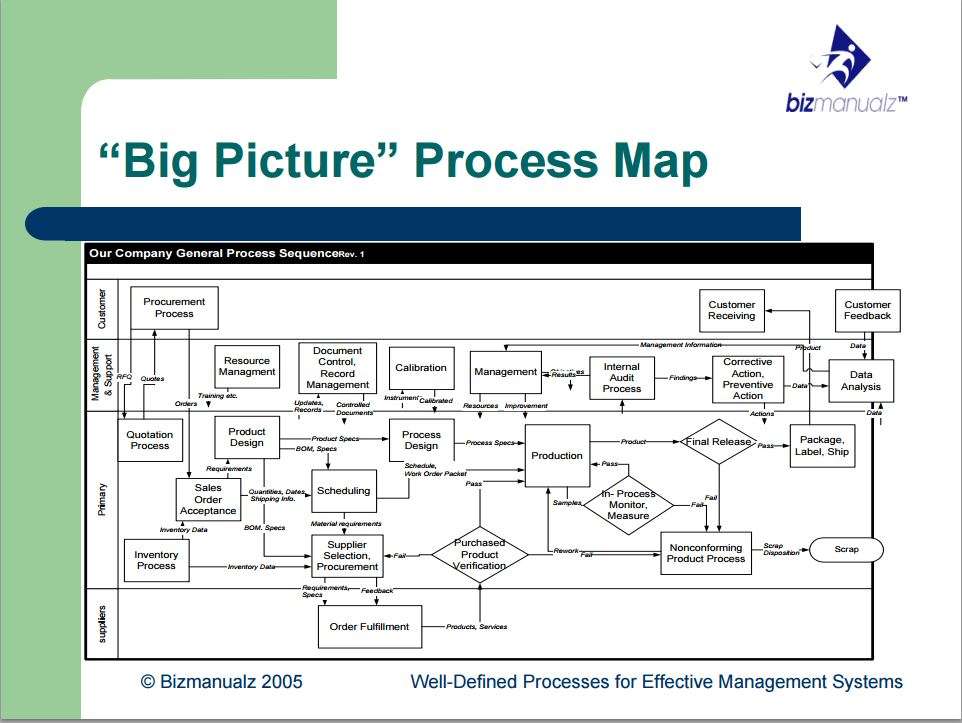
Do you fear the words “I am here to audit you”? You should not if you have a well run system for internal audits.
Read more
Inventory procedures can release working capital by improving forecasting, purchasing, cycle counts, supplier delivery, and inventory turns.
Read more
Bootstrapping a startup can protect ownership and control, but it also concentrates cash-flow risk on the founder. Review the practical pros and cons before choosing a funding path.
Read more
Remote work has turned company data into something employees carry across home networks, personal spaces, cloud folders, mobile devices, and video calls. That is why the practical question is no longer whether remote work is unusual. It is whether your business has clear rules employees can follow to protect your data while working remotely. Cybersecurity […]
Read more
Startup costs look manageable when they live in your head. They become more stubborn when you put them into a budget, attach dates, and decide which bills must be paid before the first customer pays you. The way to estimate startup costs is to separate one-time launch costs from recurring operating costs, price each item […]
Read more
Working capital is the money it takes to run your business. Learn how to manage accounts receivable, accounts payable, and inventory to keep cash available.
Read more
By adopting policies and procedures, organizations can reduce process variability, improve control, and decide whether a process is ballistic, controlled, or adaptive.
Read more
Best Manual Deals
-
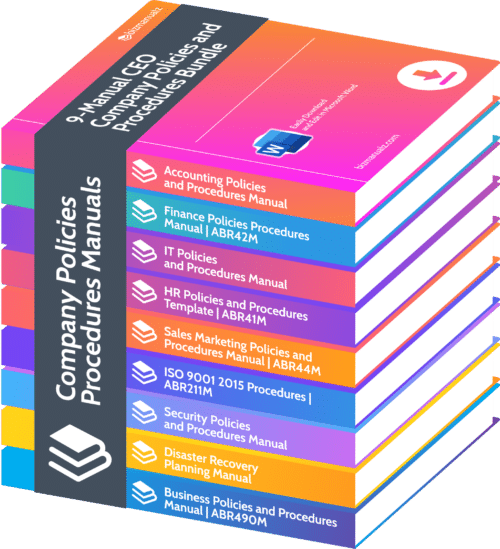 9-Manual CEO Company Policies and Procedures Bundle | Save 45%
$ 2,495.00
-
 ISO 22000 Food Safety Procedures Manual | ABR213M
Original price was: $ 395.00.$ 197.00Current price is: $ 197.00.
-
 ISO 22000 Seguridad de los Alimentos Procedimientos | ABR219M
Original price was: $ 395.00.$ 195.00Current price is: $ 195.00.
-
 ISO 9001 Quality Manual | ABR211MPM
$ 49.99
Business Manuals
-
 Finance Policies Procedures Manual | ABR42M
$ 495.00
-
 Accounting Policies and Procedures Manual | ABR31M
$ 495.00
-
 IT Policies and Procedures Template Manual | ABR34M Information Security Policy Manual
$ 495.00
-
 HR Policies and Procedures | ABR41M Employees Policy Examples
$ 495.00
-
 Sales Marketing Policies and Procedures Manual | ABR44M
$ 495.00
-
 ISO 9001 2015 Procedures | ABR211M
$ 495.00
-
 Security Policies and Procedures Manual | ABR32M
$ 395.00
-
 Disaster Recovery Planning Manual | ABR33M
$ 395.00
-
 AS9100 Quality Procedures Manual Rev D | ABR217M Aerospace QMS
$ 395.00
-
ISO 22000 Food Safety Procedures Manual | ABR213M
Original price was: $ 395.00.$ 197.00Current price is: $ 197.00.
-
9-Manual CEO Company Policies and Procedures Bundle | Save 45%
$ 2,495.00
-
ISO 22000 Food Safety Procedures Manual | ABR213M
Original price was: $ 395.00.$ 197.00Current price is: $ 197.00.
-
ISO 22000 Seguridad de los Alimentos Procedimientos | ABR219M
Original price was: $ 395.00.$ 195.00Current price is: $ 195.00.
-
ISO 9001 Quality Manual | ABR211MPM
$ 49.99
-
 How to Prevent Workplace Violence Manual | ABR32MWV
Original price was: $ 49.99.$ 19.99Current price is: $ 19.99.