What Should Employees Do to Help Prevent the Spread of COVID-19?
For a stretch of time, the pandemic changed almost everything about the way we work. The zoom calls, the missing handshakes, the half-empty desks, all of it became normal faster than anyone expected. Even now that offices are busy again, the question of how to keep a safe workplace has not really gone away, and it is worth asking what employees should actually do to help prevent the spread of COVID-19 and other seasonal viruses at work.
None of this calls for a dramatic overhaul. A handful of short-term measures, paired with a few longer-term solutions, is usually enough to keep people safe while keeping employees motivated and collaborative. The four ideas below are practical, mostly low cost, and easy to adjust as public health guidelines continue to shift.
What Does a Safe Workplace After COVID-19 Look Like?
A safe workplace after COVID-19 is one where the everyday flow of the office is designed to reduce close contact, not simply cleaned more often. It pairs physical changes, such as more space between desks and better airflow, with clear habits that everyone follows. Think of it as an extension of any solid workplace safety procedure: the goal is fewer chances for the virus to move from person to person while people still get their jobs done. Simple, consistent habits are what help prevent spread from one worker to the next, and they matter as much as any single piece of equipment. Good social distancing, sensible limits on how many people share a room, and smoother foot traffic all keep the situation under better control.
Use Indoor Mapping Solutions to Monitor Social Distancing
Indoor mapping solutions have been gaining traction for a few years, and the pandemic gave many people a fresh reason to see their benefit. A handy indoor mapping tool like MappedIn lets you see the real-time use and capacity of your workplace, which makes it far easier to monitor social distancing. You can also use indoor mapping software to watch how employees actually move through a space and study that behavior, then make changes that improve the flow of foot traffic and help people keep their distance.
These mapping systems are close cousins of business process mapping, except they map physical space instead of tasks. They also let staff book rooms for impromptu meetings or book desks in certain areas, so arrangements can be handled digitally, without unnecessary contact. The less foot traffic that has to cross the same choke points, the easier it is for everyone to keep their distance.
Embrace Modular Work Environments
The future of the office still looks a little unclear, but one trend is obvious: we are going to see far more modular and fluid workspaces in corporate environments. This was already happening, and the pandemic only hammered it home. Temporary, moveable furniture that is easy to move and adjust lets your employees work in different spaces and bubbles as healthcare guidelines shift. That flexibility smooths the transition back to collaborative teamwork as social distancing rules loosen, and it lifts employee morale by making the current setup feel less permanent and more like something the business can change whenever it needs to.
Return to Partitions and Screens
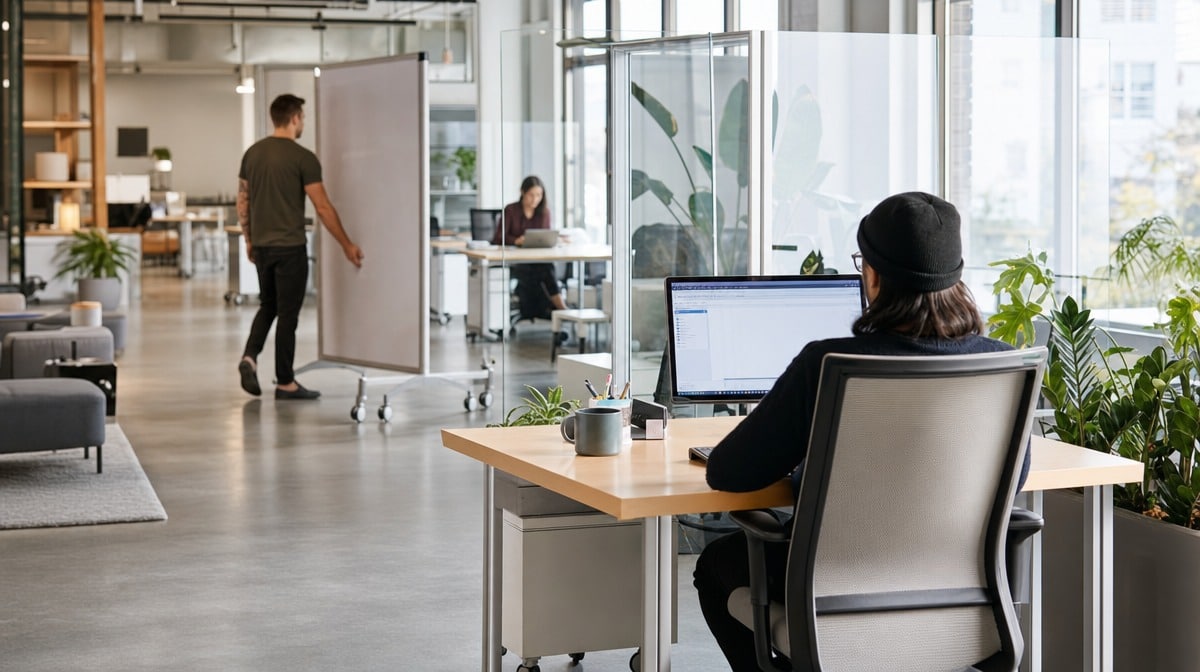
Cubicles and office partitions can feel like a relic of the past for most modern workplaces, but there is a case for bringing them back, at least temporarily. Temporary partitions are a simple way to separate coworkers and reduce the spread of the virus while people work in large rooms in their own separate spaces. If solid partitions feel too closed in, transparent perspex or glass screens are a good alternative. These screens keep the office feeling open and collaborative while still enforcing social distancing, and they act as a quiet visual reminder of the situation, stopping germs from spreading as easily between desks.
Allow Flexible Remote and Hybrid Working
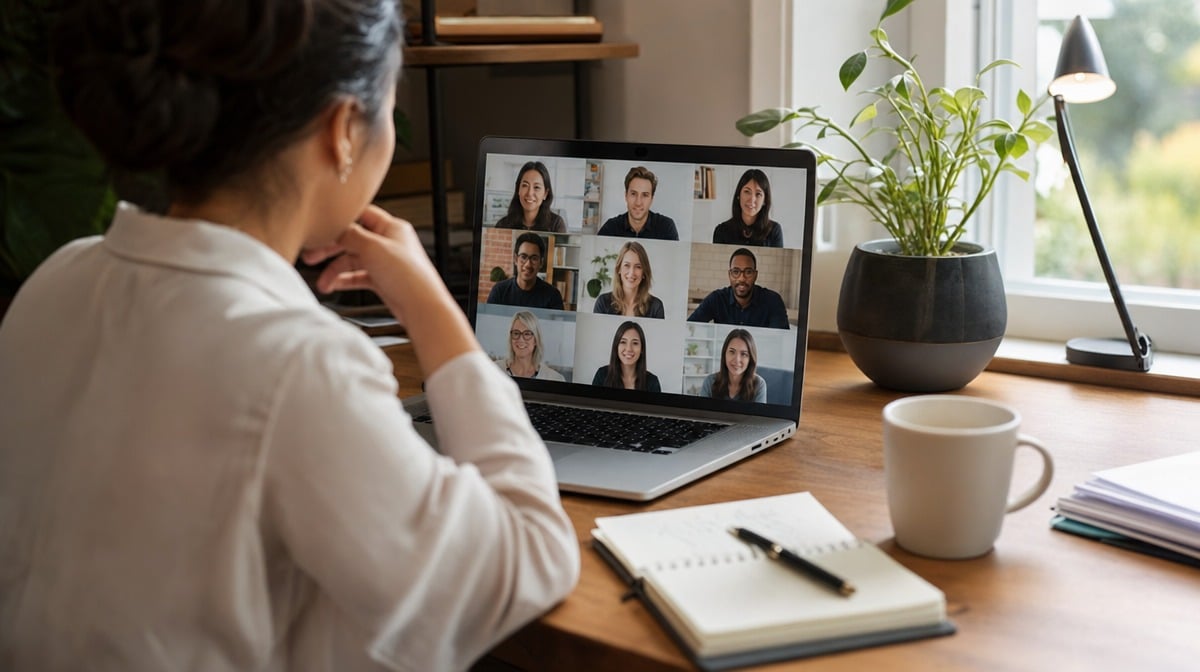
Plenty of workers have grown used to working from home, and many now have a real taste for it. You might be skeptical at first, but allowing flexible working from home and in the office can be surprisingly cost-effective and can make your business successful. Pew Research found that about a third of employees who can work from home now do so all the time, and many more split their week between home and the office in a hybrid pattern.
Offering that option tends to boost morale and loyalty, since people are more likely to stay loyal to a company that trusts them with remote work. It also keeps fewer bodies in the building on any given day, which keeps everyone a little safer. If you are worried about output, set clear expectations and lean on shared systems so standards stay high wherever people log in.
Build the Everyday Habits That Help Prevent the Spread
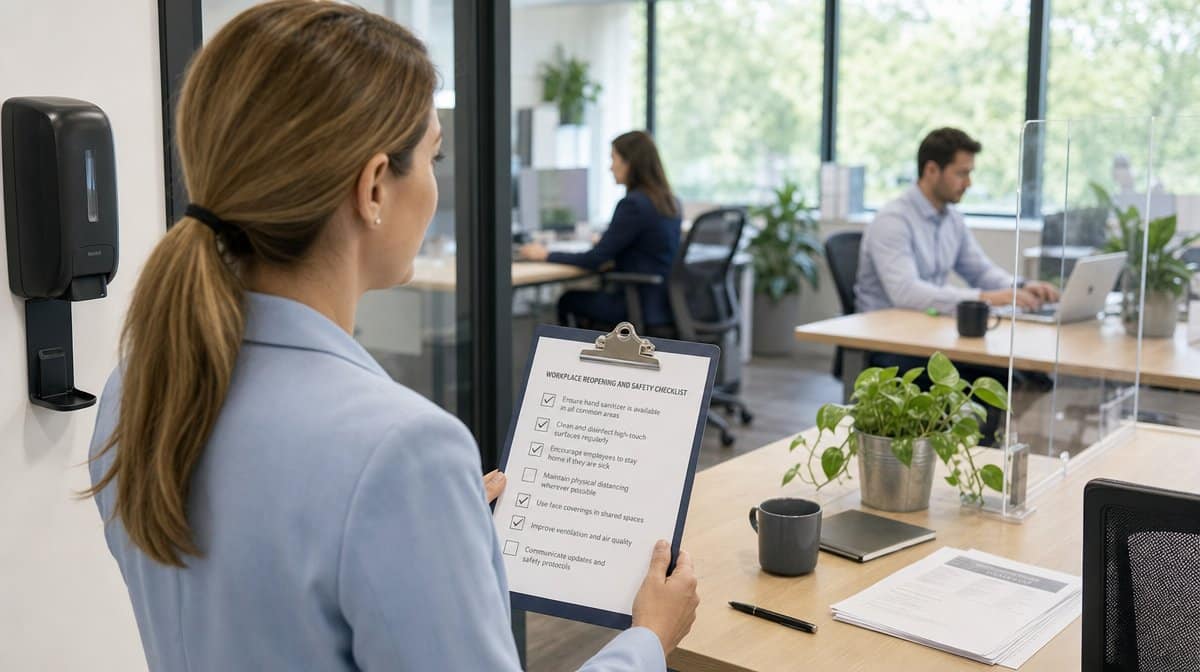
Physical changes only go so far without steady habits to back them up. Encourage anyone who feels unwell to stay home, keep hand sanitizer and cleaning supplies easy to reach, and improve ventilation wherever you can, since fresh air dilutes the virus indoors. OSHA’s guidance on protecting workers from COVID-19 is a sensible, current baseline for the basics, from hygiene to airflow to what to do when someone reports symptoms. Written into a simple routine that every employee knows, these small steps do more to prevent spread across a busy office than any single gadget.
Ensure a Safe Workplace Post COVID-19
Whether it is flexible remote working, indoor mapping, modular furniture, or a few well-placed partitions, the aim is the same: a workplace where people feel safe and can still do their best work. Pick the mix of solutions that fits your building and your team, revisit it as guidelines change, and you will be well on your way to a safe workplace long after the pandemic fades into the background.
Frequently Asked Questions
How Can Employees Help Prevent the Spread of COVID-19 at Work?
Employees can help by staying home when they feel unwell, keeping a sensible distance from coworkers, sanitizing their hands often, and following the workplace cleaning and ventilation routines. Consistent daily habits matter more than any single measure.
What Is the Best Way to Monitor Social Distancing in an Office?
Indoor mapping software, such as MappedIn, shows the real-time capacity and use of a space. That makes it easier to monitor social distancing, manage foot traffic, and let staff book desks or rooms digitally.
Are Office Partitions Still Useful After the Pandemic?
Yes. Temporary partitions and transparent perspex or glass screens separate coworkers, reduce the spread of germs, and act as a visual reminder to keep distance while people share larger rooms.
Does Flexible Remote Work Make a Workplace Safer?
Flexible and hybrid remote work keeps fewer people in the building on any given day, which lowers close contact. It can also be cost-effective and tends to improve employee morale and loyalty.
What Makes a Workplace Safe After COVID-19?
A safe workplace combines physical changes, such as spaced desks, partitions, and better airflow, with clear habits like staying home when sick and regular hand hygiene, all revisited as public health guidelines change.