How Do You Get Employees Excited About Work?

Employees rarely become excited about work because of a single perk. They become invested when leaders communicate clearly, listen seriously, recognize progress, and create room to grow. For a small business owner, those daily habits shape whether people merely complete tasks or feel connected to the company’s success.
Your employees can be one of your greatest resources, but they need more than instructions and a paycheck. They need a work environment that helps them manage employee stress, find satisfaction in their work, and see how their effort contributes to real results. Here are practical ways to get employees excited about work without mistaking temporary enthusiasm for lasting engagement.
What Gets Employees Excited About Work?
Employees are excited about work when they understand what matters, have a voice in how work gets done, receive useful feedback, and can see a future for themselves in the organization. Excitement is not constant cheerfulness. It is the durable energy that comes from purpose, trust, progress, learning, fairness, and a sense that good work will be noticed. That energy can survive a difficult week because it rests on how the workplace operates, not on a passing mood.
These conditions are closely related to employee engagement. Gallup’s employee engagement research identifies purpose, development, manager support, ongoing conversations, and opportunities to use one’s strengths as important drivers. Small businesses may not have large HR teams, but they can build those conditions through consistent employee relations practices.
How Can You Get Employees Excited About Their Jobs?
Many of the best ways to get employees motivated and excited about their jobs are basic relationship-building techniques. The following eight practices work together. Communication without listening feels one-sided, recognition without fairness feels political, and workplace fun without meaningful work quickly feels hollow.
1. Communicate Openly
There may not be a quicker way to lose the loyalty of your employees than withholding important information or communicating in a way that is misleading. You don’t need to share every detail of running your business, but employees need enough context to do their jobs effectively. Explain priorities, deadlines, customer expectations, and changes that affect their work.
Communicate this information on a regular basis instead of waiting for a crisis. A short weekly update can cover what changed, what did not change, what the team accomplished, and where help is needed. If information is confidential, say so directly and explain what you can share. Clear boundaries build more trust than vague reassurance.
2. Listen to Your Employees
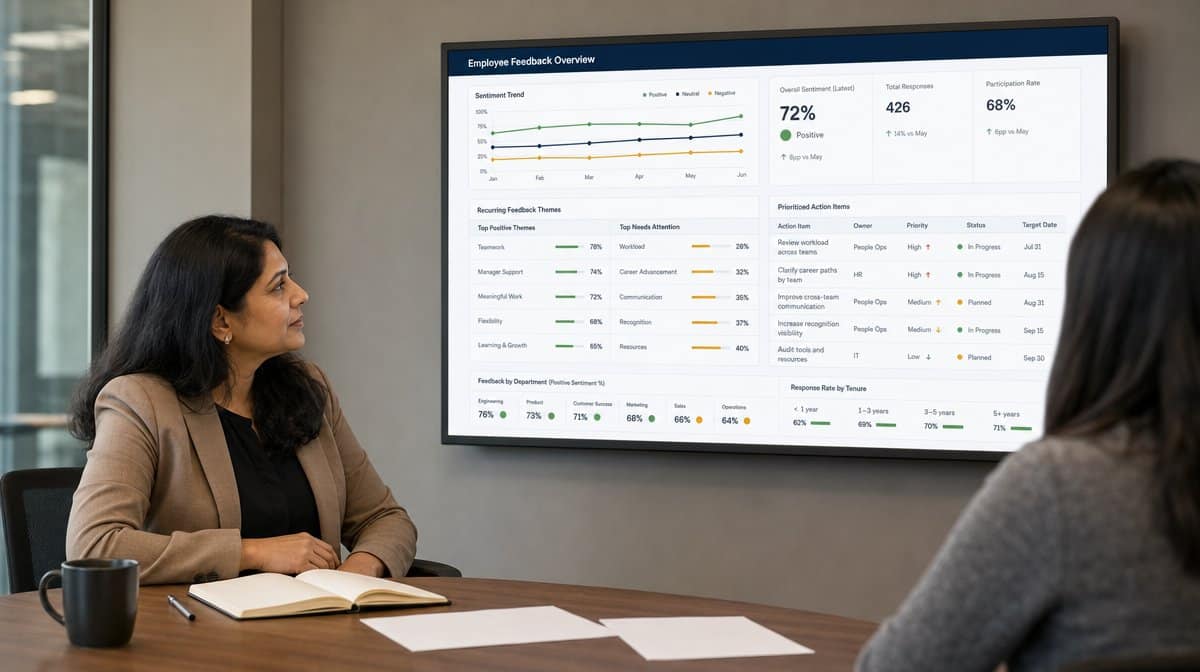
Just as communicating clearly is important, employees also need opportunities to discuss issues and ask questions that will give them direction in their jobs. Give your team structured ways to talk about what is important to them, then take the time to listen. One-on-one check-ins, team retrospectives, and a standing agenda item for obstacles can make listening part of operations rather than a special event.
Listening matters only when it leads to visible action. Close the loop by saying what will change, what needs more investigation, and what cannot change right now. When an employee has the context and judgment to act, empower employees to make decisions instead of routing every issue through the owner. That combination of voice and responsibility helps people feel trusted.
3. Be Positive at Work
The day-to-day operations of a small business can be stressful, but a can-do attitude can reduce the impact of ordinary challenges. Positivity can be contagious when it is grounded in reality. Leaders who acknowledge a problem, identify the next step, and stay calm under pressure show employees that setbacks can be handled.
Provide inspirational leadership with an upbeat and optimistic attitude, but do not force everyone to see the glass as half full. Employees can tell when optimism is being used to dismiss a heavy workload or a legitimate concern. The goal is confidence with accountability: name the challenge, protect the team from unnecessary stress, and keep progress visible.
4. Make Learning Part of the Culture
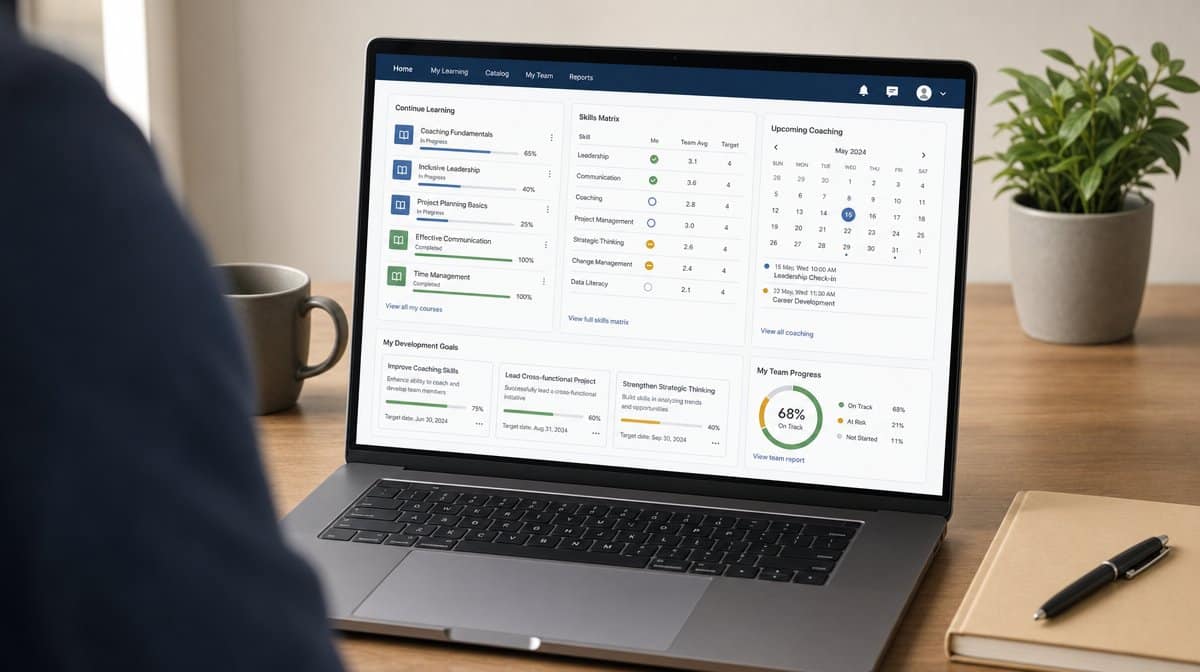
Skill development opportunities are valuable because they help employees do their current jobs well and prepare for career advancement opportunities. The old SAP and Oxford Economics Workforce 2020 research helped popularize this point, but learning needs have moved well beyond occasional supplemental training programs. Employees now need regular chances to build technical, operational, and leadership skills as their roles change.
Gallup’s 2025 analysis of employee development found that fewer than half of U.S. employees participated in job-related training or education in 2024, with time and manager support among the major barriers. Managers can help by protecting learning time, connecting training to a real responsibility, and discussing the next skill an employee wants to build.
Learning does not always require a formal course. Job shadowing, cross-training, a stretch assignment, a short coaching session, or a documented lesson after a project can all become useful training programs at work. Ask employees to apply what they learned and share it with the team so development becomes part of the culture rather than a benefit used by a few people.
5. Share Successes
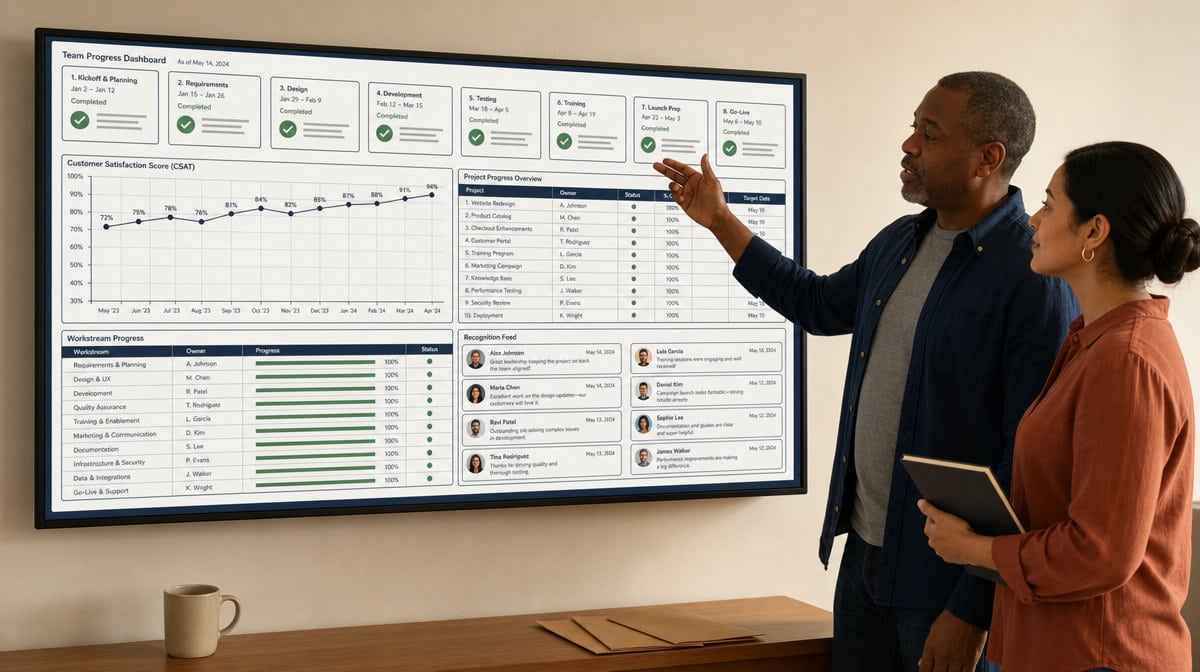
It’s amazing how much giving employees recognition, even a simple pat on the back, can do for morale in a small business. Let employees share in the celebration of big wins so they can see the results of their hard work and continue building positive momentum.
Make recognition timely and specific. Instead of saying only, “Good job,” explain what the employee did, who benefited, and why it mattered. Share a customer compliment, show a quality improvement, or connect a finished project to revenue, time saved, or a problem prevented. Recognition is more credible when it highlights a real contribution and does not always go to the loudest person in the room.
Small wins matter too. A difficult customer issue resolved well, a cleaner handoff, a safer process, or a colleague who stepped in to help can all deserve attention. The American Psychological Association’s Work in America survey reinforces the importance employees place on accomplishment, meaningful work, respect, and opportunities to grow.
6. Bring Fun into the Workplace
An enjoyable work environment can be a great motivator. Consider starting a friendly competition with monetary incentives or a day off as the reward. A popcorn machine, Friday afternoon pizza parties, a team game, or a shared celebration can lighten the mood and give people a reason to connect beyond the next task.
Perks work best when they fit the team and remain optional. Ask employees what they would actually enjoy instead of assuming everyone wants the same activity. Most importantly, don’t use fun to cover up unfair workloads, weak communication, or missing recognition. Pizza cannot fix a job that feels chaotic or thankless, but it can strengthen a workplace that already treats people well.
7. Be Fair
Employees notice quickly when standards change from one person to another. If expectations, rewards, or corrective action appear arbitrary, feelings of resentment and jealousy begin to develop. Fairness starts with clear roles, documented expectations, and a consistent way to evaluate employee performance and accountability.
Consistency does not mean treating every situation as identical. Responsibilities, experience, and circumstances can differ, but the reasoning should be transparent. Apply the same principles when distributing opportunities, recognizing results, approving flexibility, or issuing rewards and reprimands. When a decision affects one employee differently, explain the job-related reason without sharing private information.
8. Let Your Passion Show
You started your business because you have a passion for your work. Let that excitement show so employees can appreciate how much you have put into the business. Talk about the customer problem the company solves, the standard you want the team to uphold, and the progress you are proud to see.
Visible passion is most persuasive when it helps employees connect their work to a purpose. If you are excited about your job and simply love what you do, invite employees into that story without expecting them to copy your personality. Give them ownership, credit, and room to develop their own reasons for caring about the work.
How Do You Sustain Employee Excitement Over Time?
Many of the ways to get employees motivated and excited about work are basic relationship-building techniques: listening, communicating, learning, recognizing progress, and contributing to success. It takes time and attention to develop a highly motivated team that is excited to come to work every day. No single party, incentive, or speech can replace the steady management practices that create trust.
Choose a simple rhythm and maintain it. Share priorities weekly, ask for input, remove an obstacle, recognize a useful contribution, and discuss development regularly. Review the rhythm with the team every few months so practices stay useful as responsibilities and working conditions change. Incorporating these ideas into your business can help you become a better leader, a more successful small business owner, and a person who helps employees find genuine satisfaction in their jobs.
Frequently Asked Questions
What Makes Employees Excited About Work?
Employees are more likely to feel excited when they understand priorities, can influence their work, receive meaningful recognition, have opportunities to learn, and trust that standards are fair.
How Can Managers Improve Employee Motivation?
Managers can improve motivation by communicating regularly, listening and acting on feedback, removing obstacles, recognizing specific contributions, and connecting daily tasks to customer and company results.
Why Does Open Communication Matter at Work?
Open communication gives employees the context they need to make sound decisions and reduces the uncertainty created by withheld or misleading information. It also makes it easier to ask questions before small problems grow.
How Do Learning and Recognition Affect Engagement?
Learning helps employees perform current jobs and prepare for career advancement, while recognition shows that progress and good judgment are noticed. Together, they reinforce growth and contribution.
Can Workplace Fun Improve Morale?
Workplace fun can improve morale when employees enjoy it and when it complements meaningful work, fair treatment, manageable workloads, and recognition. It should not be used as a substitute for those fundamentals.