
accounting
Learn how to reconcile a bank statement with this step-by-step guide. Understand the importance of bank reconciliation and the process of matching transactions to ensure accuracy of your financial records. “
Read more
Learn how to prepare a trial balance for your accounting records. Understand the importance of a trial balance and the steps to create one accurately. “
Read more
Learn how to avoid missed billings and ensure your accounting practices are up to date with this helpful blog post. Get tips on how to stay organized and on top of your finances.
Read more
Learn how to post to the general ledger with this comprehensive guide. Understand the basics of accounting and the importance of the general ledger in the accounting process. “
Read more
The current ratio and quick ratio are two of the most important financial ratios used to measure a company’s liquidity. They are both used to assess a company’s ability to pay its short-term obligations. The current ratio measures a company’s current assets against its current liabilities, while the quick ratio measures a company’s liquid assets against its current liabilities. Knowing the difference between the current ratio and quick ratio can help investors make more informed decisions when evaluating a company’s financial health.
Read more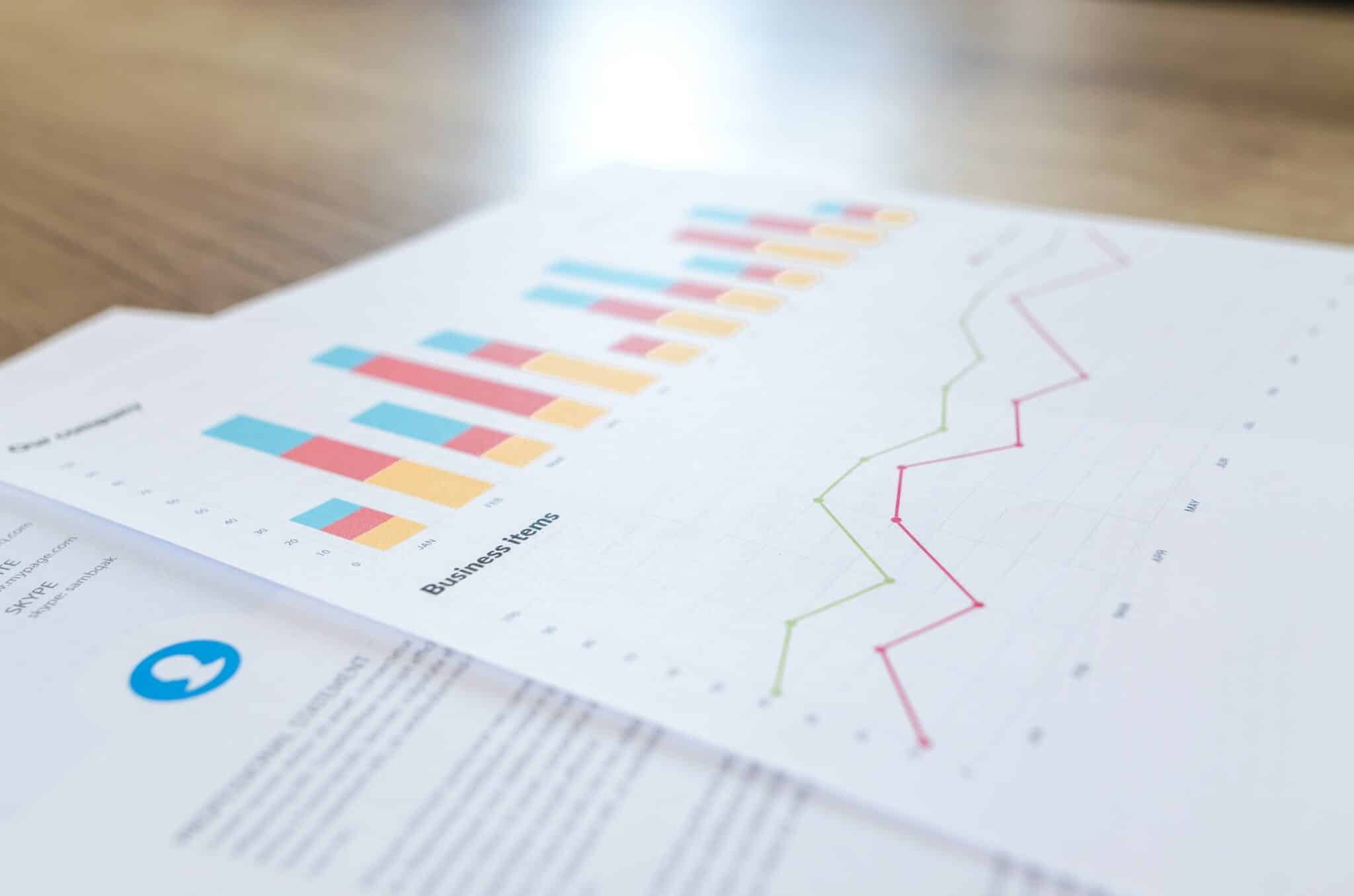
Are you looking for a step-by-step guide on how to record a loan payment that includes both interest and principal? This article will provide you with the information you need to accurately record a loan payment. We’ll cover the basics of loan payments, how to calculate interest and principal, and the best way to record the payment in your accounting system. With this guide, you’ll be able to confidently record a loan payment that includes both interest and principal.
Read more
Financial controls are internal controls, practices and procedures organizations use to regulate and manage their finances. They strive to guarantee accuracy, reliability, and integrity of financial information, and protect assets and prevent fraud. What are financial controls?
Read more
Errors in financial statements, inaccurate assets and liabilities, and difficulty monitoring cash flow could arise when transactions aren’t recorded accurately. This also allows businesses to keep and eye on their income and expenses, giving them and accurate reflection of their financial standing.
Read more
Accounting practices vary greatly depending on the business size an type. Small businesses may be asking, “Do I have to follow Generally Accepted Accounting Principles (GAAP) GAAP is the set of standards set by the Financial Accounting Standards Board (FASB). Generally, it’s considered best practice, but small businesses have some flexibility.
Read more
Best Manual Deals
-
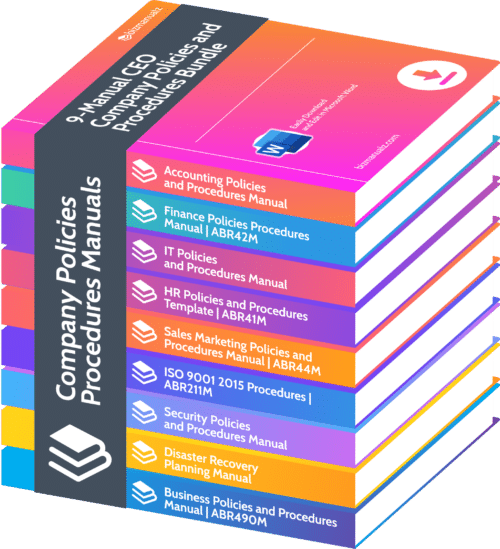 9-Manual CEO Company Policies and Procedures Bundle | Save 45%
$ 2,495.00
-
 ISO 22000 Food Safety Procedures Manual | ABR213M
Original price was: $ 395.00.$ 197.00Current price is: $ 197.00.
-
 ISO 22000 Seguridad de los Alimentos Procedimientos | ABR219M
Original price was: $ 395.00.$ 195.00Current price is: $ 195.00.
-
 ISO 9001 Quality Manual | ABR211MPM
$ 49.99
Business Manuals
-
 HR Policies and Procedures | ABR41M Employees Policy Examples
$ 495.00
-
 Sales Marketing Policies and Procedures Manual | ABR44M
$ 495.00
-
 ISO 9001 2015 Procedures | ABR211M
$ 495.00
-
 Finance Policies Procedures Manual | ABR42M
$ 495.00
-
 Accounting Policies and Procedures Manual | ABR31M
$ 495.00
-
 IT Policies and Procedures Template Manual | ABR34M Information Security Policy Manual
$ 495.00
-
 Security Policies and Procedures Manual | ABR32M
$ 395.00
-
 Disaster Recovery Planning Manual | ABR33M
$ 395.00
-
 AS9100 Quality Procedures Manual Rev D | ABR217M Aerospace QMS
$ 395.00
-
ISO 22000 Food Safety Procedures Manual | ABR213M
Original price was: $ 395.00.$ 197.00Current price is: $ 197.00.
-
9-Manual CEO Company Policies and Procedures Bundle | Save 45%
$ 2,495.00
-
ISO 22000 Food Safety Procedures Manual | ABR213M
Original price was: $ 395.00.$ 197.00Current price is: $ 197.00.
-
ISO 22000 Seguridad de los Alimentos Procedimientos | ABR219M
Original price was: $ 395.00.$ 195.00Current price is: $ 195.00.
-
ISO 9001 Quality Manual | ABR211MPM
$ 49.99
-
 How to Prevent Workplace Violence Manual | ABR32MWV
Original price was: $ 49.99.$ 19.99Current price is: $ 19.99.