How Can Technology Improve the Efficiency of a Business?

Business inefficiency often hides in repeated data entry, disconnected systems, slow handoffs, and decisions made without current information. Ask yourself: can technology improve efficiency if it simply adds another tool? The answer depends on whether Information Technology in Business connects the work, automates predictable steps, and gives employees reliable information when they need it.
Technology has revolutionized our lives, but business value does not come from technology alone. It comes from designing the system architecture, applications, database storage, networking, testing, technical documentation, maintenance mechanisms, training, and business strategies around a clear operating goal. That coordinated approach can improve process efficiency, customer experience, and the quality of day-to-day decisions.
What Is Business Efficiency?
Business efficiency is the relationship between the useful output a company produces and the time, cost, labor, and other inputs required to produce it. The U.S. Bureau of Labor Statistics definition of productivity uses the same output-to-input logic. An efficient process reduces unnecessary effort, delays, errors, and rework without lowering quality or weakening controls.
Technology improves business efficiency when it removes friction from a defined process. A connected system can move information once, validate it at the point of entry, make it available across authorized teams, and preserve a record for later analysis. Poorly selected technology can do the opposite, which is why process design, governance, employee adoption, and ongoing support matter as much as the software itself.
What Technologies Help a Company Improve Process Efficiency?
Technology has revolutionized our lives by making communication, information, and services available over the Internet and web. Over time, IT services from software companies have accelerated business-model software development and led to a significant change in process efficiency. In a company, these technologies work when the technical foundation is designed around information needs and the work employees actually perform. The OECD notes that the digitalisation of small and mid-sized businesses can support productivity, resilience, and competitiveness, but the benefits depend on capable adoption.
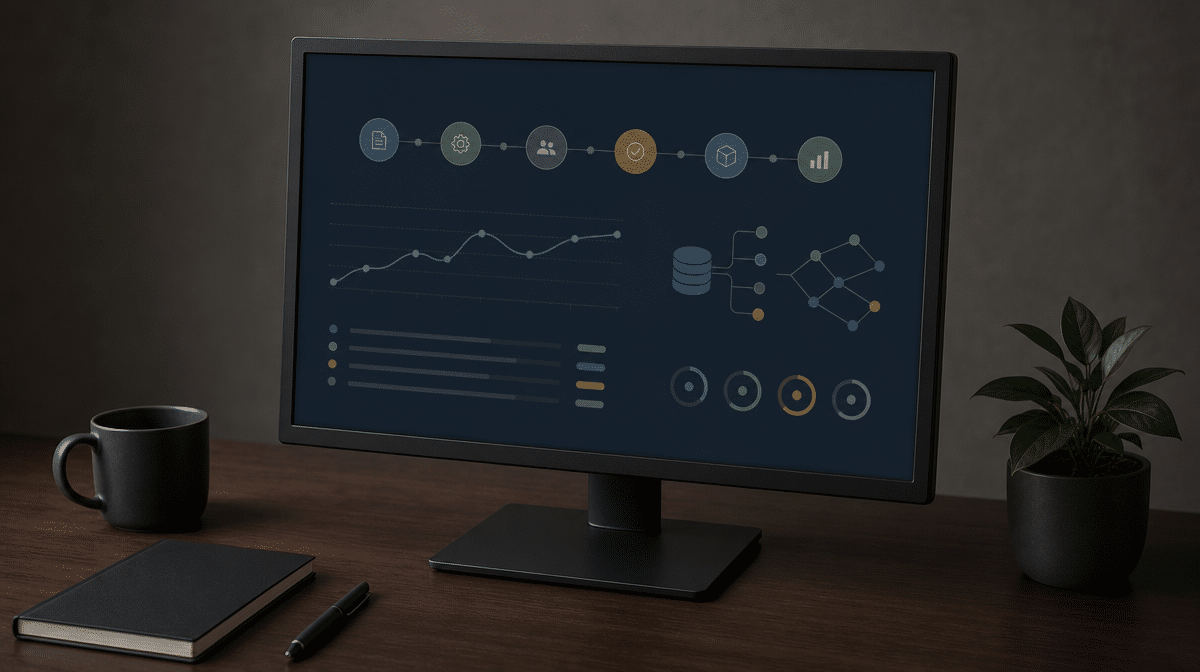
IT System Architecture
Companies design a well-defined IT system architecture according to the information needs of the company. The architecture connects applications, cloud computing services, integrations, identity controls, and data flows so information can move without repeated manual handoffs. A resilient design also plans for security, backup, recovery, capacity, and change, which protects efficiency when demand rises or a component fails.
Software Application Development
Software application development turns a business process into a usable digital workflow. By working on the website, internal systems, and connected services, a company software team can design an effective application through modern techniques such as reusable services, application programming interfaces, workflow automation, and responsible artificial intelligence. The strongest application does not automate every exception; it automates predictable work and makes the remaining decisions clear to employees.
Database Design and Development
Efficient database design and development give a business organization dependable storage capacity and a consistent source of information. Database storage should reflect current needs while supporting access control, retention, validation, backup, and future growth. When data definitions and ownership are clear, employees spend less time reconciling conflicting records and more time acting on accurate information.
Networking
Networking is an essential capability for the success of a connected company. Secure networks link computers, Internet of Things (IoT) devices, remote employees, cloud computing platforms, and business applications without exposing every resource to every user. Reliable connectivity reduces interruptions, while monitoring helps the support team identify congestion, outages, and unusual activity before they disrupt operations.
Software Testing
Without testing, automation can reproduce an error faster and at a larger scale. Software testing should cover hardware, software, integrations, database storage, security controls, and the real use cases employees depend on. Automated tests and structured acceptance checks reduce defects during the development phase and make each release more predictable.
Technical Documentation
A technical writing team records system functionalities in a written format: how the system works, who owns it, how employees should use it, and what to do when something fails. Clear technical documentation supports company application training, knowledge transfer, software use case development, incident response, and consistent onboarding. Version-controlled documentation also keeps written guidance aligned with the current system instead of a retired process.
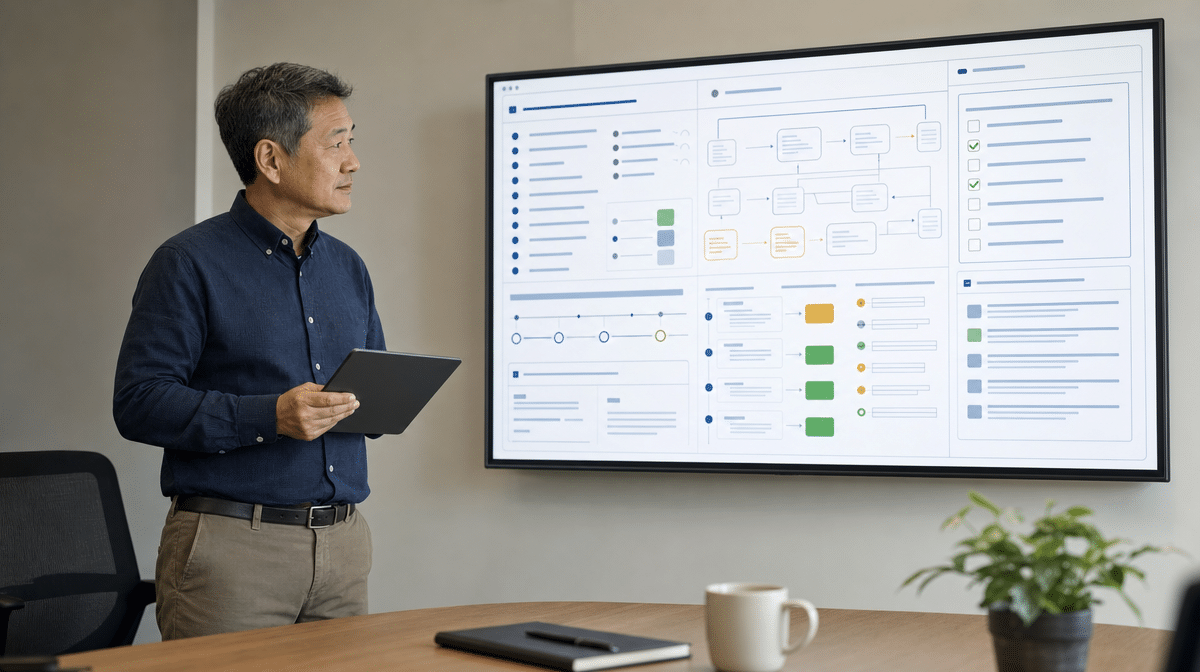
Software Maintenance
In a real-time scenario, every operation requires maintenance. Efficient software maintenance includes monitoring, updates, security patches, backups, access reviews, lifecycle planning, and incident response. These maintenance mechanisms reduce unplanned downtime and prevent a useful application from becoming a fragile dependency as the business changes.
How Does Technology Improve Operational Support?
Operational support converts technology from a one-time implementation into a dependable business capability. IT companies and internal teams help design IT policies, set a long-term strategy, monitor services, resolve incidents, and update systems when needed. These are striking benefits of incorporating IT into the company. A visible support model also tells employees where to report problems, what response to expect, and who owns the next decision.
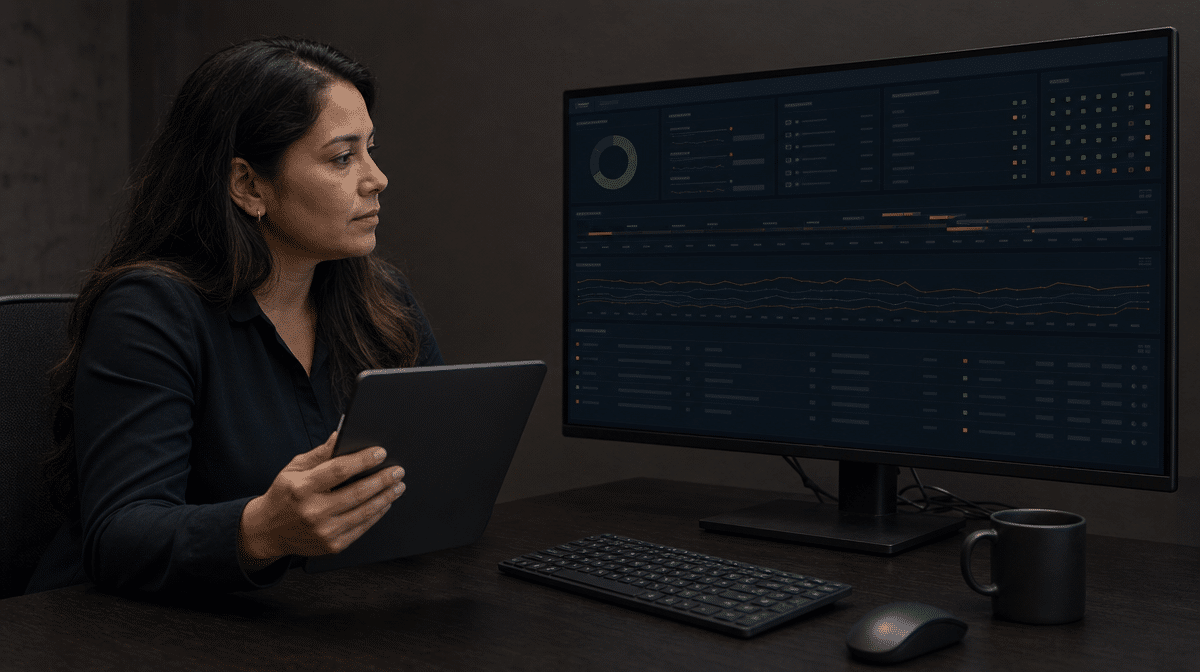
Agile Product Development
Agile product development uses short feedback cycles to test assumptions, deliver useful increments, and adjust priorities as information changes. One unique feature of the agile approach is flexible and standard output after passing each development phase, but only when teams define quality standards and involve the employees who will use the result. Smaller releases reduce the cost of discovering that a feature does not fit the process.
Leadership Development
Technology supports leadership development by making performance information, training resources, and decision records easier to access. Companies that believe in creating more leaders still need to train the workforce and emphasize leadership skills, not only provide software. Those skills greatly impact the success of the organization in the long run because managers must recognize where automation is useful, where human review is required, and how a change affects the work.
Business Strategies
Technology choices should follow business strategies rather than chase every new application. A company can evaluate business process automation, analytics, customer systems, and e-commerce strategies against specific targets such as shorter cycle time, fewer errors, higher service capacity, or better visibility. Clear measures make it possible to determine whether the investment is improving the work.
How Does Information Technology Affect E-Commerce Companies?
Technology has improved e-commerce businesses by supporting mobile shopping, dynamic pricing strategies, computerized reasoning, supply chain efficiency, and cross-channel purchases. These developments connect customer demand with inventory, pricing, service, and fulfillment. The U.S. Census Bureau’s current quarterly retail e-commerce report provides a government source for the continuing scale of online retail activity.
Use of Cell Phones for Shopping
Smartphones and other mobile devices let potential customers conduct careful exploration and observation of items available online, compare options, complete an online purchase, request support, and check an order from almost anywhere. The screen of a cell phone is therefore part of the storefront, not a smaller copy of a desktop website. Every brand reaches customers through this screen, so an advertiser should make the best use of the technology without turning the promotion into friction. Mobile pages, forms, payment steps, and customer-service tools should be fast, readable, secure, and designed around a pleasant customer experience.
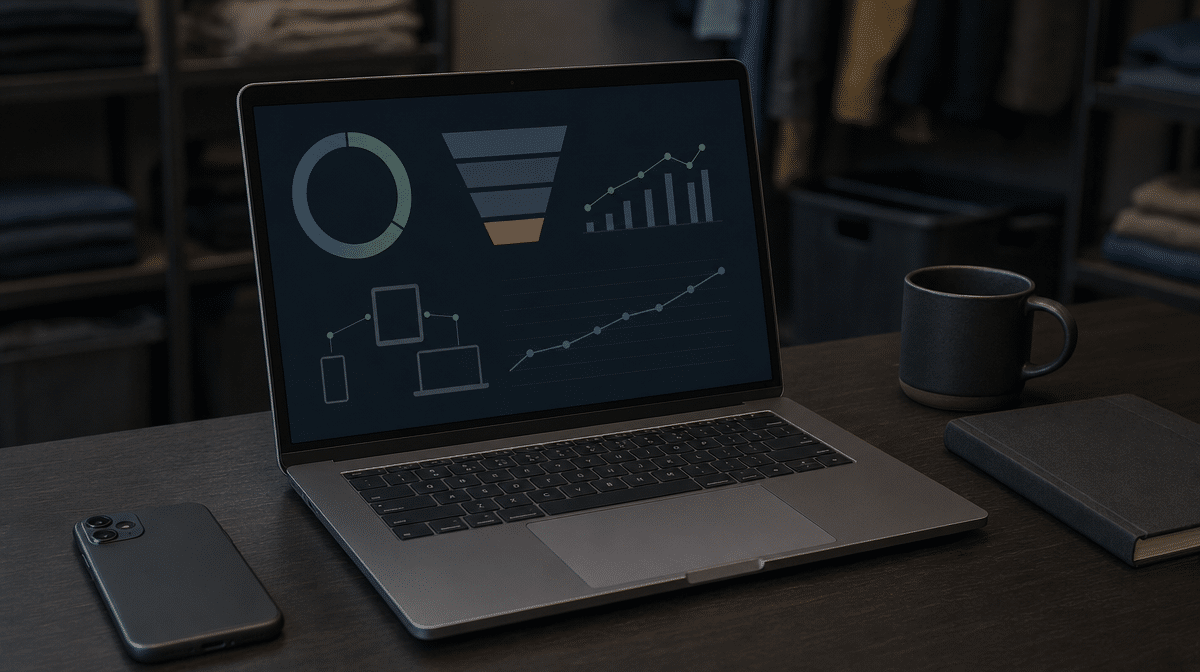
Dynamic Pricing Strategies
In e-commerce, an e-retailer needs to take every step carefully. Dynamic pricing is a flexible methodology in which the price of items can change with time, demand, inventory levels, the external market, market interest, available items in the online store, and defined business targets. For example, when a rival’s stocks are low, a retailer may raise the cost, protect limited inventory, or bring in a different deal. When demand is weak, it may offer a lower cost or test a promotion. The decision should follow documented rules rather than an unexplained reaction to every continuous change in the value of items.
Algorithmic pricing can process more signals than a manager can review manually, but efficiency does not remove accountability. Companies should understand which data affects the result, test for unintended outcomes, protect customer information, and give employees a way to review exceptions.
Computerized Reasoning and Artificial Intelligence
Retailers are progressively utilizing computerized reasoning and artificial intelligence to remain relevant and compete with rivals. These techniques can help forecast demand, prioritize client connections, identify unusual activity, and recommend the next action. Chatbots and AI assistants can be launched to mimic conversations with clients who frequently visit a website, while employees handle complex or sensitive issues. Purchasing records and client data can improve relevance, but access controls, data quality, monitoring, and human review are required to use those techniques responsibly.
High Supply Chain Efficiency
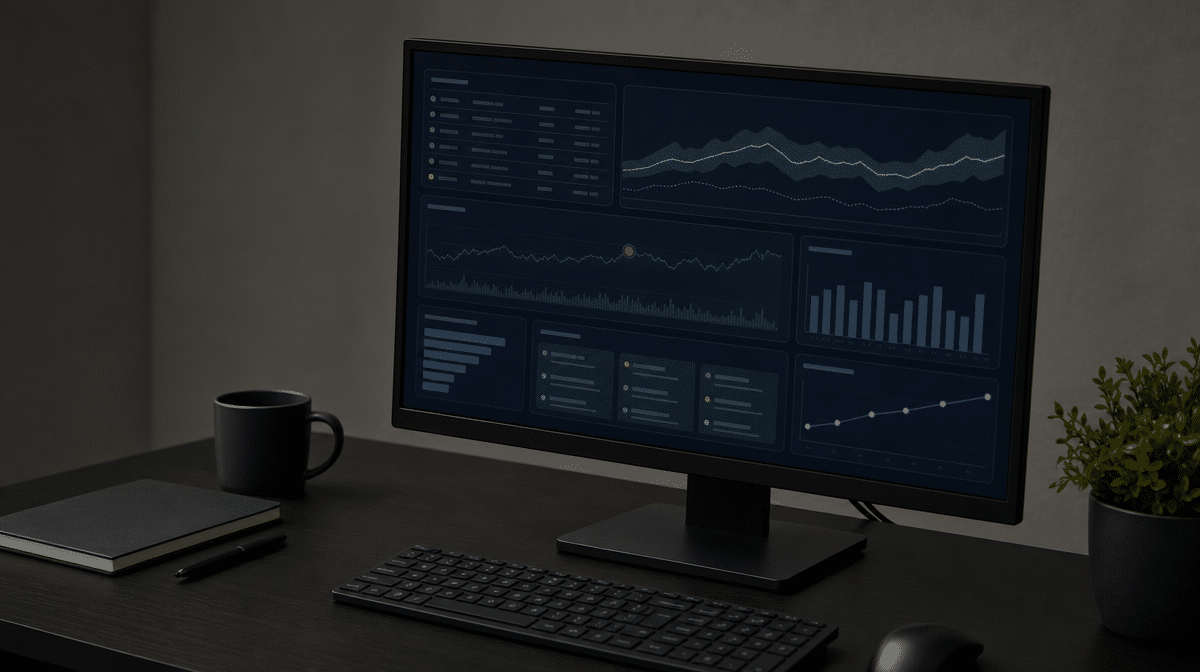
Customers often have a purchase-now mentality and expect easy-going, smooth assistance from checkout through delivery. Technology has driven massive innovation in retail-sector supply chains by connecting supplier information, inventory, warehouse capacity, orders, transportation, and fulfillment status. Advanced production methods and real-time alerts help retailers maximize yield, protect profit, and respond to a delay before it becomes a missed promise.
Cross-Channel Purchases
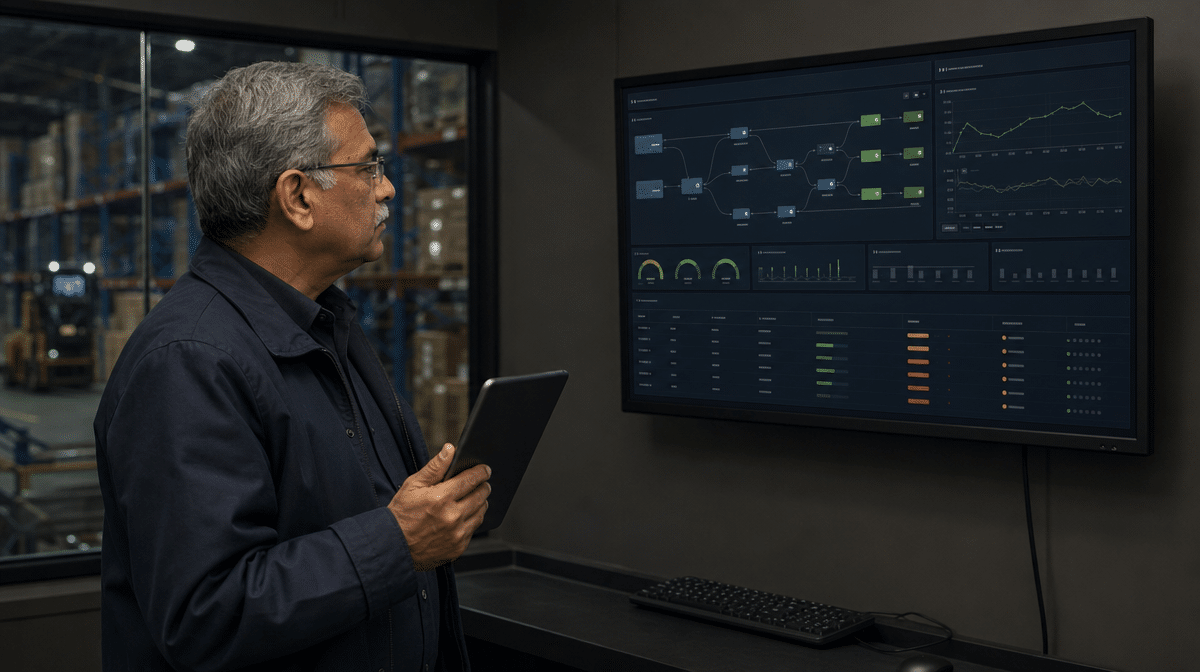
Cross-channel purchases happen when customers use multiple channels to research, choose, buy, receive, or return an item. Everyday information technology brings new advancements in online media, and omnichannel shopping may begin there, continue on a mobile device, and finish in a store or support conversation. Customers have multiple options to choose a desired item or service, and they expect those various channels to remember the same availability, preferences, and order status. To guarantee steady benefits and reach the intended audience, a consistent online presence across multiple platforms should reduce repeated effort for the customer and prevent conflicting information inside the business.
How Technology Improves Business Efficiency
Information technology brought a massive revolution to every field by bringing services over the Internet and web. Technology is reshaping e-commerce and many other businesses, but efficiency depends on coordinated design and disciplined use. The company should begin with a defined process, identify the delays and errors that matter, choose technology that fits the information needs, train employees, document the operating method, and maintain the system over time.
The practical question is not whether a company has modern software. It is whether architecture, applications, databases, networking, testing, technical documentation, operational support, and leadership help employees produce better results with fewer wasted inputs. When those elements reinforce one another, technology improves business efficiency without making the organization harder to understand or control.
Frequently Asked Questions
What Is Business Efficiency?
Business efficiency compares useful output with the time, cost, labor, and other resources required to produce it. Efficient processes reduce avoidable delays, errors, rework, and downtime while preserving quality and control.
Which Technologies Improve Business Efficiency?
System architecture, software applications, databases, secure networking, cloud computing, testing, documentation, automation, analytics, and artificial intelligence can all improve efficiency. The right combination depends on the process, information needs, risks, and employees involved.
How Does IT System Architecture Improve Efficiency?
IT system architecture defines how applications, data, identities, integrations, and infrastructure work together. A clear architecture reduces duplicate work, supports reliable information flow, and makes security, maintenance, and recovery easier to manage.
How Does Technology Improve E-Commerce Efficiency?
Technology connects mobile shopping, pricing, customer service, inventory, fulfillment, and cross-channel purchases. Connected information helps retailers respond faster while giving customers a more consistent experience across channels.
What Should a Business Review Before Adopting New Technology?
A business should define the process problem, expected result, information needs, security and privacy risks, integration requirements, employee training, documentation, ownership, and maintenance plan. It should also decide how the result will be measured before implementation begins.