10 SEO Techniques: Rank Website Higher, Reap Great Traffic

A desirable position in the Search Engine Results Page (SERP) is still the target of many business owners, marketers, and website managers. The route to that position has changed, but the basic work has not: publish useful content, make the page easy to understand, keep the site fast, and help search engines connect your pages to the right audience.
You can hire digital marketing services for deeper search engine optimization work, but many practical SEO techniques are still within reach for a small business team. Here are 10 SEO techniques to rank your website higher, improve search visibility, and reap greater traffic without turning the work into a mystery. Put plainly, these SEO techniques rank website higher when they make the page more useful, faster, and easier to understand.
SEO Methods to Rank Your Website Higher
Search engines do not reward tricks for long. They reward pages that are useful, crawlable, relevant, and trusted enough to satisfy the searcher. Google’s own SEO starter guide frames SEO as helping search engines understand content and helping users decide whether a result is worth visiting.
That means your best SEO plan is not one tactic. It is a practical operating system for content, keywords, links, media, mobile usability, and page speed. The following techniques keep the original goal of the article intact: make your website rank higher and bring in more organic traffic by serving the reader better than competing pages.
Tailor Content to Meet Consumers’ Needs
Your website should serve the interest of your consumers. The best way of achieving this is by creating content that fulfills their needs, answers their questions, and gives them enough detail to take the next step.
Many businesses still publish content because a keyword looks attractive, not because the page solves a real search problem. That strategy usually produces thin posts, weak engagement, and a waning interest from readers, which can affect readership and your SEO ranking.
Start with the language your customers already use. Review sales questions, support tickets, search queries, niche-specific social media groups, and customer communities. Then turn repeated problems into content that is specific, complete, and easy to scan. Google describes this direction as creating helpful, reliable, people-first content, which is a better long-term target than chasing every algorithm rumor.
Evergreen Content
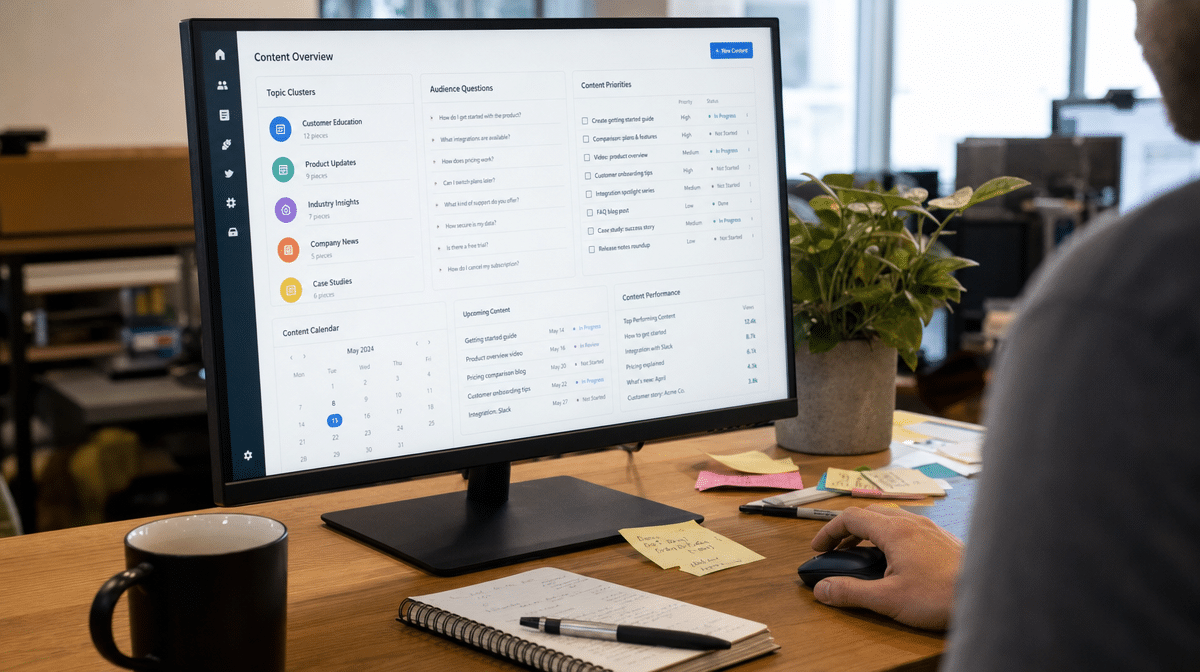
Creating targeted content is a job half done. The other part of your content strategy should be creating evergreen content that stays useful after the week it is published.
Evergreen content is content that fails to age quickly. It answers durable questions, explains stable processes, or gives readers a framework they can return to. Product announcements, event recaps, and short-lived trend posts may earn attention for a moment, but evergreen pages keep working because the search intent stays alive.
For SEO, evergreen content works best when it is maintained. Update examples, remove stale statistics, refresh screenshots, and keep links live. That maintenance tells readers, and search engines, that the page is not an abandoned archive.
Incorporate Long-Tailed Keywords
Keywords will never go out of style because they help connect a target page to a specific search query. That said, never focus entirely on short-tailed keywords. Although they are easy to incorporate, long-tailed keywords are often more effective because they describe clearer intent.
Long-tailed keywords are short phrases that are specific and create a higher conversion value. For instance, “affordable pink iPhone 6 covers” reflects a buyer’s intention more clearly than “iPhone covers.” The same principle applies in business search: “small business SEO checklist” is more actionable than “SEO.”
Use long-tail phrases naturally in headings, body copy, page titles, and meta descriptions. Do not stuff a phrase into every paragraph. The goal is to make the page obviously relevant to the searcher, not to make the page sound like it was written for a robot.
Focus on Video Content
Videos can deliver the same value in record time when the topic benefits from demonstration. A short walkthrough, explainer, comparison, or product demonstration can help users understand a concept faster than a long block of text.
Video also gives a page more ways to satisfy intent. Some users want to read. Others want to watch. The best pages often support both, with the video expanding the article rather than replacing it.
Use video where it adds clarity: tutorials, software steps, product examples, interviews, and before-and-after explanations. Add descriptive titles, transcripts, captions, and surrounding copy so search engines and users can understand the value of the video content.
Voice Search Option
Voice search has become part of normal search behavior through phones, cars, smart speakers, and digital assistants. The practical SEO lesson is not to chase every device. It is to write answers in the language people actually use when they ask a question out loud.
Voice searches often sound more conversational than typed searches. A typed query might be “SEO title tag length.” A spoken query might be “How do I write a title tag that helps my page rank?” That difference favors clear question headings, concise answers, and long-tailed phrases.
Make your website voice-search friendly by including natural questions, direct answers, and plain explanations. This is another reason the article’s question-shaped structure still works: it mirrors how users search when they want a fast answer.
Improve User Experience
Search traffic is not very useful if the user lands on a page and immediately leaves. Poor layout, intrusive popups, confusing navigation, hard-to-read text, and broken pages all weaken the experience.
User experience connects directly to SEO because search engines want to send people to pages that satisfy the query. A page that loads cleanly, answers quickly, supports scanning, and gives the visitor a sensible next step has a better chance of earning engagement than a cluttered page with the same keywords.
Review your pages the way a first-time visitor would. Can the user identify the topic in a few seconds? Can they find the answer promised in the title? Are related links helpful instead of distracting? If the answer is no, the SEO problem is also an operations problem.
Mobile-Friendly Site
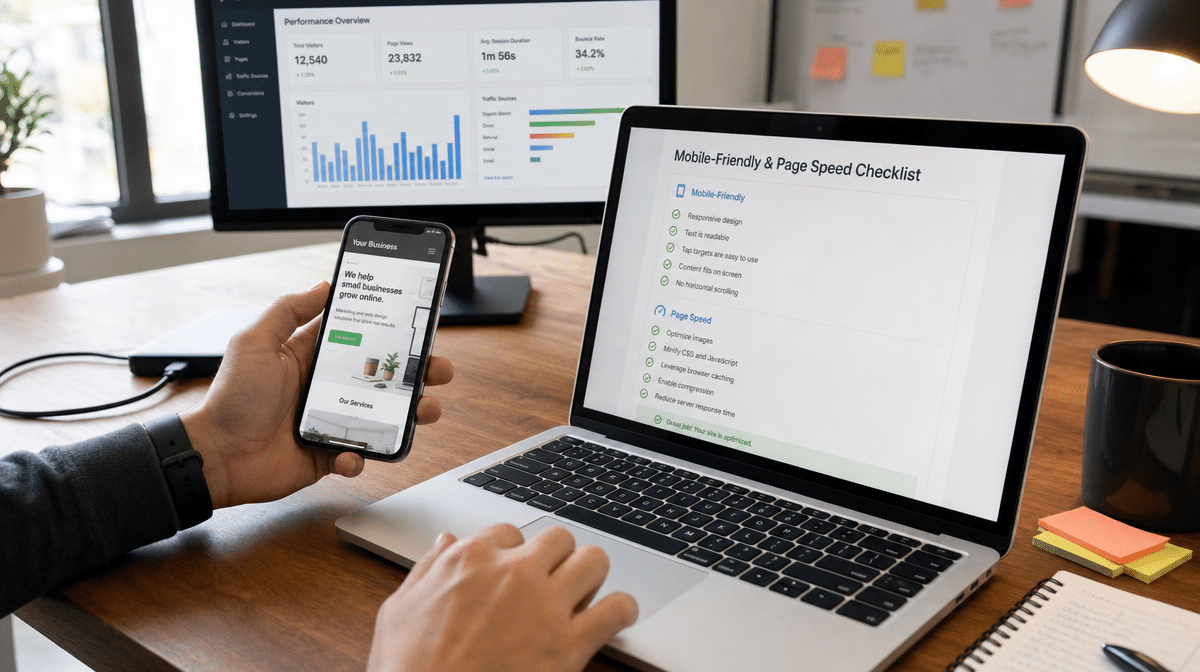
If mobile usage stats are not convincing enough, open your own website on a phone and try to complete a normal task. If buttons are too small, text is cramped, menus are awkward, or forms are painful, users will notice before a search engine does.
A mobile-friendly site is not only a responsive layout. It is readable copy, compressed images, clear navigation, accessible tap targets, and pages that work without requiring the visitor to pinch, zoom, or fight the interface.
Small businesses often treat mobile design as a theme setting. It should be a content and conversion review as well. The mobile version of a page should carry the same answer, the same credibility, and the same next step as the desktop version.
Use Power Words That Appeal to Users
You use words in headlines, meta descriptions, title tags, and the search snippets that appear in SERPs. Ignoring the potential of those words is a mistake because they help users decide which result deserves the click.
Power words work when they clarify value, not when they exaggerate it. Words like “checklist,” “template,” “step-by-step,” “examples,” “guide,” and “comparison” can help the user understand what kind of answer they will get. Emotionally charged vocabulary can work too, but only if it matches the page.
Use keywords in titles and descriptions where they fit naturally. Refrain from keyword stuffing because it will always backfire with readers, even when it temporarily appears to help a search result.
Focus on Internal Linking
Internal links are great because they keep users engaged long enough to learn more from your website. They also help search engine crawlers discover related pages and understand which topics belong together.
You can only achieve the desired effect if you are careful with this strategy. Adding irrelevant internal links will confuse readers and dilute the point of the page. Find linking opportunities that answer a reader’s question or provide useful further reading material on the same topic.
Use descriptive anchor text. “How to use keywords for internet marketing” is clearer than “read more.” Link from broad topics to detailed pages, from detailed pages back to parent guides, and from older content to newer pages when the newer page gives a better answer.

Improve Site’s Speed
Slow loading websites affect search visibility, user patience, and sales. If your website takes too long to load, visitors may leave before they see the content you worked to rank.
You can work on your website’s speed by looking into a couple of practical options. Compress heavy images, reduce unnecessary scripts, review third-party plugins, use caching, and consider a CDN if users are spread across locations. Google’s Core Web Vitals guidance gives website owners a useful framework for measuring loading, responsiveness, and visual stability.
Speed is not a one-time project. Every new image, script, form, ad unit, and plugin can add weight. Build performance checks into publishing, not just into redesign projects.
SEO Methods for Ranking Your Website Higher
Improving a website’s rank is not difficult if you know which SEO techniques need to be implemented and maintained. What changes is the order of importance. A tactic that once worked as a shortcut may not help the same way when search engines and users become better at recognizing weak content.
The strongest SEO plan is steady and practical. Learn what consumers need, publish evergreen content, use long-tailed keywords, support video where it helps, write for conversational search, improve user experience, keep the site mobile-friendly, choose compelling words, build useful internal links, and protect site speed.
Those methods will not guarantee a perfect rank on their own. They will, however, give your website a better foundation for search engine optimization, stronger organic traffic, and a clearer experience for the people who find you in the search results page.
Frequently Asked Questions
What Are The Best SEO Techniques For Small Business Websites?
The best SEO techniques for small business websites are useful content, long-tailed keywords, internal linking, mobile-friendly design, page speed, clear titles, and regular content maintenance. These methods help search engines understand the page and help users decide whether the result fits their need.
How Do Long-Tailed Keywords Help SEO Ranking?
Long-tailed keywords help SEO ranking by matching more specific search intent. They usually have lower volume than short keywords, but they often attract visitors who know what they want and are closer to taking action.
Why Is Evergreen Content Important For Organic Traffic?
Evergreen content is important because it can keep attracting organic traffic after publication. The topic stays relevant, the page remains useful, and periodic updates can keep the article accurate as examples, links, and search behavior change.
How Does Internal Linking Improve Search Engine Optimization?
Internal linking improves search engine optimization by helping visitors and crawlers move between related pages. Strong internal links clarify topic relationships, distribute attention to important pages, and give readers useful next steps.
Does Website Speed Affect SEO Performance?
Website speed can affect SEO performance because slow pages create a poor user experience. Faster pages are easier to use, especially on mobile devices, and they reduce the chance that visitors leave before reading the content.