How to Adapt to New Challenges in the Catering Sector

Catering businesses no longer serve customers through a single channel. The menu, payment process, promotions, and delivery experience must work together whether guests dine in, collect an order, or have food delivered to a home, office, or event.
For chefs, restaurateurs, and restaurant owners, adapting to new challenges in the catering sector means turning customer expectations into clear business policies. Mobile ordering, customer incentives, and a disciplined approach to menu decisions can help a business protect service quality, regain stability after disruption, and continue to grow.
What Is Adapting to New Challenges in the Catering Sector?
Adapting in the catering sector is the process of refining how a restaurant or catering business takes orders, communicates value, prepares food, manages delivery, and reviews performance. The goal is not to chase every trend. It is to build repeatable policies that let employees respond consistently when costs, customer habits, technology, or event requirements change.
The pandemic forced chefs and restaurateurs to change quickly, and many emergency practices became normal operating expectations. Customers still look for quick and easy ways to place an order and pay, but they also expect accurate menus, reliable pickup times, transparent options, and a consistent experience across on-premise dining, takeaway, and delivery. The National Restaurant Association’s research on technology and the off-premises market describes digital ordering and payment capabilities as important parts of serving that demand.
Adaptation works best when it becomes an operating system rather than a series of reactions. A restaurant manager should know who owns menu updates, who checks third-party listings, how customer feedback is reviewed, and what happens when an item becomes unavailable. The Restaurant Manager Job Description can help clarify that operational ownership, while written procedures give the wider team a common method to follow.
Safety remains part of the same system. The FDA Food Code provides a science-based model for food-service controls, including employee responsibilities, food handling, temperature control, and allergen awareness. Catering policies should align with the rules adopted by the relevant state or local jurisdiction and should be reviewed whenever the menu, preparation method, packaging, or delivery model changes.
How Can Catering Businesses Respond to Changing Customer Expectations?
The strongest response is usually not a long list of unrelated initiatives. Start with the three operating levers already closest to the customer: offer mobile ordering, add customer incentives that reward useful behavior, and rethink the menu using demand, cost, and service data.
Offer Mobile Ordering
Whether customers are dining in or taking out, they want quick and easy ways of placing an order and paying. Mobile ordering lets customers place an order through a smartphone, an owned website or app, a QR code, or a third-party delivery platform. The ordering system can accept payment methods such as Google Pay or Apple Pay through a compatible processor or payment gateway, which lets customers check out without repeatedly entering their details.
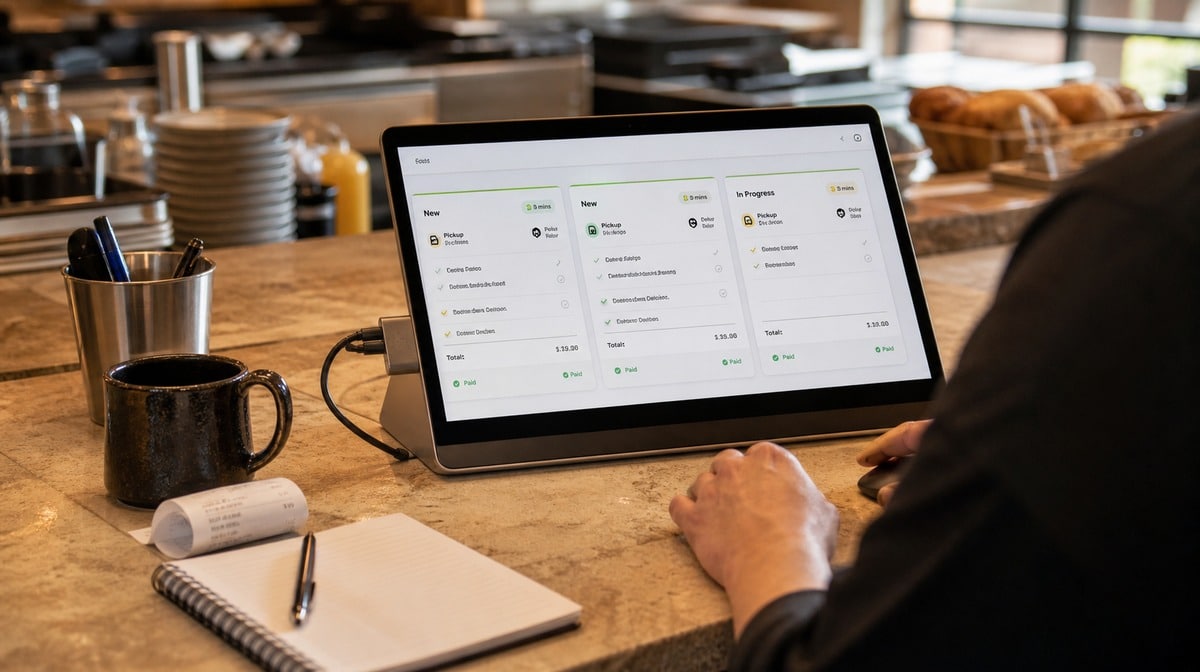
Convenience matters, but the operating detail behind it matters more. Customers should see the same item names, prices, modifiers, allergy notes, and availability on every channel. If a dish sells out, employees need a fast way to update the owned app and third-party food delivery platforms before another order is accepted. A simple channel checklist can prevent refunds, substitutions, and disappointed customers.
Mobile ordering can also boost customer spending because customers can easily add sides, beverages, service items, and customizable options. That advantage disappears if the menu is confusing or the checkout process is slow. Test the order flow regularly, limit unnecessary choices, make fees visible early, and measure abandoned carts, order errors, preparation time, average order value, and repeat purchase.
For a takeaway or delivery option, a business can use its own drivers or sign up with a third-party delivery platform such as Uber Eats, Glovo, or Deliveroo, depending on the market. The policy should define delivery radius, packaging, handoff verification, courier waiting areas, contactless delivery requests, refund authority, and responsibility for customer updates. Those decisions turn a sales channel into a manageable process.
Add Customer Incentives
Customer incentives work best when they are tied to a specific audience and a specific action. Loyal customers may respond to early access, a useful bundle, or a reward for ordering directly. New customers may need a low-risk first-order offer. Lapsed customers may respond to a personalized reminder about opening times, a returning favorite, or the operating and safety standards now in place.
A loyalty program should reward profitable behavior rather than distribute discounts without a purpose. Consider incentives for advance ordering, off-peak pickup, recurring office catering, higher-margin bundles, or direct orders that reduce marketplace commissions. Track redemption, average order value, purchase frequency, and contribution margin so that an offer can be improved or retired before it becomes an expensive habit.
Personalized emails and messages should contain information the customer can use, such as opening times, delivery areas, order deadlines, menu changes, and special offers. Segment the message instead of sending every promotion to every customer. A corporate event planner, a family ordering takeaway, and a regular on-premise guest do not have the same needs.
Consistency supports every incentive. Maintain the same branding, menu descriptions, photographs, pricing logic, and service promises across social media platforms, the owned app, and third-party delivery platforms. When customers see conflicting menus or offers, the promotion creates questions instead of confidence.
To win back customers who may have gone to competitors, focus on effective marketing that highlights genuine value. Offers on popular items, loyalty-driven price promotions, event packages, and clear minimum-order terms are easier to understand than a complicated coupon. Set an owner, start and end dates, eligible channels, and a post-campaign review for every promotion.
Rethink Your Menu
Customer habits, ingredient costs, labor capacity, and event formats change. Updating the menu and pricing is therefore an operating discipline, not a one-time response. Review what sells, what travels well, what creates waste, what slows the kitchen, and what customers repeatedly request.
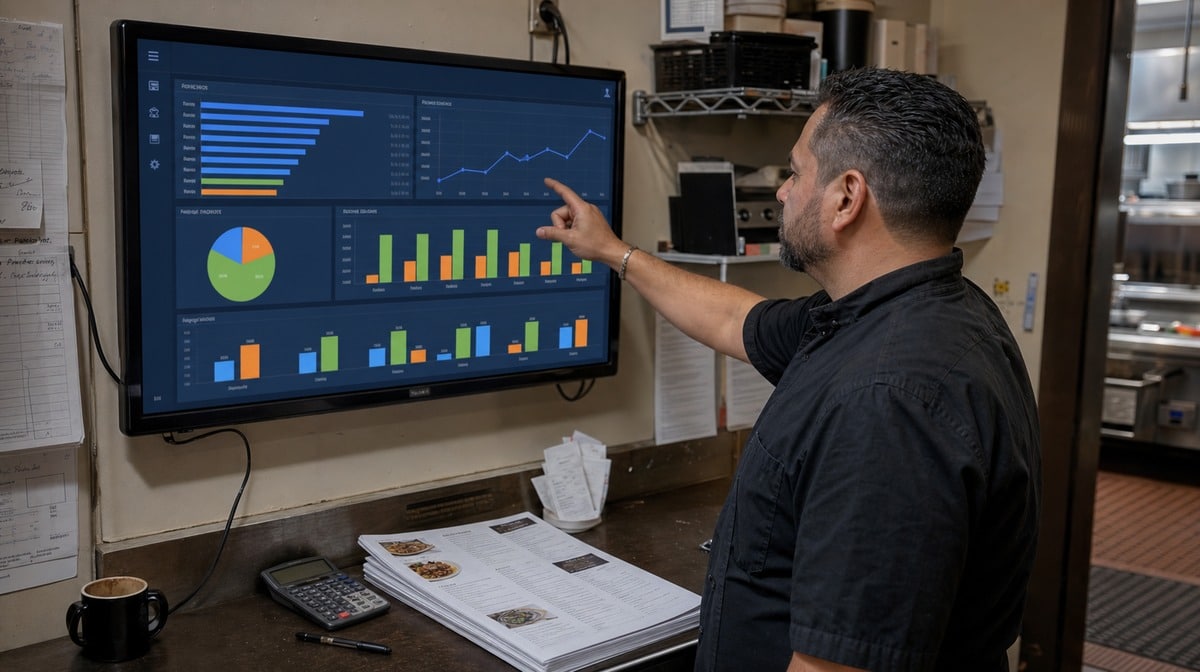
Start with item-level evidence. Compare sales volume, food cost, contribution margin, preparation time, delivery quality, refunds, and customer comments. A popular item may still be a poor choice if it causes delays or arrives badly. A lower-volume dish may deserve a place if it anchors a profitable catering package or serves an important dietary need.
Use the evidence to decide what to keep, improve, reprice, or remove. Reintroduce breakfast, fresh produce, unique foods, or old favorites when demand supports them. Test plant-based and paleo options when they fit the customer base, but do not treat any food trend as a universal answer. A limited pilot, a clear sales target, and a scheduled review are safer than a permanent menu expansion based on intuition.
Prices should remain competitive in the current market while covering the real cost of ingredients, packaging, platform commissions, labor, delivery, setup, and waste. Market value items clearly, then use relevant upselling rather than pressure. A family meal may pair naturally with sides and beverages, while an office catering order may need serving utensils, dietary labels, delivery windows, and setup options.
Menu changes must flow into purchasing, preparation, allergen controls, training, and channel listings. Before launch, confirm recipes, portions, substitutions, storage, labeling, packaging, photography, pricing, and employee instructions. This is how a new item becomes a controlled process rather than another exception for the kitchen to solve during service.
How Can You Adapt to New Challenges in the Catering Sector?
For restaurant businesses looking to thrive, adapting business policies is essential. Offering mobile ordering, implementing customer incentives, and rethinking the menu remain three practical ways to restore stability and stay ahead of the competition, but each works only when responsibilities, measures, and review dates are clear.
Review the three areas together every quarter and after any major menu, platform, supplier, or service change. Look for mismatches between what marketing promises, what customers can order, and what the kitchen can deliver. Then update the procedure, train employees, test the customer journey, and monitor the result.
The catering businesses that adapt well do not abandon their identity whenever the market changes. They preserve what customers value, refine the weak points, and make the new method repeatable.
Frequently Asked Questions
What Does Adapting to Catering Sector Challenges Mean?
It means updating ordering, payment, promotions, menu decisions, food-safety controls, and delivery procedures as customer needs and operating conditions change. The updates should be documented so employees can apply them consistently.
How Can Mobile Ordering Help a Catering Business?
Mobile ordering reduces friction, makes add-ons and customizable options easier to select, and supports pickup or delivery. It works best when prices, availability, and preparation rules stay consistent across every channel.
What Customer Incentives Are Most Effective for Restaurants?
Effective incentives match a customer segment and a profitable behavior, such as advance ordering, a direct purchase, an off-peak pickup, or a repeat catering order. Measure redemption, order value, frequency, and margin before repeating the offer.
How Should a Catering Business Rethink Its Menu?
Review item demand, food cost, preparation time, delivery quality, waste, dietary needs, and customer feedback. Keep, improve, reprice, test, or remove items based on evidence and operational capacity.
How Often Should Catering Policies and Menus Be Reviewed?
Review them at least quarterly and after a major change in the menu, supplier base, ordering platform, delivery model, safety requirement, or customer mix. Assign an owner and record the resulting updates and training.