How to Increase Employee Productivity: 10 Methods of Intangible Motivation

Disengaged employees drag a company down, but enthusiasm alone does not create reliable results. Employee productivity improves when people understand their purpose, know what they own, have useful tools, and can see how their work contributes to the organization. Gallup reported that 31 percent of United States employees were engaged in 2024, which makes the management environment too important to leave to chance.
The ten productivity methods below focus on intangible motivation and practical working conditions. They help managers increase employee productivity by diagnosing the root cause of weak performance, setting clear expectations, supporting employees, and improving results without assuming that more surveillance or a bigger bonus will solve every problem.
What Affects Employee Productivity?
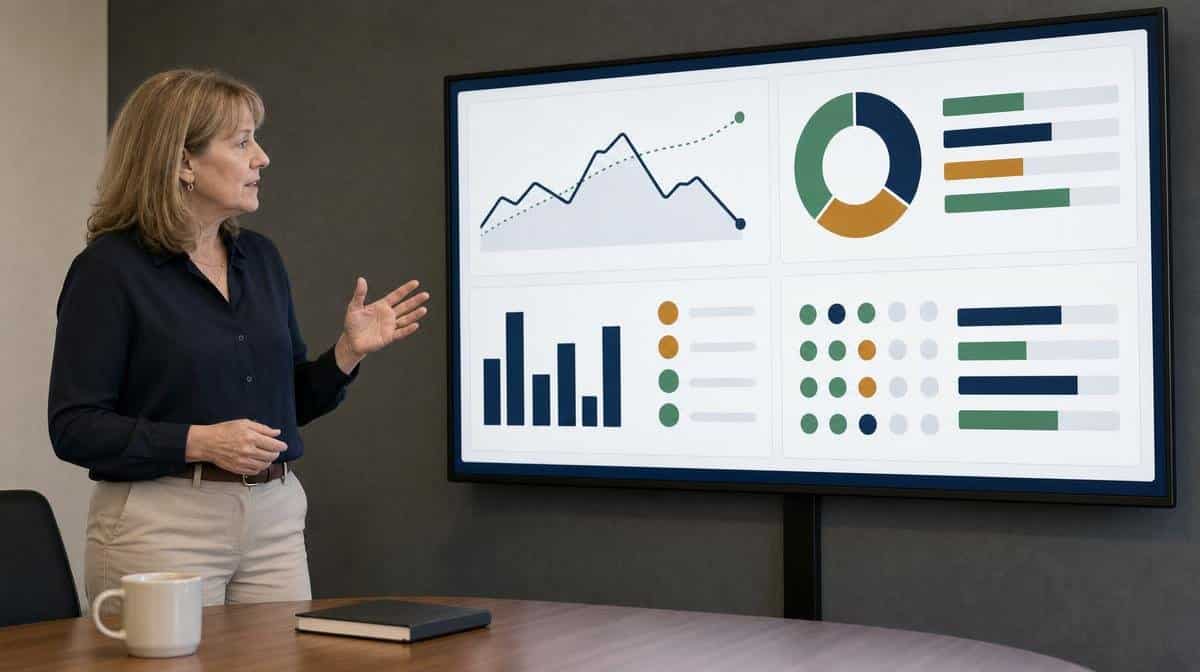
Employee productivity is the useful work a person or team completes in relation to the time, resources, quality standards, and responsibilities involved. High productivity is a common goal for managers, but it is not achieved by demanding that people work faster. Management must understand the conditions that help employees make sound decisions, complete assigned tasks, and maintain quality.
Start with the root cause of the problem. An employee’s performance pays dividends only when the employee:
- understands the responsibility and spheres of influence;
- understands the purpose of the work;
- knows the ways and methods of increasing the efficiency of the personnel’s work;
- is aware of who is responsible for a certain task; and
- has an opportunity to ask for help or consultation in case of problems.
Employee involvement is one influence on performance, but the work system matters just as much. Before treating a weak result as an attitude problem, look for operational barriers such as:
- the employee’s correct solution of assigned tasks is not noticed by coworkers or management;
- the leader sets unclear goals and tasks;
- employees tolerate an excessive workload;
- a single, unsuitable work schedule is used for departments dealing with different problems;
- a negative microclimate in the team;
- excessive control of employees;
- useless meetings and appointments; and
- constant bureaucratic procedures.
A systematic approach makes these causes visible. Combine rational planning with clear roles, reasonable capacity, useful feedback, and a practical support path. When performance remains weak, use an evidence-based plan to improve employee performance instead of jumping directly to discipline.
10 Ways to Improve Employee Productivity
Increasing productivity is a problem for many governments and businesses, but a comprehensive approach can improve it. The goal is not to squeeze more activity into every hour. It is to help employees make the right decisions quickly and efficiently, remove avoidable friction, and create conditions that support sustained work. The following methods complement other practical ways to improve productivity at work.
1. Monitor and Measure Staff Productivity
A productivity tracker software application can help a manager understand the personnel’s fulfillment of the work plan, but activity data is only one signal. Define the outcome, quality standard, deadline, owner, and customer impact before selecting what to measure. A high click count or long online presence does not prove that valuable work was completed.
Use the information collected by the productivity tracker to improve current performance, allocate support, and identify blocked work. Explain what is measured, why it matters, and who can see the result. Transparent measures support coaching; hidden surveillance weakens trust and can encourage employees to optimize visible activity instead of quality.
2. Improve Working Conditions
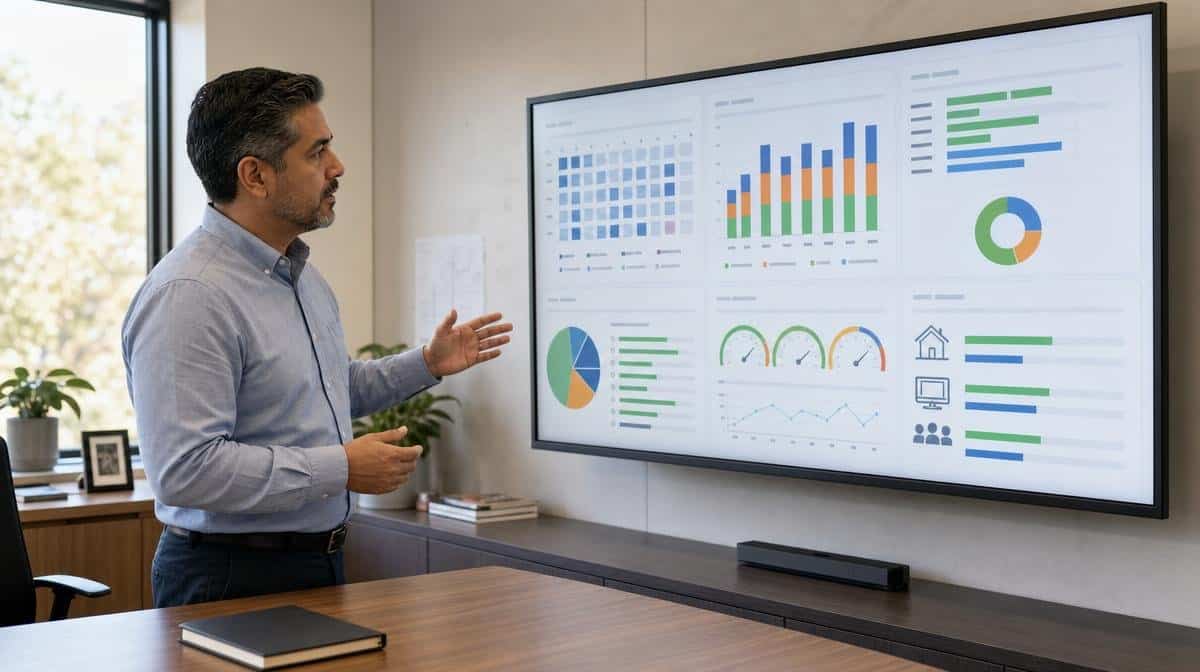
Working conditions include the length and timing of the working day, breaks, workload, schedule design, workspace safety, and the tools required to perform the job. Applicable federal, state, and local requirements differ, so managers should not treat one general rule as a complete labor policy. Clear policies should identify working hours, break practices, overtime approval, travel expectations, and who can answer questions.
Rest is always necessary. Short breaks, changes of posture, and time away from concentrated tasks can reduce fatigue, while an increased workload, working without breaks and days off, or repeated rush mode can erode judgment and quality. Work in rush mode may be acceptable in an unusual emergency, but it should not become the normal operating system.
Sometimes it makes sense to rearrange the work schedule. Flexible schedules and the ability to perform suitable tasks remotely can help departments manage different problems, but flexibility still needs coverage, ownership, and response-time expectations. Review workload and schedule fit with employees instead of assuming that one arrangement works for every role.
3. Use Intangible Motivation
Any employee needs to understand why a solved task matters to the interests of the organization. That context is especially important for beginners who are not yet confident about the correctness of decisions or the evaluation of results. Managers can provide intangible motivation through specific recognition, useful feedback, autonomy within clear boundaries, learning opportunities, and visible connection to a customer or company outcome.
Bonus payments and other material rewards can still matter, but they do not replace fair treatment or meaningful work. Pay practices must fit the role, employee classification, quality expectations, safety requirements, team outcomes, and applicable law. A manager who wants to motivate employee productivity should recognize sound judgment and contribution, not just hours logged or units produced.
4. Provide Good Tools
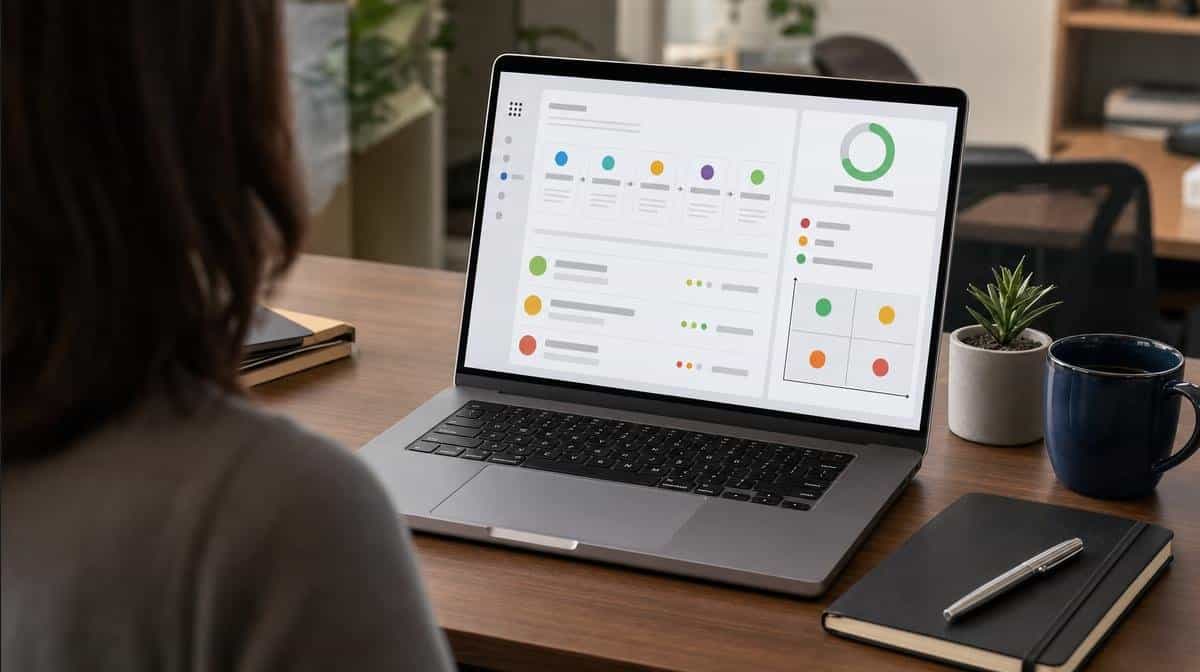
Businesses sometimes skimp on tools, using low-quality services and programs to get the job done. Unreliable online editors, slow systems, duplicate data entry, and under-developed features make routine work painful, especially for professionals who have used better tools before. That does not mean immediately buying every expensive technology on the market. Start small with reliable, fit-for-purpose modern IT tools and software.
Use this rough algorithm:
- Determine which department or employee needs improvement first.
- Consult directly with the employee and find out what tools will most improve the work.
- Choose the tool with the highest priority for the current constraint.
- Repeat the action while there is room for growth and improvement.
After implementation, check adoption, reliability, time saved, error rates, and support requests. A tool creates value only when it removes friction from a defined process.
5. Build Shared Team Values
Your organizational culture includes company values and a shared vision of the workplace. Create a short list of values employees can see in daily decisions, then make them concrete through team norms and rituals. The original examples can stay simple: smile at everyone, eat pizza every Thursday, or organize a Secret Santa before Christmas for employees who want to participate.
Little things can affect the mood and bring a team together, but the strongest values also guide difficult choices. Translate each value into a behavior, such as escalating a quality risk early, documenting a handoff, inviting a quieter colleague into a discussion, or helping another department resolve a customer problem.
6. Create a Comfortable Working Environment
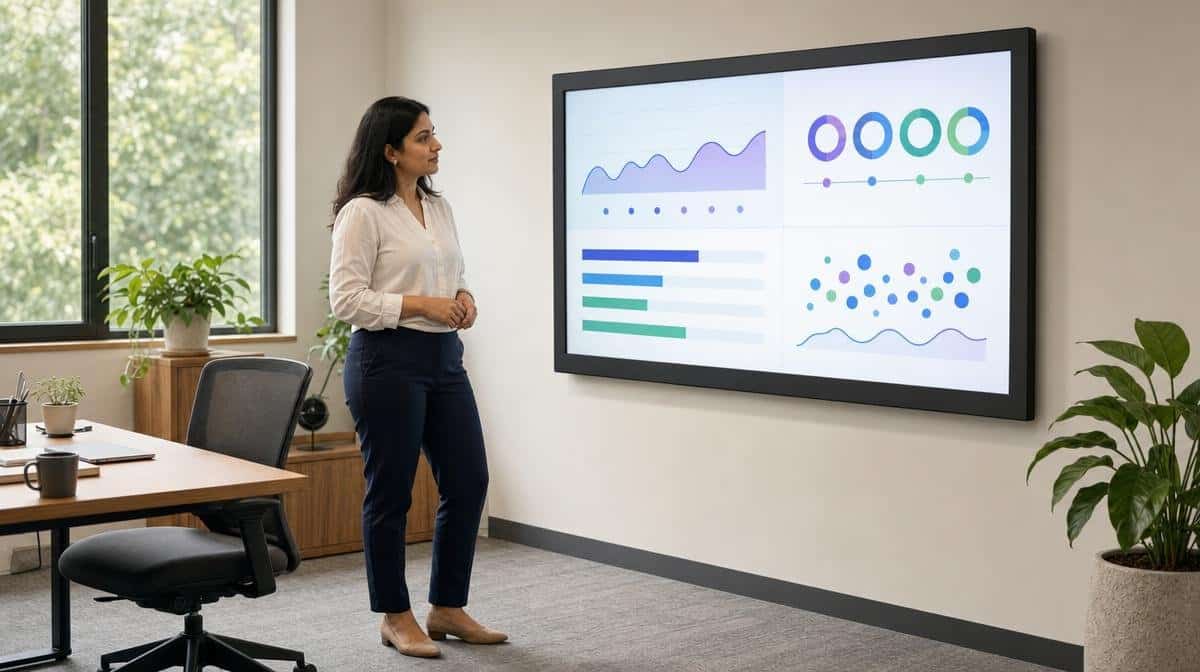
A comfortable chair, good lighting, room temperature, a water cooler, and plants can help employees feel more comfortable in the workplace. Details matter when an air-conditioning vent blows directly on someone’s back, a monitor creates glare, or a chair provides inadequate support. OSHA’s computer-workstation guidance offers practical ways to evaluate posture, component placement, lighting, ventilation, and opportunities to change position.
Comfort also extends to building an inclusive workplace where employees feel safe contributing to the company’s mission and vision. Inclusion is not limited to demographic diversity. It also means people can raise a concern, request an adjustment, ask for help, and participate without avoidable social or physical barriers.
7. Provide Recreation Alternatives
A recreation room, a living nook, or at least a spacious, bright kitchen gives employees a place to take their minds off the work process for a while. A break area does not need to be elaborate. It needs to be usable, clean, reasonably quiet, and separated enough from active work that people can reset before returning to a demanding task.
Managers can also make recovery socially acceptable by avoiding meetings during common meal periods, respecting time away from work, and encouraging employees to use the space. These practices complement other ways to reduce employee stress and boost productivity.
8. Use Courses, Seminars, and Training
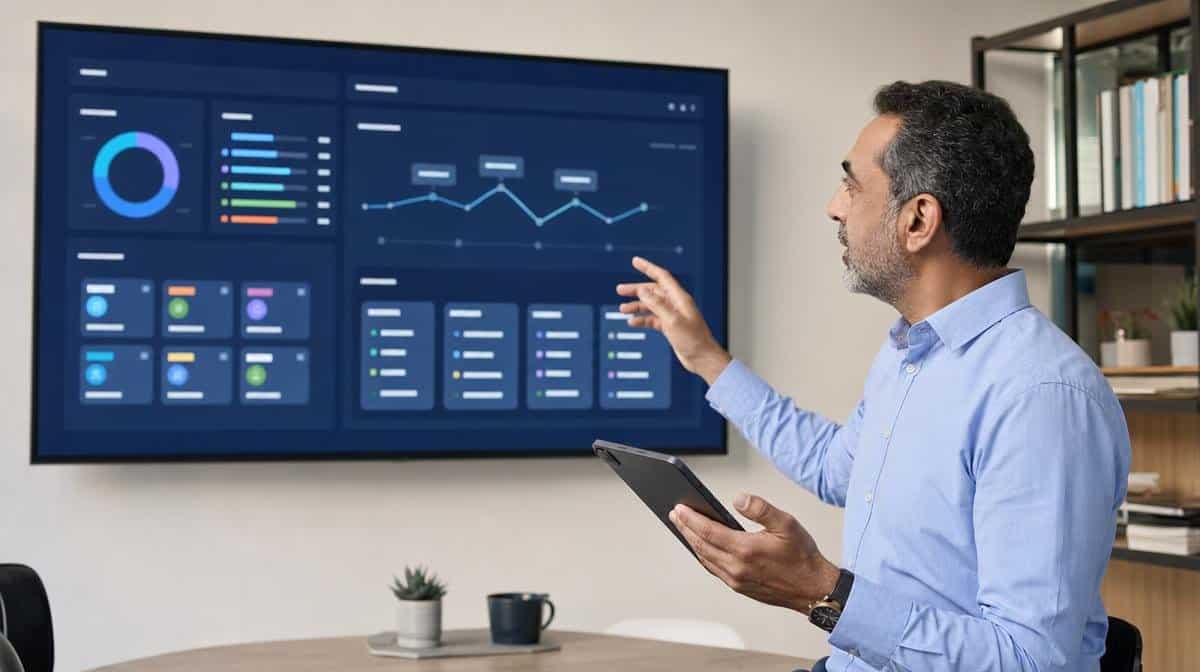
Create a good training program and let employees learn at the company’s expense. Strong employees often welcome new skills and experience, especially when training connects to a real responsibility or advancement path. Employer-funded learning is an intangible signal that the organization expects people to grow and is willing to support that growth.
Courses, seminars, coaching, job shadowing, and documented procedures should lead back to the work. Give employees time to practice, access to consultation, and a chance to apply the skill to an assigned task. In that case, the company gains more competent employees while giving them the tools to do the job better.
9. Introduce Balanced Productivity Metrics
If you are not using a KPI scorecard, start with a small set of personnel performance metrics tied to the role. To do this:
- figure out each employee’s key metrics;
- assess their importance to customers, quality, safety, cost, and team outcomes;
- set a realistic goal achievement rate;
- review whether the measure can be gamed or creates a harmful tradeoff; and
- recognize employees for meaningful achievement and improvement.
A monetary reward may be appropriate in some systems, but it should not be automatic for every measure. Use a balanced view so that speed does not crowd out accuracy, individual output does not undermine teamwork, and a short-term number does not hide a recurring process problem.
10. Use Visual Performance Scoreboards
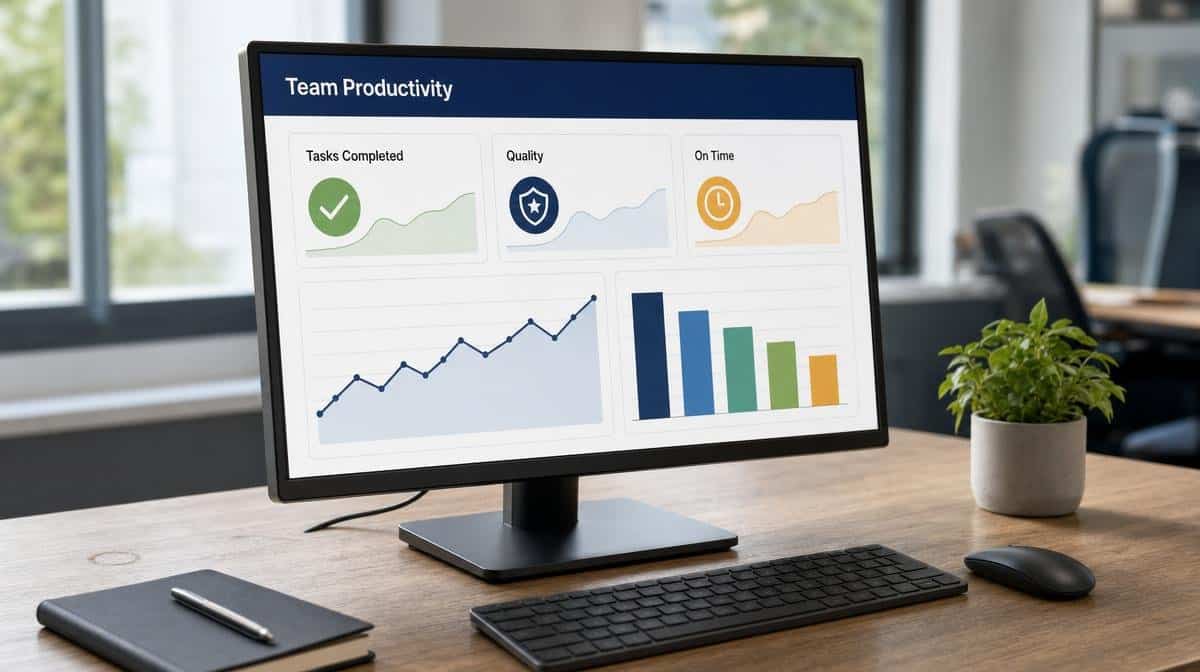
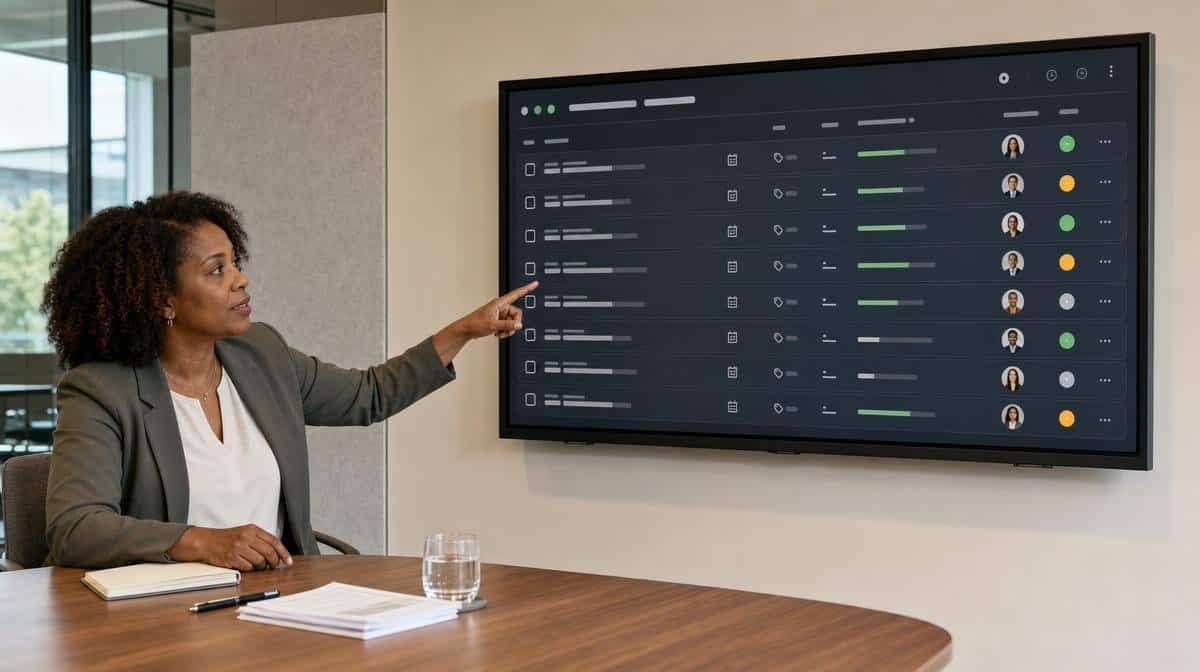
Let employees see their results. Visual statistics can take the form of homemade performance scoreboards with completed tasks for each employee or department, or electronic ratings using computer programs. A useful board shows the goal, current result, owner, trend, and next action without exposing private employee information.
The purpose is shared visibility, feedback, and problem-solving, not forced competition. Review the board in a short operating rhythm, ask what is blocking progress, and record the action management will take. When employees can connect measures to decisions and support, visual management becomes a practical motivation system rather than wall decoration.
How Can Managers Sustain Employee Productivity?
Employees are a key mechanism in company performance, but productivity is a property of the work system as well as the individual. Managers sustain it by clarifying purpose, assigning responsibility, improving working conditions, providing useful tools, supporting development, recognizing contribution, and reviewing balanced results.
No single method works in isolation. Use a systematic approach, listen to the people doing the work, and fix the constraint that prevents a capable employee from completing a valuable task. Intangible motivation becomes credible when daily management decisions reinforce the same purpose and expectations.
Frequently Asked Questions
What Affects Employee Productivity?
Employee productivity is affected by role clarity, purpose, workload, tools, working conditions, training, recognition, management support, and the quality of performance measures.
How Does Intangible Motivation Improve Productivity?
Intangible motivation gives employees purpose, recognition, autonomy, feedback, and development opportunities. These conditions can strengthen commitment without relying only on bonuses or other material rewards.
Why Do Working Conditions Matter?
Working conditions affect comfort, fatigue, concentration, safety, and access to the tools needed for a task. Schedule design, workload, lighting, temperature, posture, and break practices can all influence sustained performance.
How Can You Measure Productivity Without Excessive Control?
Measure outcomes, quality, deadlines, customer impact, and process constraints. Explain each metric, limit access to appropriate people, and use the result for coaching and improvement instead of hidden surveillance.
How Do Training and Recognition Work Together?
Training gives employees the skills and methods needed to perform, while recognition confirms that sound judgment and contribution are noticed. Together they support competence, confidence, and continued improvement.