Is UAE Foreign Ownership Permitted? Can You Own a Business in the UAE?
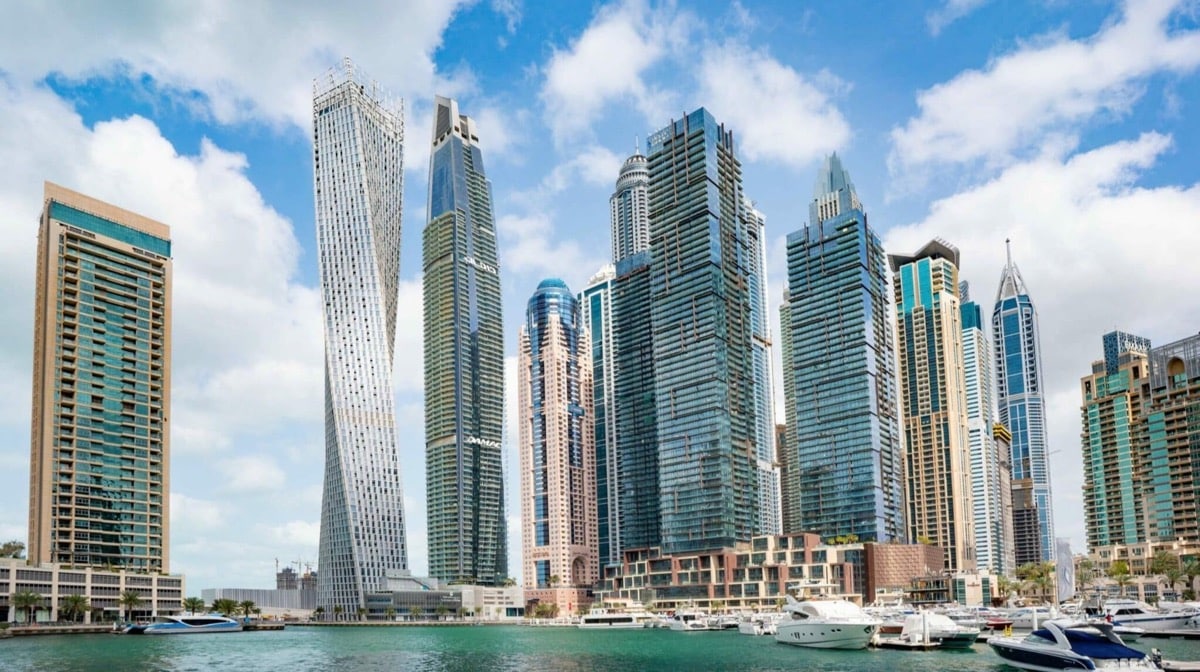
Is UAE foreign ownership permitted? Yes. Foreign investors may own 100 percent of many UAE mainland companies, but the exact result depends on the licensed activity, the emirate, the legal form, and any strategic-impact conditions. Official UAE ownership guidance
Before you start a business startup, confirm whether the company will operate on the mainland or in a free zone, then verify the activity and ownership conditions with the relevant licensing authority. This article explains the UAE foreign ownership amendment, the remaining restrictions, free-zone considerations, and the practical setup sequence.
Everything You Need to Know About UAE Foreign Ownership
The central rule is more open than it was before the reform, but it is not a universal approval for every company. The UAE Commercial Companies Law removed the former default that required UAE nationals to hold at least 51 percent of an onshore company. Federal Decree-Law No. 32 of 2021 is the current UAE Commercial Companies Law framework. Official Commercial Companies Law
The UAE has long been considered one of the leading places in the world for foreign investment. The foreign ownership amendment made the market more accessible to foreign investors and entrepreneurs, including people who want to create or invest in an onshore company. It also reduced the additional complexity that came from finding an Emirati shareholder solely to satisfy the former ownership rule.
Foreign investors should treat the ownership percentage as one part of a wider licensing decision. The competent authority may apply conditions based on the business activity, the legal form, the emirate, and the responsible regulator. This is why two businesses with similar owners may receive different requirements.
The UAE Foreign Ownership Amendment
The foreign ownership amendment began changing the mainland company rules under the 2020 decree, and the updated framework was consolidated in Federal Decree-Law No. 32 of 2021. The reform made 100 percent foreign ownership possible across a broad range of economic activities and removed the old 51 percent Emirati shareholding default for eligible companies.
The law also supports single-shareholder entities. A single natural or legal person may incorporate and own a limited liability company, subject to the provisions that apply to limited liability companies. Ministry investment FAQ
Foreign Investors in the UAE
Foreign investors can now start, own, and manage many mainland businesses without an Emirati shareholder. That change can simplify control, governance, and future investment, but it does not replace the trade licence or regulator approvals. Use startup financial preparation to test the capital, operating, and documentation needs before incorporation.
For savvy investors and entrepreneurs, full ownership can make it easier to acquire shares, choose managers, and make strategic corporate decisions. Investors still need to understand the landscape and local procedures because ownership permission does not remove legal requirements, company documentation, or activity-specific controls.
Foreign Investment in the UAE
Industrial and trading businesses, hospitality, food and beverage, retail and wholesale, repair and maintenance, manufacturing, transport, storage, research laboratories, and biotechnology may be eligible for full foreign ownership when the selected activity appears on the applicable authority’s list. The exact permitted activity matters more than a broad industry label. A manufacturing business, for example, should verify both its licence activity and any separate industrial approval while planning manufacturing efficiency.
Foreign investment may also cover growing economic activities such as solar panels, green technology, and hybrid power plants when the precise licence and regulatory conditions allow them. These examples show why an investor should check the current activity code rather than assume that a broad sector description guarantees approval.
Permitted Business Activities in the UAE
Each emirate’s competent authority identifies the activities it will license and the conditions attached to them. Dubai, Abu Dhabi, and the other emirates maintain their own activity and licence systems, so an activity available in one jurisdiction may have different approval steps in another. Confirm the exact activity code rather than relying on an old list or a general description.
Permitted activities can include the majority of industrial and trading business sectors, the hospitality and food and beverage sectors, retail and wholesale trading, repair and maintenance services, and manufacturing across multiple industries. Transport and storage may also permit 100 percent ownership, allowing foreign nationals to invest in supply chain, logistics, cold storage, and e-commerce transport. In the sciences, eligible activities may include research laboratories and work in biotechnology.
Keep in mind that permitted activities can be revised and updated at any time. It is crucial to monitor these changes if you are considering opening or investing in a business.
Activities outside the strategic-impact framework can still require approvals from another government body. Financial services, telecommunications, employment services, transport, health, education, media, and other regulated fields may involve a sector regulator even when foreign ownership is available.
Restricted Business Activities in the UAE
The strategic-impact list covers security and defence, military activities, banking, exchange, financing, insurance, currency printing, telecommunications, Hajj and Umrah services, Holy Quran memorisation centres, and fisheries-related services. Official strategic-impact guidance
These activities are not all treated as a single blanket prohibition. For most strategic-impact categories, the relevant regulator can set the permitted foreign and national ownership percentages, board participation, and other licensing conditions. Fisheries-related services are identified by the Ministry as reserved for 100 percent UAE national ownership. Applications for strategic-impact activities go through the Department of Economic Development in the relevant emirate and then to the responsible regulator.
As each emirate is authorized to decide on its permitted activities and licensing conditions, there can be a difference in what is allowed. Abu Dhabi and Dubai, for example, may apply different activity descriptions, approvals, fees, guarantees, capital requirements, or regulator steps. Check the current local authority record for the exact activity instead of relying on a comparison that may have changed.
A local agent is not a universal requirement. A foreign-company branch does not generally require a UAE national agent under the current guidance, while a local service agent agreement may still apply to a particular legal form or activity. Verify this point for the selected company structure instead of assuming that ownership and agency rules are the same.
UAE Free Zones
Free zones remain a separate setup route even though many mainland companies can now be fully foreign owned. Each free-zone authority determines the legal forms, activities, premises, fees, and licence requirements it offers. The best fit depends on where customers are located, whether goods or services will enter the mainland, the required facilities, and the activity supported by that authority.
The UAE is home to several free zones, which are areas where foreigners can own 100 percent of their businesses when the activity is permitted. These free zones were previously the default location for many foreign companies looking to invest or trade within the UAE. They can still offer specialized facilities, industry clusters, and authority-specific services even though eligible mainland businesses can also have full foreign ownership.
A free-zone company may trade within its free zone and internationally, while access to the UAE mainland market is regulated. Official free-zone operating guidance
Do not choose a free zone simply because 100 percent foreign ownership is available. Compare the issuing authority, permitted activity, office or warehouse needs, customs position, mainland access, employment process, and total renewal obligations with the mainland alternative.
Starting a Business in the UAE
The mainland setup process starts by identifying the business activity and legal form, then continues through licensing, trade-name registration, initial approval, documents, premises, and any additional government approvals. Official mainland setup steps
There are many things to consider before you can start a business in the UAE. A professional who deeply understands local procedures can help build a comprehensive step-by-step plan, provide project management support, and advise on the resources and connections needed to handle legal requirements and documentation. The professional’s advice should still be checked against the licensing authority’s current requirements.
You may also benefit from UAE business setup services related to immigration and employment laws, licensing laws, translation services, and company formation. Ask for written advice on corporate sponsorship decisions, corporate services, premises, visas, employment files, and the documents that must be submitted to each authority.
Can You Own This UAE Business?
Use this high-level decision checklist before you submit a licence application:
- Choose the jurisdiction. Decide whether the business needs a mainland or free-zone licence.
- Name the exact activity. Match the planned work to the authority’s current licensed activity code.
- Check strategic impact. Determine whether a federal regulator controls the activity or ownership percentage.
- Select the legal form. Confirm that the entity type supports the owners, liability, and planned activity.
- Identify the competent authority. Use the Department of Economic Development for the relevant emirate or the selected free-zone authority.
- Confirm agent requirements. Ask whether the chosen form or activity requires a local service agent or another local arrangement.
- Collect extra approvals. Check the responsible regulator before treating an initial approval as permission to operate.
- Prepare the operating file. Align licensing, immigration, employment laws, premises, documentation, and internal policies and procedures.
Result: You should have a confirmed activity, ownership percentage, legal form, issuing authority, approval path, and document list. This checklist is a planning aid, not legal advice or a licence approval.
A UAE-based corporate-services or legal adviser can help interpret local procedures, but the licensing authority remains the source of truth for the application. Ask the adviser to document the activity code, ownership rule, legal form, approvals, government fees, premises requirement, immigration path, employment file, and renewal obligations.
UAE Foreign Ownership
UAE foreign ownership is permitted across many mainland and free-zone business activities. The practical answer is not only whether 100 percent ownership is available, but whether the exact activity, legal form, jurisdiction, and regulator allow the company you plan to operate. Verify those items before signing premises, appointing service providers, or committing capital.
The foreign ownership amendments remain important for investors worldwide because they can facilitate a more direct route to company ownership. The opportunity is strongest when the investor combines ownership eligibility with a realistic business plan, strong project management skills, current legal advice, and complete licensing documentation.
Frequently Asked Questions
Can a foreigner own 100 percent of a mainland UAE company?
Yes, a foreign investor can own 100 percent of many mainland companies when the activity, legal form, emirate, and licensing conditions permit it.
Which UAE activities can have special ownership conditions?
Strategic-impact and other regulated activities can require a regulator to approve the ownership percentage, board participation, and licence conditions.
Can one foreign owner form a UAE limited liability company?
Yes, one natural or legal person may own an LLC, subject to the rules for that legal form and the selected licensed activity.
Is a mainland company or a free-zone company better?
Neither route is automatically better. Compare customer location, mainland access, permitted activity, premises, issuing authority, approvals, and renewal obligations.
Does 100 percent ownership remove every local-agent requirement?
No. Ownership and agency are separate questions, and a local service agent or another arrangement may still apply to a particular legal form or activity.
Documented contributor: Naresh Manchanda, an executive at MBG Corporate Services, contributed the article’s underlying UAE business perspective. Current official UAE sources support the legal framework presented here.