Growing Your Workforce with Veteran-Friendly Policies

Most hiring managers say they value military experience, yet ex-military candidates are still passed over far more often than their records justify. Ask yourself a harder question: if your job postings, interviews, and onboarding were built without veterans in mind, would a transitioning service member ever recognize a place for themselves on your team? For many companies, the honest answer is no, and that gap is exactly where veteran-friendly policies earn their keep.
Veteran-friendly policies turn growing workforce demands into a hiring advantage rather than a recruiting headache. They give you a structured way to attract, hire, support, and retain people who already know how to lead, solve problems, and operate under pressure. This guide walks through what these policies are, why they matter for hiring, and the specific onboarding, support, and skills-translation practices that make them work.
What Are Veteran-Friendly Policies?
Veteran-friendly policies are the written recruitment, hiring, and human resource practices a company adopts to attract military veterans, place them in the right roles, and support them throughout their careers. They cover how you advertise openings, how you translate military experience during screening, how you onboard new hires, and how you accommodate the specific needs of disabled veterans and their families.
These are not one-off goodwill gestures. They are durable, documented standards that sit alongside the rest of your hiring playbook, so that good intentions survive turnover on your recruitment team. When growing workforce capacity is the goal, the veteran market remains a goldmine of untapped human resource potential, one that you can only reach with policies designed to welcome it.
Why Do Veteran-Friendly Policies Matter for Hiring?
The numbers tell the story. There are roughly 22 million veterans in the United States, and they make up a deep, experienced pool of talent. Yet veterans are about 11 percent more likely to apply to a job and 62 percent less likely to land the position, according to widely cited recruiting research. Many who do get hired are underemployed, with employers never taking advantage of their specialized training and leadership skills.
This is not a story of veterans not trying. It is a story of systems that were never built for them. The U.S. Department of Labor and the Bureau of Labor Statistics track veteran employment closely, and the federal data on the employment situation of veterans shows that labor-force participation and outcomes shift sharply by age, service era, and disability status. If you are serious about growing your workforce, building policies around those realities is what converts a sympathetic hiring goal into actual hires.
How Do You Invest in Onboarding and Career Development for Veterans?
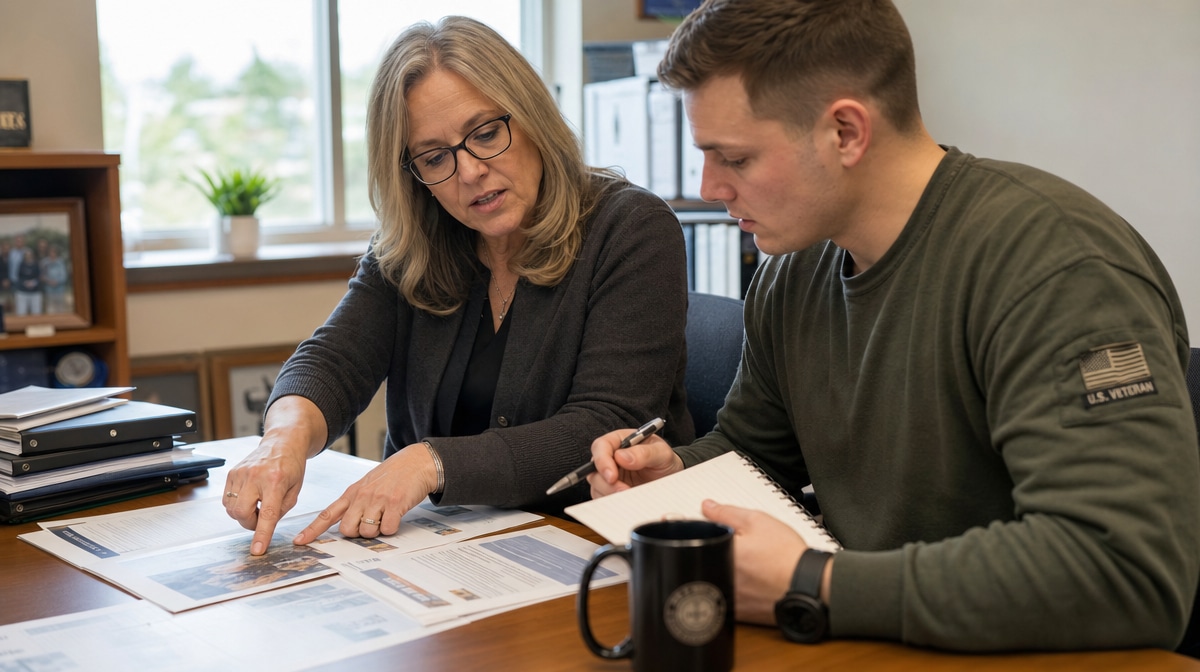
There is no shortage of organizations that help veterans find work after leaving the military, and private-sector employers like Bank of America and Comcast have publicly committed to hiring ex-military personnel. The harder problem starts after the offer letter. Research by Syracuse University’s Institute for Veterans and Military Families and VetAdvisor found that between 60 and 80 percent of veterans leave their first civilian job before their second work anniversary.
One of their top reasons for leaving is the lack of career progression and development. As a manager and employer, you can tackle this directly through your onboarding and development policies.
Start With Personalized Introductory Workshops
Build introductory workshops and courses that cover organizational norms, company culture, and the hierarchy of information a new hire needs to navigate. Service members are used to clear structures and chains of command, so spelling out how decisions get made and where to find answers shortens the time to productivity.
Create Veteran Resource Groups
Following recommendations from The Veteran Jobs Mission, many companies benefit from veteran resource groups or in-office resource centers where veterans can access information on career learning opportunities, grants for further studies, and transition courses. These groups also give veteran hires a built-in community that understands their background.
Build Mentoring and Education Links
Set up links with local education institutions and colleges that offer veteran programs, and pair every veteran hire with on-the-job mentoring. A clear development path is one of the strongest retention tools you have, and it signals that the company sees a long future for the person, not just a seat to fill. The same investment that retains veterans tends to increase productivity among employees across the rest of your team.
How Should Policies Support Disabled Veterans?
A meaningful share of veterans carry a service-connected disability rating from the Department of Veterans Affairs, and post-9/11 veterans report higher disability ratings than prior generations. Thousands more live with conditions that are undiagnosed, including post-traumatic stress. Supporting these needs is essential not only to retaining veteran employees, but to recruiting them in the first place.
Offer Dedicated Mental Health Support
Dedicated mental health coverage, including access to onsite or virtual counselors, is a strong starting point. Pair it with access to qualified experts who can help employees understand impairment ratings, compensation categories, and the benefits they have earned. The VA’s own veteran careers and employment resources are a reliable reference point your HR team can share without overstepping into medical advice.
Connect Families to External Resources
Qualified experts can also point ex-military employees and their families toward external resources, from healthcare programs to financial counseling. Documenting these referrals in your policy means a manager never has to improvise support during a difficult moment.
How Do You Translate Military Skills to Civilian Roles?

One of the most persistent barriers in veteran employment is the difficulty of translating military skills and experience into civilian job roles. Correcting this starts with educating your recruitment and human resource professionals on how to convert the functions of military roles into your organization’s terms.
Use Job Analysis and Skills-Translation Tools
Online job analysis tools make this far easier than it used to be. The O*NET military crosswalk maps military occupation codes to civilian careers, and Google’s military skills translation work, covered by the Society for Human Resource Management, helps recruiters connect service experience to open requisitions. Bake these tools into your screening policy so every recruiter uses them consistently.
Partner With Military and Government Programs
Military base community centers can match veteran job seekers with suitable openings, and the Department of Labor’s Veterans’ Employment and Training Service publishes employer guidance on hiring and supporting veterans. Building these partnerships into policy gives your recruiters a reliable pipeline rather than a one-time outreach effort.
What Should Veteran-Friendly Recruitment Policies Include?
With company growth comes a natural demand for more hands, and the veteran job market can answer a large part of that demand. To attract the right talent, the supporting policies have to be in place before the first job advertisement goes out. At a minimum, veteran-friendly recruitment policies should spell out inclusive job descriptions, a skills-translation step in screening, structured onboarding, defined development paths, disability accommodation standards, and named community and government partnerships.
Written down and applied consistently, these standards do more than fill open seats. They build a reputation that brings veterans to you, and they give every hire a clear path to grow. That is how veteran-friendly policies turn a sincere hiring intention into a workforce strategy that lasts.
Frequently Asked Questions
What Are Veteran-Friendly Policies?
Veteran-friendly policies are documented recruitment, hiring, and human resource practices designed to attract military veterans, place them in suitable roles, and support their careers. They address job advertising, skills translation, onboarding, career development, and accommodations for disabled veterans.
Why Should a Company Hire Veterans?
Veterans bring leadership, discipline, and problem-solving experience that is hard to find in the open market. With roughly 22 million veterans in the United States and many underemployed, they represent a large pool of talent for a company that is growing its workforce.
How Do You Retain Veteran Employees?
Retention improves when veterans see a clear path forward. Structured onboarding, veteran resource groups, on-the-job mentoring, and defined development opportunities address the lack of career progression that drives many veterans to leave a first civilian job early.
How Can Employers Support Disabled Veterans?
Employers can offer dedicated mental health coverage, onsite or virtual counselors, and access to experts who help employees understand their benefits. Connecting veterans and their families to external resources, including Department of Veterans Affairs programs, rounds out the support.
How Do You Translate Military Experience to Civilian Jobs?
Use job analysis tools such as the O*NET military crosswalk and Google’s military skills translation work to map military occupation codes to civilian roles. Training recruiters to read military experience, and partnering with military base community centers, closes the translation gap.