What Will Trade Show Look Like in the Future?
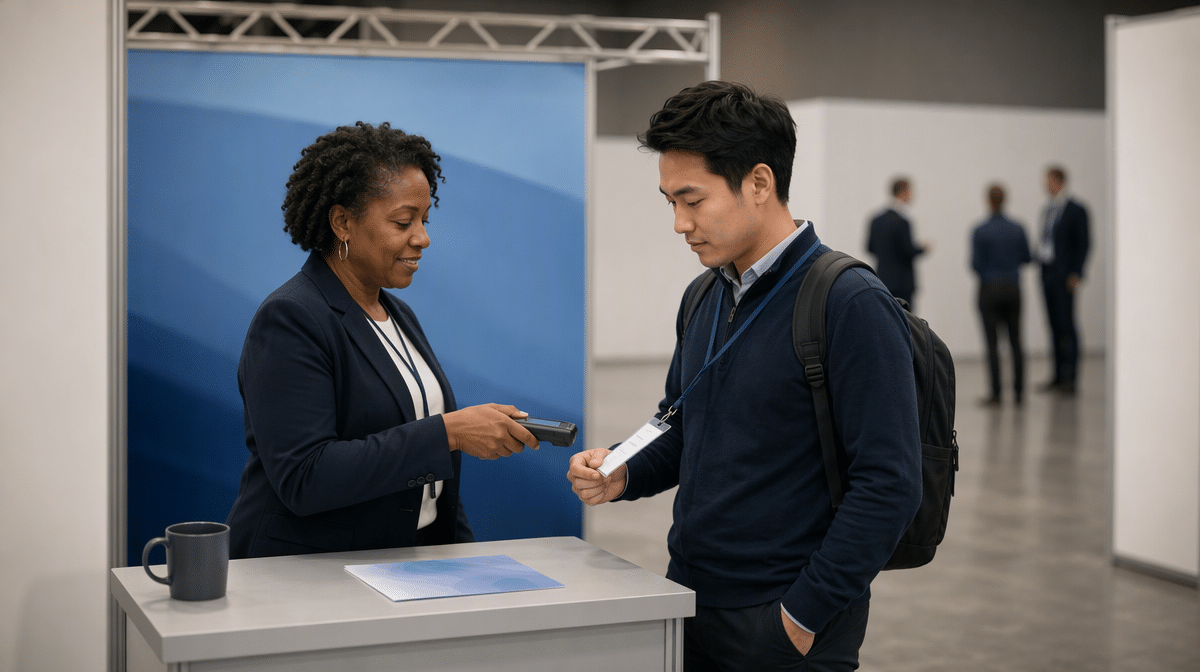
Trade shows still bring buyers and sellers into the same place, but the event around that meeting has changed. Attendees now expect easier access, useful technology, focused programming, and a clear reason to spend time away from their businesses.
What will a trade show look like in the future? It will be more flexible, more measurable, and more connected before and after the exhibition hall opens. Physical booths and face-to-face conversations will remain important, while hybrid access, digital content, regional events, and better follow-up will extend the value of each gathering.
What Is a Hybrid Trade Show?
A hybrid trade show combines an in-person exhibition with digital access for people who cannot or do not need to be at the venue. The digital portion may include streamed presentations, recorded sessions, exhibitor profiles, appointment scheduling, product demonstrations, or an online community that stays open after the physical event ends.
Hybrid does not have to mean broadcasting every booth and conversation. A planner may stream the strongest speakers, offer remote buyer meetings, and publish selected demonstrations on demand. The right mix depends on the audience, the value of in-person networking, the cost of production, and the results exhibitors and sponsors expect.
The distinction matters because a trade show is not only a conference with cameras. Exhibitors need ways to show products, answer detailed questions, identify serious buyers, and record what each contact wants next. A hybrid plan should protect those commercial activities while giving remote participants useful access instead of a passive video feed.
Trade Show Predictions for the Future
The trade show industry involves much more than buyers and sellers. Hotels and convention centers host these events, food services provide refreshments and meals, exhibitors build displays, speakers deliver educational programs, and local businesses support visitors. The Events Industry Council’s global economic-impact study shows why business events and trade shows continue to matter to commerce, employment, and destination economies.
Trade shows will continue because businesses still need to demonstrate products, exchange ideas, compare solutions, and build connections. The format will keep changing, however, as planners learn which parts belong in a hall, which parts work online, and which activities should continue throughout the year.
Hybrid Trade Shows Become Common
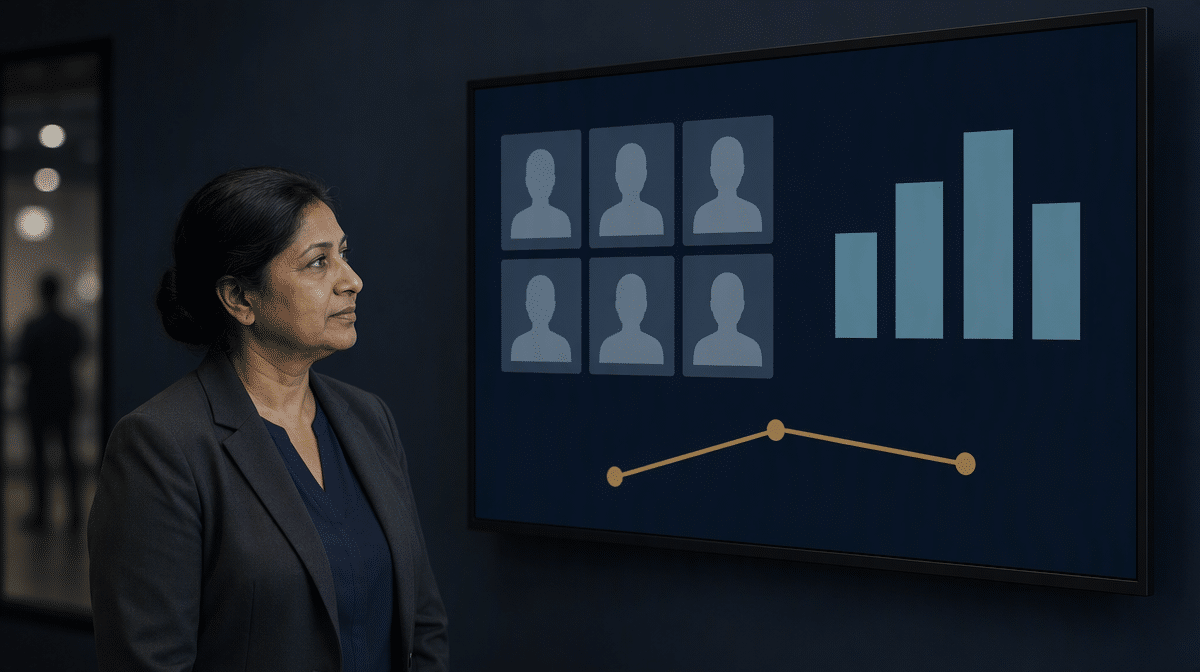
Hybrid trade shows will remain useful when they solve a real access problem. A virtual option can bring in consumers and businesses that may not have attended in person because of distance, schedules, travel budgets, disability access, or limited staff coverage. It also gives an exhibitor a way to attract new customers before asking them to commit to a trip.
The most effective hybrid design gives each audience an experience suited to its setting. Remote attendees might join selected sessions, schedule short meetings, download product material, and watch demonstrations. People at the venue can use the same digital agenda and profiles while gaining the spontaneous conversations and product contact that are difficult to reproduce online.
For smart trade show planners, the virtual option makes selected programming more accessible to virtual participants and makes attending virtually easier. It also helps exhibitors take advantage of material and speakers that are already available, rather than producing an entirely separate event.
Planners can use event registration technology to learn what each audience wants, manage appointments, and keep communication in one place. Virtual participants who find value in the program can then become future in-person attendees, while an on-site visitor can revisit recorded material after returning to work.
That wider access also changes how an event is marketed. Instead of selling one registration type to everyone, an organizer can offer a hall pass, a conference program, a remote-content pass, or access to specific appointments. Clear choices help attendees understand what they will receive and prevent the digital option from feeling like a reduced copy of the physical event.
Role of Technology in Trade Shows Grows
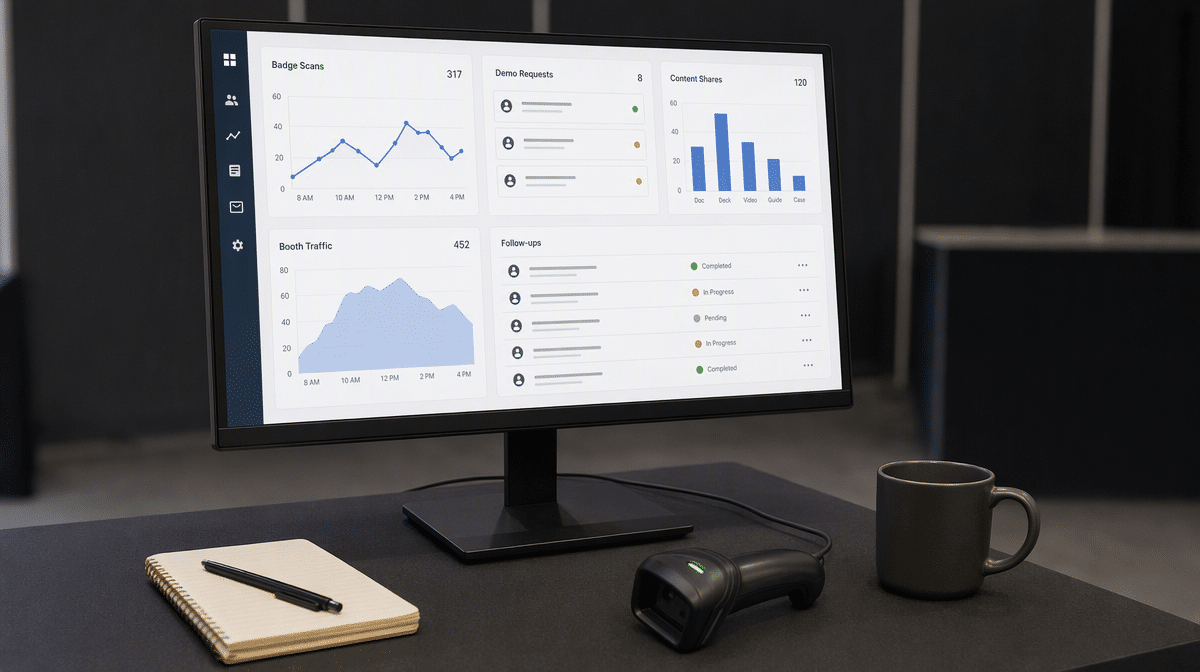
Information technology is changing business, and it will play a larger role in trade shows. Mobile check-in, QR or RFID badge scanning, event apps, lead-retrieval tools, and appointment systems can reduce administrative friction while giving attendees a more organized experience.
No-contact badge scanners and sign-in procedures are now practical parts of event operations, not temporary substitutes. They can shorten lines, improve attendance records, and give the team better information for follow-up.
Displays will also include more electronic material alongside physical swag. Exhibitors can share coupons, gift cards, specifications, demonstrations, and follow-up resources directly to an attendee’s phone. A useful system records what the person requested and routes that interest to the right sales or service owner instead of leaving a stack of business cards for someone to sort after the event.
Technology should support a conversation, not become the attraction by itself. Booths can send demos and displays to attendees’ phones while providing interactive experiences, but that does not make traditional displays extinct. Vendors still need attractive retail displays and fixtures to draw the eye and help people understand what is being offered. Digital displays can get lost in the noise, and a screen that is difficult to see from several viewpoints will not replace a clear physical demonstration.
The larger change is measurement. The Events Industry Council’s analysis of evolving event business models describes a more adaptive ecosystem shaped by digital engagement, personalization, and data. Planners and exhibitors can compare registrations, booth visits, session attendance, content requests, qualified leads, and follow-up activity, then use those results to improve the next event.
Speakers and Presenters Become More Important
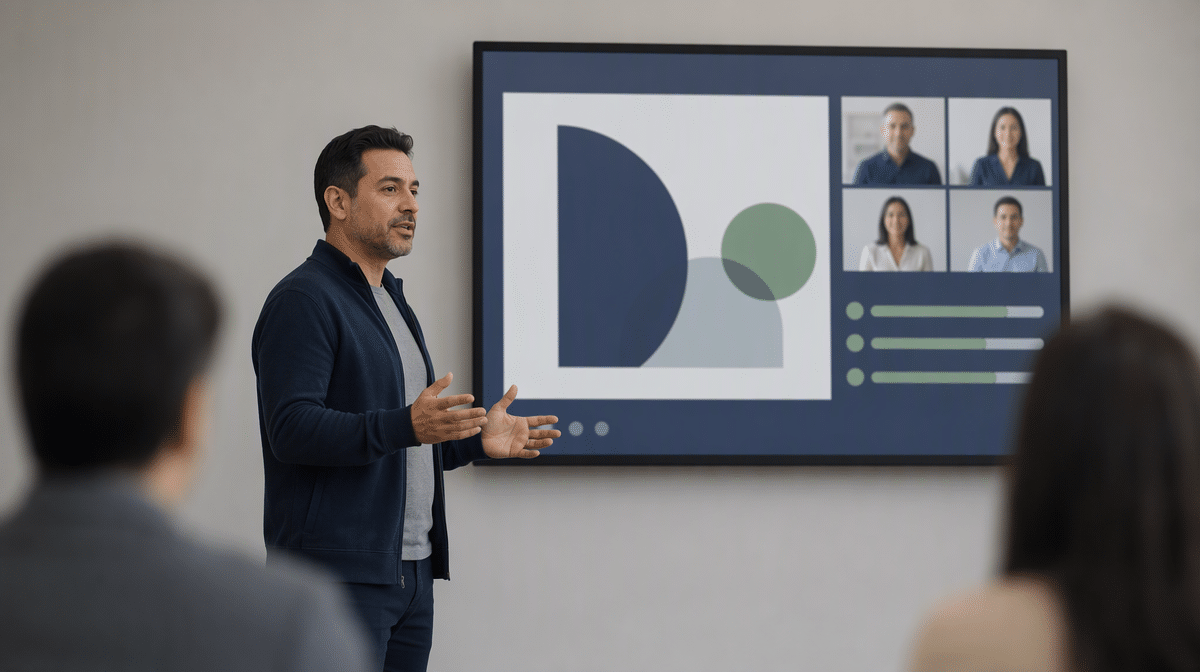
When you have a hybrid trade show, the virtual event experience is not the same as attending in person. A remote attendee cannot walk through the hall, notice an unexpected booth, or begin a conversation in the refreshment line. This barrier can make people less likely to register unless the program offers clear value on its own.
Dynamic speakers and presenters can create that value. A useful presentation may be delivered to the room and shared online at the same time, then made available on demand. Moderated questions, polls, structured matchmaking, appointment rooms, and post-session discussion can make networking more deliberate for virtual participants rather than treating them as viewers on the edge of an in-person event.
Anything that can be combined for virtual and in-person attendees can make planning easier, control duplicated production costs, and create a shared experience. Trade shows are about building connections and getting leads. Strong programming gives people something specific to discuss, helps an exhibitor generate B2B leads, and gives the event useful material that can continue working after the final session.
When the same presentation reaches both groups, it can keep costs down and create more of a shared and communal experience for everyone.
Presentation design should account for both audiences from the start. A speaker needs readable slides, clear audio, a moderator who can bring remote questions into the room, and a defined way for attendees to continue the discussion. Recording permission, captioning, content ownership, and release timing should be settled before the session rather than improvised afterward.
More Smaller Local Trade Events
Large destination shows will continue, but more organizers may use smaller events to reach focused groups of local vendors, buyers, and partners. A regional event reduces the time and cost of travel, makes attendance easier for small teams, and allows the program to address local regulations, supply chains, labor markets, and customer needs.
Smaller does not have to mean less valuable. A tightly selected audience can produce better conversations than a crowded hall where most visitors are not relevant to an exhibitor. Regional partners, trade associations, training providers, and local venues can help an organizer create a practical program with enough scale to support demonstrations and networking.
This format can also complement a national event. A planner may use one large annual gathering for broad visibility, several local events for deeper relationships, and digital sessions between them. The result is a more sustainable model for participation and a steadier calendar of customer contact rather than one expensive moment each year.
Trade Show Experimentation and Acceptance of Change
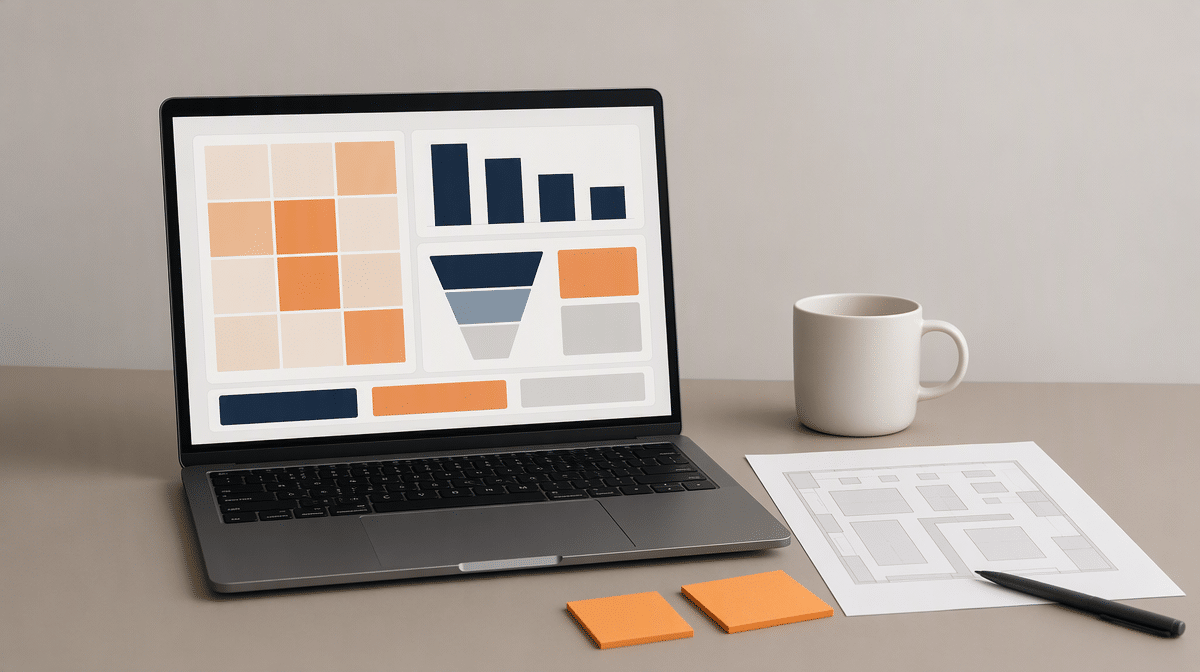
Trade shows will keep changing through experimentation and trial-and-error. Planners may test the number of streamed sessions, appointment lengths, booth layouts, local-event formats, pricing, content access, and follow-up timing. There will be failures and successes on the road to figuring out what works for a particular industry and audience.
Acceptance of change does not mean following every technology trend. It means establishing an objective, testing a manageable change, collecting feedback, and deciding what to repeat. Teams that know how to facilitate organizational change can adapt the event without confusing exhibitors, staff, or attendees.
Each test should connect to an observable result. A planner can compare appointment completion, session participation, qualified conversations, content requests, and follow-up response instead of relying only on total registration. Exhibitors can use the same discipline to decide whether a booth location, demonstration format, speaker sponsorship, regional show, or digital package deserves another investment.
Documented responsibilities also matter. A clear Trade Shows-Events Procedure can define who approves the event, manages the budget, coordinates the booth, prepares demonstrations, captures leads, and owns post-event follow-up. That structure gives experimentation boundaries and makes results easier to compare.
How Will Trade Shows Change in the Future?
There is no way of knowing exactly what the future holds for trade shows. Economic conditions, travel costs, venue capacity, buyer behavior, new technology, and unexpected disruptions can all change an event plan. Vendors, attendees, and trade show planners should stay open to change and be willing to try new things without abandoning the reasons people gather.
A resilient plan can separate essential activities from optional ones. The exhibit floor, product demonstrations, customer appointments, and core presentations may continue in person, while selected sessions, content libraries, registration, and follow-up remain available online. Asking how prepared the business is for an unpredictable future helps planners build alternatives before a venue, travel, staffing, or technology problem appears.
The future trade show is therefore not simply virtual or physical. It is a connected business process that starts with audience selection, continues through the event experience, and ends when the team has qualified, assigned, and followed up on each meaningful contact. Companies that move event leads through the sales pipeline will gain more value from the same conversations than companies that treat attendance as the final result.
That discipline keeps the event focused on business outcomes while preserving the personal exchange that makes a trade show worth attending.
Frequently Asked Questions
What Is a Hybrid Trade Show?
A hybrid trade show combines an in-person exhibition with selected digital access, such as streamed presentations, remote appointments, exhibitor profiles, recorded demonstrations, or on-demand content.
Will Virtual Trade Shows Replace In-Person Events?
Virtual access will extend many events, but it is unlikely to replace the product contact, spontaneous networking, and relationship building that happen at an in-person trade show.
What Technology Is Used at Modern Trade Shows?
Modern trade shows may use mobile registration, QR or RFID badge scanning, event apps, appointment scheduling, lead retrieval, streamed sessions, digital content libraries, and engagement reporting.
Why Are Speakers Important at Hybrid Trade Shows?
Speakers create shared programming for physical and remote audiences. Their sessions can attract registrations, focus discussion, support lead generation, and remain useful as on-demand content after the event.
How Can Small Businesses Prepare for Future Trade Shows?
Small businesses should define their target audience, select measurable objectives, plan demonstrations and follow-up, assign lead ownership, and choose physical or digital event features that support those objectives.