What Is Lean Waste?
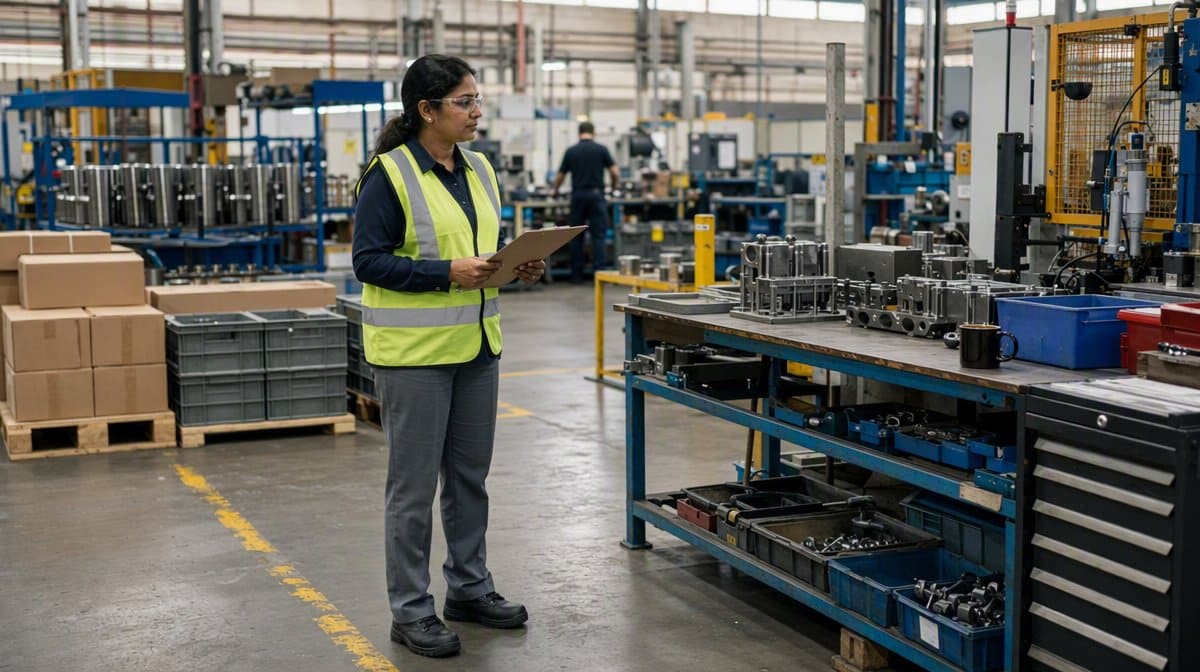
Are you working harder or working smarter, and how do you know the difference? Many teams work long hours because they do not recognize the obstacles that interrupt flow, create rework, and waste precious time. They may be operating with the wrong paradigm.
A lean thinking paradigm focuses on eliminating those obstacles. Lean waste, or muda, is activity that consumes time, effort, materials, or capacity without creating value for the customer. Learning to see that waste is the first step toward working smarter.
What Is Lean Waste?
Lean waste is any use of resources that does not create customer value and is not currently required to deliver the product or service. Some non-value-added work is temporarily necessary because of regulation, safety, technology, or another constraint. The lean objective is to distinguish that required work from avoidable waste, then improve the process without weakening needed controls.
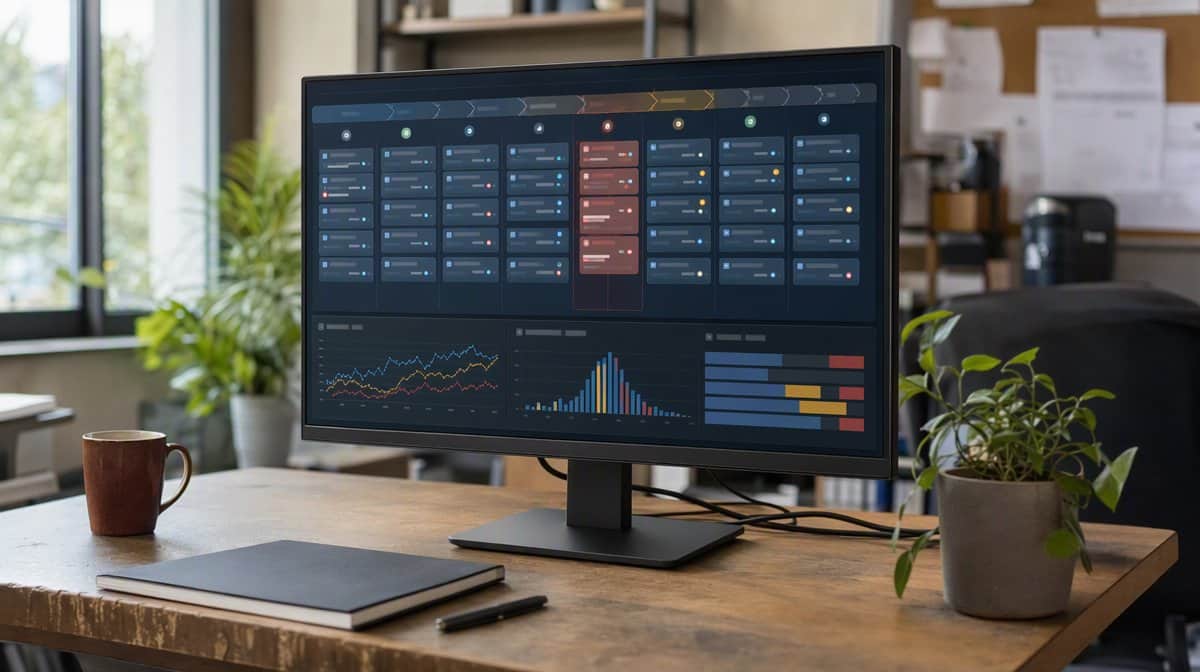
The lean thinking paradigm constantly looks for obstacles that impede a smooth flow of work. Instead of asking people to work harder to overcome the same obstacle every day, it asks why the obstacle exists and how the system can prevent it. That shift turns recurring frustration into a process improvement opportunity.
Working Harder Because of Waste
Hard work feels productive, but effort does not always translate into results. A team can stay busy while unfinished work accumulates, deadlines slip, and defects return for correction. The goal is not activity for its own sake. The goal is reliable customer value produced with the least necessary time and resources.
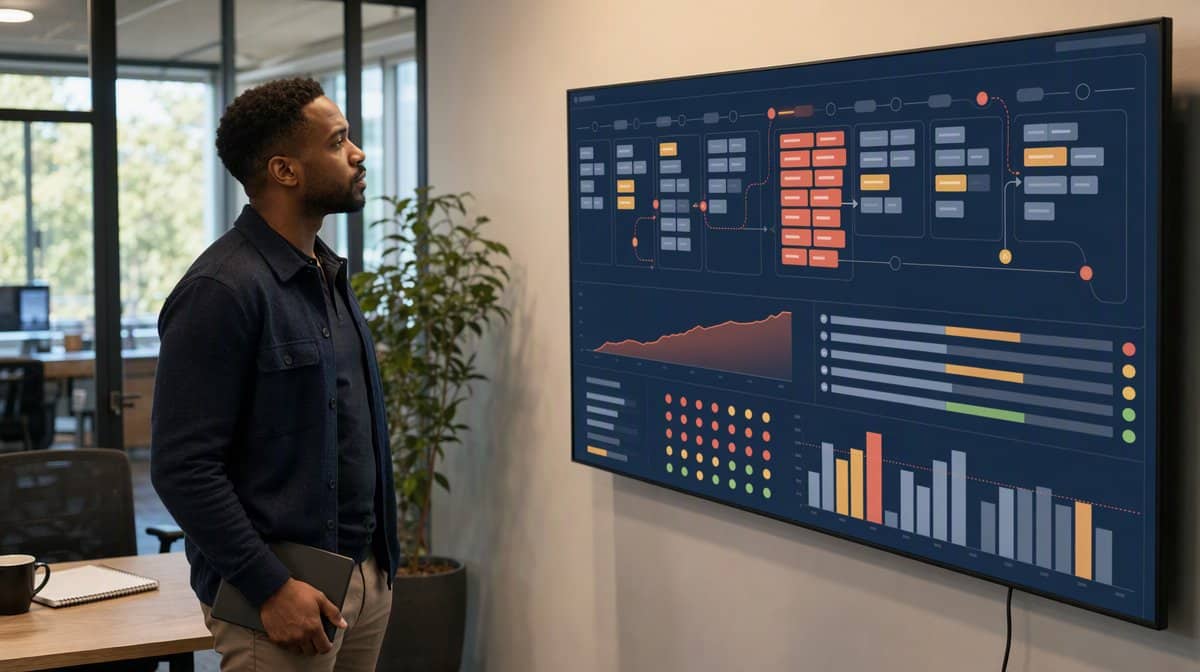
Common symptoms of working harder because of waste include:
- Working more than 40 hours a week or depending on recurring overtime;
- Struggling to meet deadlines even when everyone appears busy;
- Juggling multiple projects and increasing work in process;
- Reworking, editing, or repairing completed work;
- Spending valuable time on non-value-added activities; and
- Asking for more time, money, people, or equipment before examining the process.
Most organizations experience some of these symptoms. People take work home, rush from project to project, and still struggle to complete the right work on time. The greatest missed opportunity is often the underutilized thinking power of the people closest to the process. Better information, knowledge, and wisdom help them solve the causes instead of repeatedly coping with the effects.
Working harder does not necessarily translate into working more productively. In other words, producing results depends on a capable process, not simply more effort. The biggest waste can be failing to use the full productive capacity of employees who already know where work stops, where confusion begins, and where a simpler method would suffice. Their experience helps uncover hidden waste and redesign the task around a smoother flow of work.
Working Smarter With a Value Stream Map
Working smarter requires a clear view of how value moves through the organization. Value stream maps visualize the current flow of materials and information, helping a team separate value-added work, avoidable waste, and required non-value-added steps. The U.S. Environmental Protection Agency explains that value stream mapping can reveal excess inventory, bottlenecks, rework, and other improvement opportunities in a current-state process.
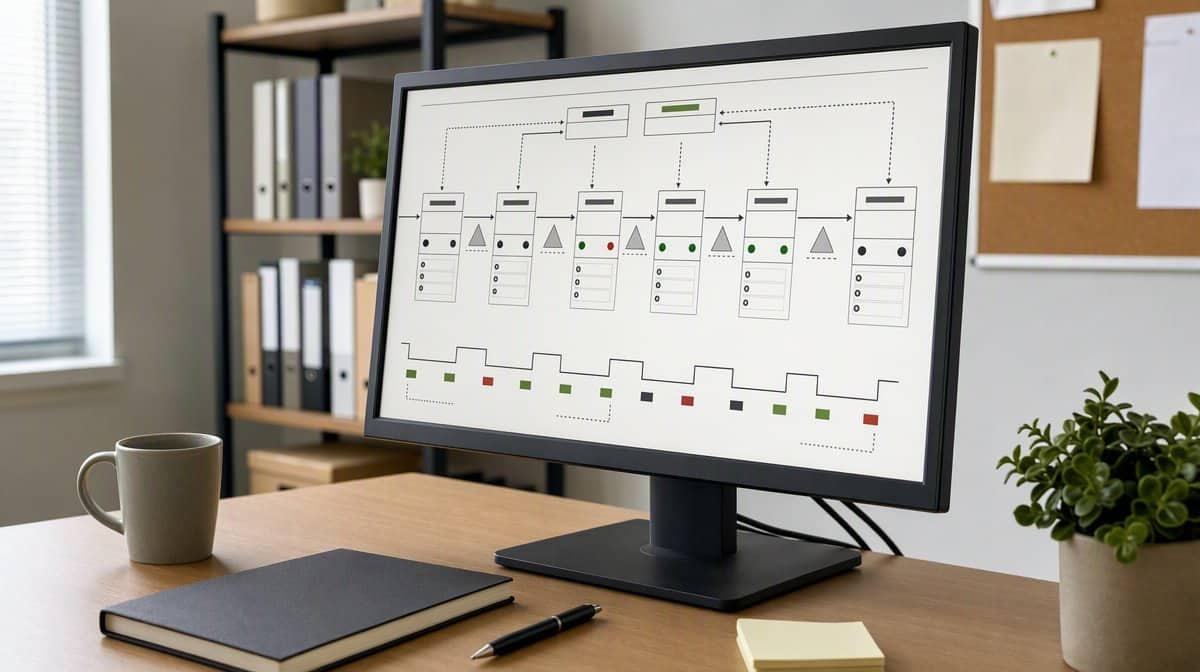
A map makes hidden waste visible. It shows where work waits, where information is entered twice, where batches grow, and where a defect sends work backward. Teams can then test a future-state flow and measure whether the change reduces lead time, backlog, handoffs, or rework. See the EPA’s value stream mapping guide for an authoritative overview of the method.
Waste removal is continuous, not a one-time cleanup. In a lean organization, process improvement gives people a disciplined way to identify causes, test changes, and sustain better methods. A quality management system, including one aligned with ISO 9001, can support controlled processes and continual improvement, while lean methods focus specifically on flow and customer value.
The rewards of working smarter can include:
- Going home on time instead of depending on chronic overtime;
- Completing assigned work and meeting realistic deadlines;
- Focusing on fewer projects at one time;
- Getting work right the first time;
- Spending more time on value-added activities; and
- Producing more reliable results with existing resources.
Working smarter can release capacity that was trapped in waiting, rework, excess inventory, and unnecessary movement. The amount depends on the baseline and the process, so improvement should be measured rather than assumed. That measurable discipline is part of the power of business process management.
A continuous improvement program also clarifies responsibility. Employees doing the work identify wasted activity, supervisors remove obstacles, and managers make sure the quality system supports the new standard. This is more efficient than having one worker watch another worker, then depending on inspection after completion to determine whether the result meets standards.
What Are the Eight Categories of Lean Waste?
The eight categories help teams name recurring patterns instead of treating every delay or defect as an isolated incident. The EPA’s overview of waste targeted by lean methods includes the same core categories and examples from both production and office work.
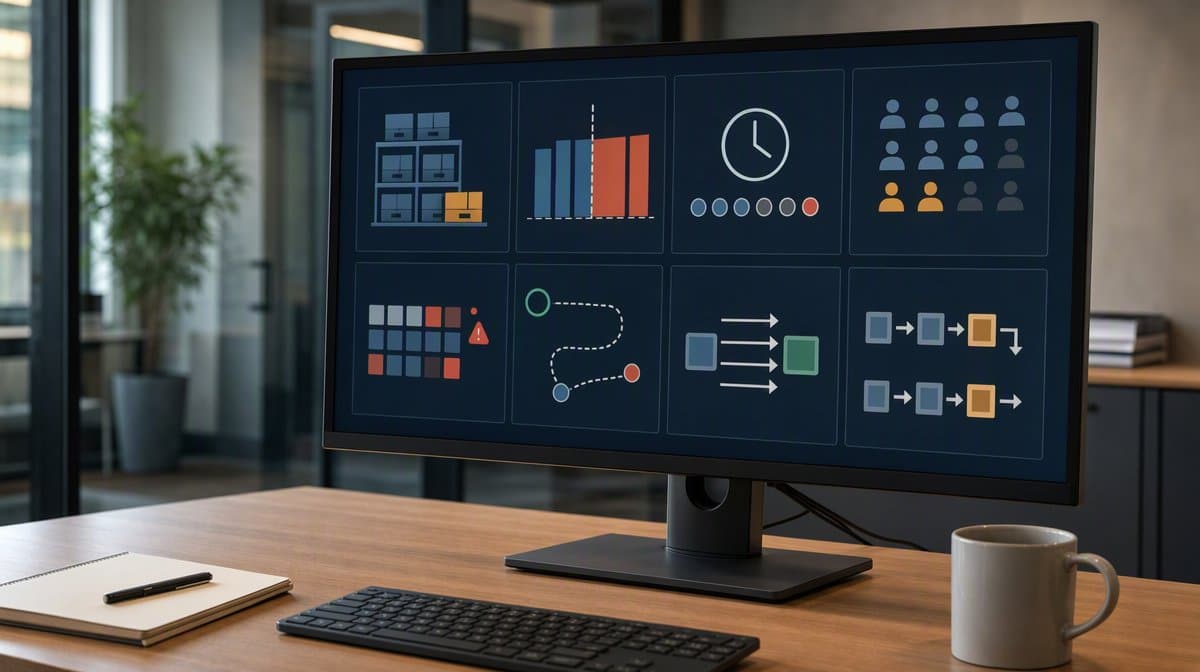
1. Unnecessary Inventory
Excess raw materials, supplies, work in process (WIP), finished goods, files, or unresolved requests consume space and working capital. Too much inventory often signals problems with flow, scheduling, quality, demand information, or batch size elsewhere in the system.
Maintaining excess inventory, supplies, WIP, or finished goods can compensate for process inaccuracy and other forms of waste. The inventory may protect today’s schedule, but it can also hide defects, uneven demand, long setup time, unreliable suppliers, or material moving between processes.
2. Overproduction
Overproduction means making products before they are needed or processing information that no customer or downstream step requires. Examples include creating reports nobody reads, producing large batches to keep equipment busy, or completing forms before the information is useful.
In manufacturing, overproduction creates products before they are needed. In office work, it creates unnecessary information, extra copies, and reports in advance of a decision. Both forms increase inventory somewhere in the process and make the next problem harder to see.
3. Waiting and Delays
Waiting occurs when people, materials, equipment, approvals, or information are not available when the next step needs them. A measurable delay points to a bottleneck, dependency, or handoff that should be examined, even when the wait cannot be eliminated completely.
Typical examples include idle time spent waiting for tools, supplies, parts, information, a competent decision maker, or an available provider. The objective is not instantaneous communication. It is to understand the delay, protect required controls, and reduce avoidable waiting with better sequencing and clearer handoffs.
4. Underutilized Employee Talent
This waste appears when an organization does not use employees’ creativity, knowledge, and problem-solving ability. It can result from rigid roles, weak training, missing feedback channels, or a task design that separates decisions from the people who understand the work. Lean improvement invites those employees to help redesign the system.
5. Defects, Correction, Repair, or Rework
Defects include products that do not meet customer needs, incomplete service transactions, inaccurate records, and any task that must be performed a second time. Correction consumes capacity, delays the customer, and can create additional inspection or rescheduling. The better goal is to make the correct method clear and prevent errors at their source.
6. Unnecessary Motion
Motion waste is unnecessary movement by people within a task. Poor ergonomic design, searching through a cluttered workspace, reaching repeatedly for distant tools, or navigating several systems for one answer all add motion without adding customer value.
Wasted motion also includes walking around to find supplies, picking up and stacking parts more often than required, or looking for things because the workplace is not organized. A good layout puts frequently used tools and information where the work occurs.
7. Unnecessary Transportation
Transportation waste is unnecessary movement of products, people, documents, or information between locations and processes. Moving materials into and out of storage, routing a request through avoidable approvals, or transferring data between disconnected systems adds time and risk.
Unnecessary transporting, conveyance, or movement is different from motion because the item being moved is the work itself. Transporting materials, parts, finished goods, records, or customer information between storage and processes creates handling without changing what the customer receives.
8. Unnecessary Processing
Overprocessing happens when a process performs more work, uses more expensive equipment, or applies more precision than the customer or requirement needs. Unnecessary meetings, duplicated reviews, excessive formatting, and repeated data entry are common service examples.
Over-processing also occurs when a team tries to provide higher quality or extra operations beyond the customer’s needs. Using expensive equipment where simpler tools would suffice, requiring several sources to answer the same queries, or having people at meetings who are not needed are recognizable examples.
How Does Lean Waste Apply to Services?
Lean developed in production environments, but its central test applies to services as well: does this activity create value from the customer’s perspective, or is it required to deliver that value safely and reliably? In an office, clinic, bank, or support team, waste is more likely to appear as waiting, duplication, unclear communication, lost information, and avoidable errors than as scrap on a factory floor.
John Bicheno and Matthias Holweg describe a useful service-waste framework in The Lean Toolbox. Their examples include:
- Delay: customers waiting for a service, answer, approval, or resolution;
- Duplication: reentering data, repeating details on forms, copying information, or answering the same query several times;
- Unnecessary movement: requiring customers or staff to visit several desks, queues, screens, or locations for one service;
- Unclear communication: seeking clarification, misunderstanding how a service works, or spending time finding the right contact or location;
- Incorrect inventory: lacking the right product, information, appointment, or qualified provider when needed;
- Lost customer opportunity: failing to establish rapport, ignoring customers, or allowing an avoidable delay to drive them away; and
- Service transaction errors: incorrect records, damaged goods, missed commitments, billing errors, or another defect in the product-service bundle.
These service wastes are easy to recognize in daily work. Duplication may mean having to reenter data, repeat details on forms, copy information across systems, or answer queries from several sources within the same organization. Unnecessary movement may require customers to get in line several times instead of receiving a one-stop service encounter. Unclear communication creates clarification, confusion over service use, and wasted time finding the right location. Incorrect inventory can mean being out-of-stock, relying on substitute products or services, or not having the right provider available. Each failure adds friction without improving the product-service bundle.
This list is not the only service taxonomy, but it helps translate the original lean concepts into work where the product is information, expertise, access, or an experience. The same approach applies: observe the current process, identify the waste, find its cause, test a countermeasure, and measure whether flow and customer value improve.
Can Continuous Improvement Reduce Lean Waste?
Lean does not require a perfect process or a dramatic transformation on the first attempt. It requires a repeatable habit of seeing waste and solving causes. Start with one value stream, define the customer and the value expected, observe the work directly, and establish a baseline for lead time, WIP, defects, handoffs, and demand.
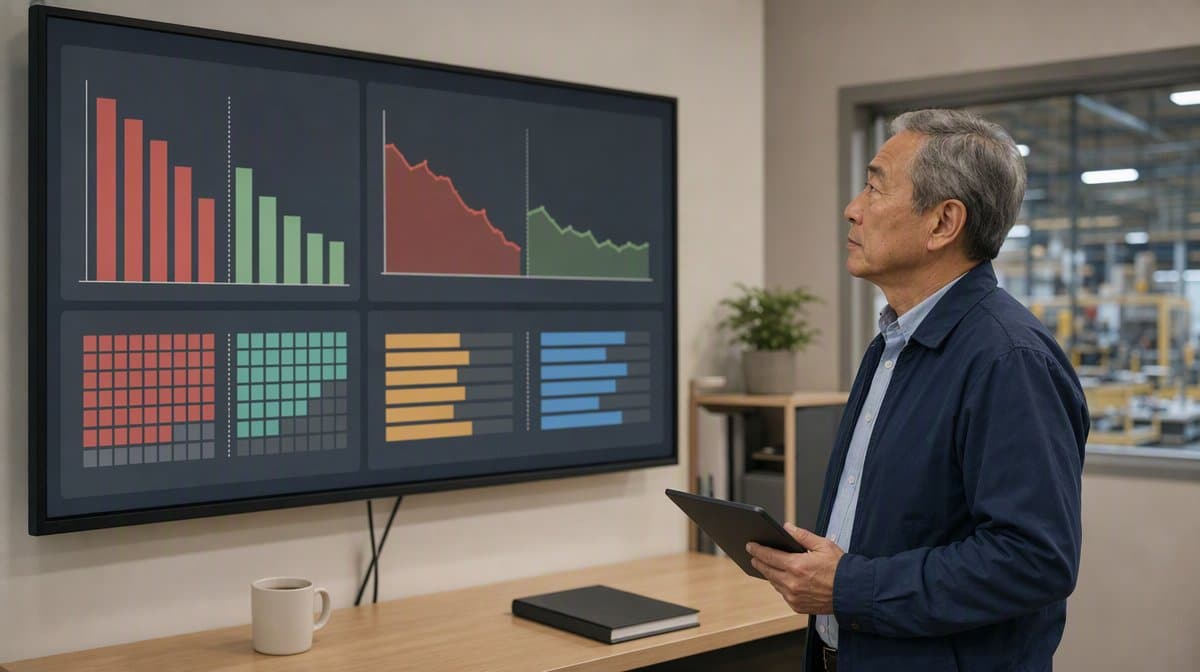
Then choose a small change that addresses a visible cause. Remove a duplicate approval, place materials closer to the point of use, limit work in process, standardize a handoff, or make quality checks part of the task instead of a later inspection. Compare the result with the baseline, keep what works, and continue improving.
Working smarter is not a slogan. It is the practical discipline of making work visible, separating value from waste, and improving the system so people can produce reliable results without recurring chaos. Once a team can see lean waste, it can stop rewarding heroic recovery and start designing better flow.
Frequently Asked Questions
What Is Lean Waste?
Lean waste, also called muda, is activity that uses time, effort, materials, or capacity without creating customer value. Lean teams distinguish avoidable waste from non-value-added work that is temporarily required for safety, regulation, or another constraint.
What Are the Eight Types of Lean Waste?
The eight types are unnecessary inventory, overproduction, waiting, underutilized employee talent, defects, unnecessary motion, unnecessary transportation, and unnecessary processing. Each category gives teams a practical name for patterns that interrupt flow or consume resources.
How Can You Identify Lean Waste?
Observe the work directly and map how materials and information move from request to customer. Measure lead time, waiting, work in process, defects, rework, and handoffs. Ask which steps create value, which are required, and which can be changed or removed.
Does Lean Apply to Service Businesses?
Yes. Service waste often appears as customer waiting, duplicate data entry, unclear communication, unnecessary handoffs, unavailable information, and transaction errors. The lean principle is the same: improve flow and reduce activity that does not create customer value.
What Is the Difference Between Value-Added and Non-Value-Added Work?
Value-added work changes a product, service, or information in a way the customer needs. Non-value-added work does not create that value. Some non-value-added steps are currently required, while avoidable waste should be reduced or eliminated through process improvement.