Are You Starting a New Business and Hiring International Employees?

A new business can outgrow its hiring system faster than its sales plan. The first overseas role looks simple on paper, but the moment an employee sits in another country, the company has to deal with payroll, tax, benefits, work authorization, communication norms, and local employment rules.
Hiring international employees is still one of the most practical ways to support expansion, but it works best when the process is treated as an operating decision, not just a recruiting decision. The goal is to find the right people and give the business enough structure to employ them legally, pay them correctly, and manage them well.
What Does It Mean To Hire International Employees?
International employees can be broadly classified into expatriates and locals. Expatriates are employees sent from the country where the organization is domiciled, while local employees are hired in the region where the business has expanded.
That distinction is useful because each path creates different management and compliance questions. An expatriate assignment may involve immigration, relocation, tax equalization, housing, and family support. A local hire may involve local payroll, statutory benefits, employment contracts, and country-specific rules for working hours or termination.

The right model depends on what the new business is trying to accomplish. A short market test may call for a contractor or local partner, while a committed expansion may require a subsidiary, a local payroll provider, or an employer-of-record arrangement.
How Does a New Business Hire International Employees?
Hiring new employees is a daunting challenge for any business that ventures into overseas markets, especially if the culture, language, and laws differ from one country to another. Employing the right people and making sure your business complies with applicable rules is vital to the success of your organization’s growth and expansion.
The process is not clear-cut. A business should define the role, decide whether the person will be an employee or contractor, identify the country where the work will be performed, and confirm the legal path before making an offer. The earlier those questions are answered, the less likely the company is to create payroll, tax, or worker-classification problems later.
Clarify The Employment Model
A new business should decide whether it needs a home-country employee on assignment, a local employee, a contractor, or a worker hired through a third-party employer. This choice affects contracts, benefits, management rights, and the company’s long-term obligations in that market.
Confirm Work Authorization
If the worker will come to the United States, foreign labor rules can involve several agencies. The U.S. Department of Labor explains that employers generally seek labor certification first, and that a DOL approval does not itself guarantee a visa from U.S. Citizenship and Immigration Services. For hiring outside the United States, the same practical lesson applies: confirm the local authorization path before the start date.
Plan Payroll And Management Before Recruiting
Payroll, benefits, holidays, leave, expenses, performance management, and termination rules should not be improvised after the candidate accepts. Your Human Resource policies and procedures need to be adapted to the local operating reality, not copied blindly from the home office.
What Resources Help With International Hiring?
In recent years, governments and trade organizations have made it easier for small and midsized companies to research foreign markets before committing to an overseas operation. If your business is domiciled in the United States, the U.S. Commercial Service is a logical starting point.
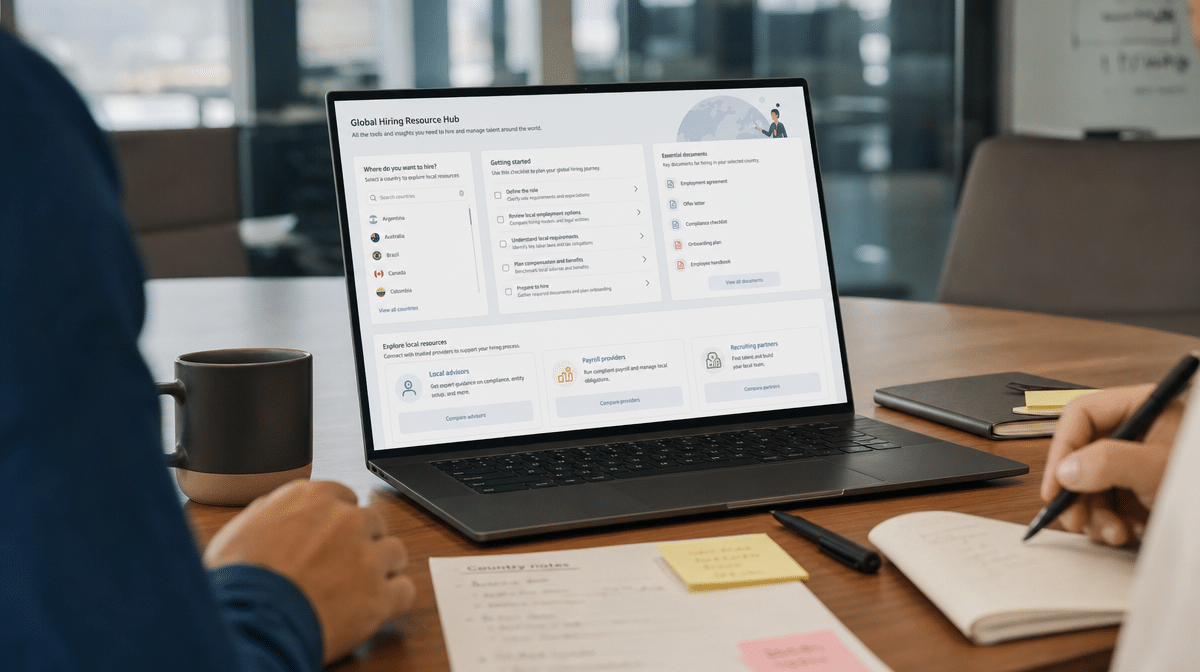
The International Trade Administration says local export assistance can include Commercial Service counseling, market research, and matchmaking services designed for small and medium-sized businesses. Those resources can help a new business understand the market before it starts hiring people to support it.
Professional networks, local chambers of commerce, accountants, employment attorneys, payroll providers, and industry associations can also help you find qualified candidates and advisors. The key is to separate recruiting help from compliance advice. A recruiter may find talent, but a local employment advisor can tell you whether the planned arrangement actually works.
If the expansion is still early, use the research phase to pressure-test the market. BM’s guidance on how to expand your business and when localization becomes an important business strategy can help frame the hiring decision as part of the larger market-entry plan.
How Much Time Should You Allow?
Finding a suitable location for your business and familiarizing yourself with rules about hiring, compensating, managing, and terminating employees can take several months. The timeline gets longer when the business needs a local entity, visa support, translated contracts, country-specific benefits, or advice from multiple local professionals.
Rushing the process can be expensive. A company that hires first and checks the rules later may discover that it has created a permanent establishment issue, misclassified a worker, promised benefits it cannot administer, or overlooked required notice periods.
Give yourself enough time to document the role, choose the employment model, review local requirements, set up payroll, and design onboarding. That planning also gives managers a clearer basis for comparing candidates across countries instead of reacting to the first available person.
What Legal And Tax Issues Should You Plan For?
Anyone who carries out business activities on a global scale and hires international employees must be aware of applicable tax and employment complexities. Employee benefits, housing, vacation, annual leave, social insurance, pension obligations, and termination rules differ from one country to another.
Expanding Into New Markets
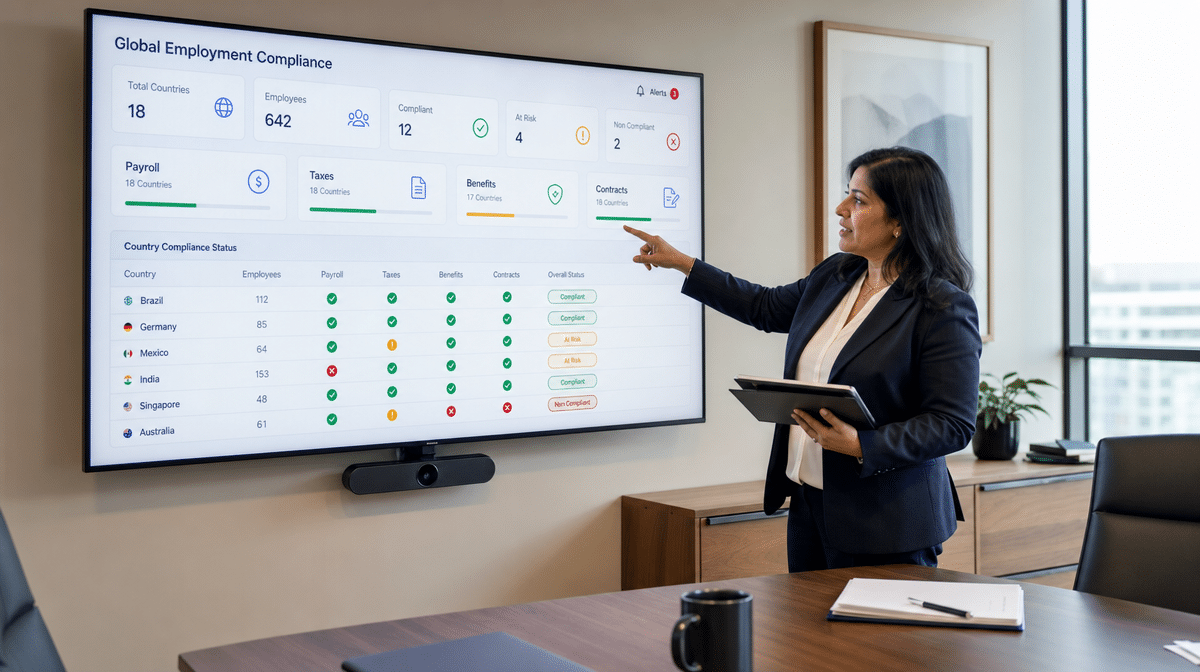
Expanding into a new market may have significant tax implications. In some cases, creating a distinct subsidiary in the new market may be necessary. In other cases, an employer-of-record provider or local partner can help the business test the market before it commits to a permanent entity.
Employment Regulations
Local employment regulations can affect contracts, probation periods, non-compete agreements, working hours, union rules, mandatory benefits, paid leave, and termination notice. International labor standards also matter when a company wants its employment practices to meet responsible-business expectations across markets. The International Labour Organization’s business helpdesk on international labor standards is a useful reference point for that broader view.
Payroll, Benefits, And Records
Payroll compliance is more than paying the agreed salary. The business may need to withhold taxes, contribute to social programs, maintain employment records, issue compliant payslips, and administer statutory benefits. These obligations should be mapped before the employee starts work.
How Should You Handle Culture And Communication?
It is important to understand the way of life of people who live in the country where you are expanding and what they expect from employers. Understanding business norms is not a soft extra. It affects recruiting, onboarding, performance management, and retention.

For example, in some countries employees may be accustomed to communicating with employers openly and directly. In other regions, measured and indirect communication may be the norm. Managers should learn how feedback, authority, deadlines, holidays, and after-hours communication are understood in the local workplace.
Cultural insight should also shape onboarding. A new international employee may need clear documentation, a named manager, local contacts, time-zone expectations, and a written explanation of company policies. Good onboarding turns the international hire from a remote exception into part of the operating system.
Starting a New Business and Hiring International Employees
The world has become more connected, but international hiring is still local in execution. With the right international employees, it is possible to expand your business to Africa, South America, Asia, Europe, or North America. The difference between a smart expansion and a messy one is the operating system behind the hire.
Start with the role, the market, and the employment model. Then build the compliance, payroll, cultural, and onboarding support around that decision. International employees can help a new business grow faster, but only when the company gives them a structure that works on both sides of the border.
Frequently Asked Questions
What Does It Mean To Hire International Employees?
Hiring international employees means adding workers who are based in, transferred to, or legally employed through another country. The work may involve expatriates from the home office, local employees in a foreign market, contractors, or employees hired through a local entity or employer-of-record arrangement.
What Should A New Business Check Before Hiring Overseas?
A new business should check work authorization, payroll rules, tax withholding, benefits, employment contracts, termination rules, and local labor standards before making an offer. These requirements vary by country and should be reviewed before the role is promised to a candidate.
Can A U.S. Company Hire An Employee In Another Country?
A U.S. company can hire an employee in another country, but it usually needs a compliant employment path. Common options include creating a local entity, working with a local partner, or using an employer-of-record provider that can employ the worker under local law.
Why Is Cultural Insight Important In International Hiring?
Cultural insight helps managers communicate expectations clearly, design better onboarding, and avoid applying home-market assumptions to a different workplace. It also helps the company understand local norms around feedback, hierarchy, benefits, and work schedules.
How Long Should International Hiring Take?
International hiring often takes longer than domestic hiring because the business must evaluate legal, tax, payroll, benefits, and management requirements before the start date. A realistic timeline should include local advice, employment documentation, onboarding, and contingency planning.