What Are The Safety Measures in Your Workplace?
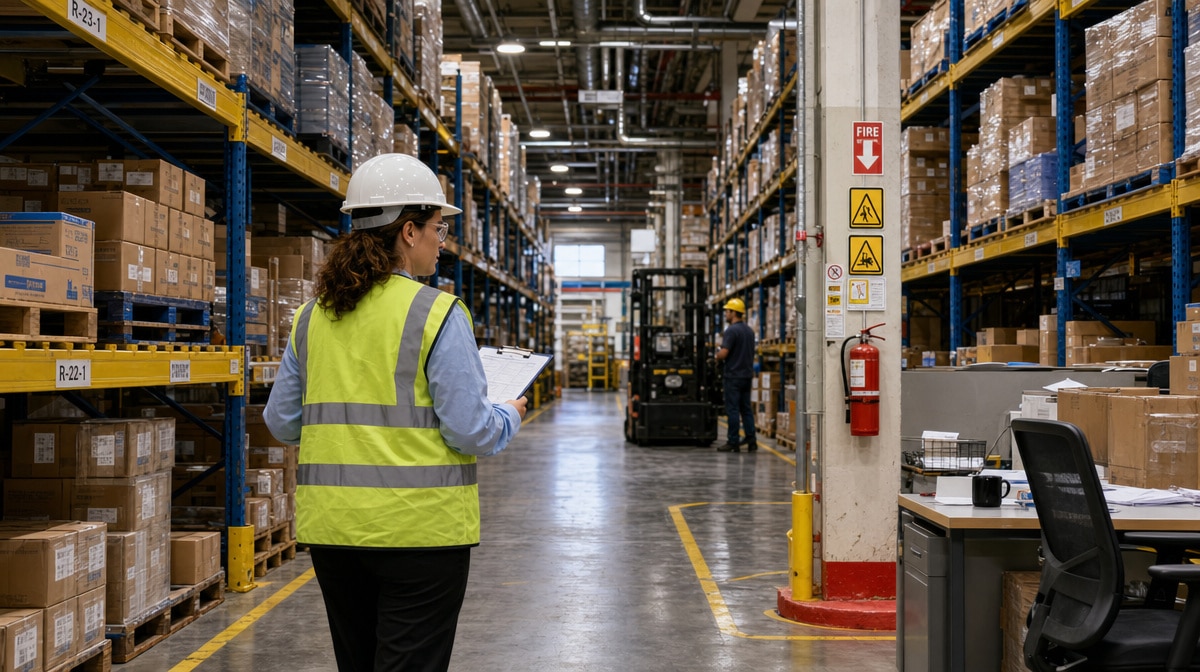
All workplaces carry risk. Some manage it deliberately, with documented safeguards that everyone understands, and many leave it to chance until an accident forces the issue. Ask yourself: do your safety measures really exist if nobody has written them down or practiced them? The benefits of strong safety measures over the long term are hard to overstate. You retain employees by offering a safe work environment, you protect a stronger budget with fewer expenses on mitigating damages, and you actively protect your reputation in the eyes of your business partners, investors, and clients.
Knowing all of this, investing in safety measures in your workplace is a must in this day and age. The ideas listed below can help elevate your workplace safety and free you to focus on other business processes as well as growth. None of them require a dramatic overhaul. Most are small, repeatable habits that compound into a genuinely safer operation.
What Are Workplace Safety Measures?
Workplace safety measures are the training, equipment, physical safeguards, and written policies a business puts in place to prevent accidents, injuries, and illness on the premises. They range from the simplest additions at the office to complex policy changes that may be long overdue. In the United States, the baseline is set by the General Duty Clause of the Occupational Safety and Health Act, which requires every employer to provide a workplace free from recognized hazards. Everything that follows builds on that duty and turns it into everyday practice.
5 Important Safety Measures for Your Workplace
Businesses everywhere continuously work on boosting client and customer-facing features. Naturally, that is the most visible way to keep growing and retain the relevance any company needs to succeed. On the other end of that spectrum, most organizations learned a number of invaluable safety lessons during the Covid pandemic, from workplace safety and preventative measures to how quickly conditions can change. Since then, more companies have looked to update their safety policies and make smarter decisions. The five measures below are the ones that consistently move the needle.
Perform Industry-Relevant Safety Training
Out of the many factors that affect employee performance, proper training is by far the most pivotal to consider. From the selection process used to find suitable candidates, through onboarding and recurring seminars, you need educated and trained professionals under your wing.
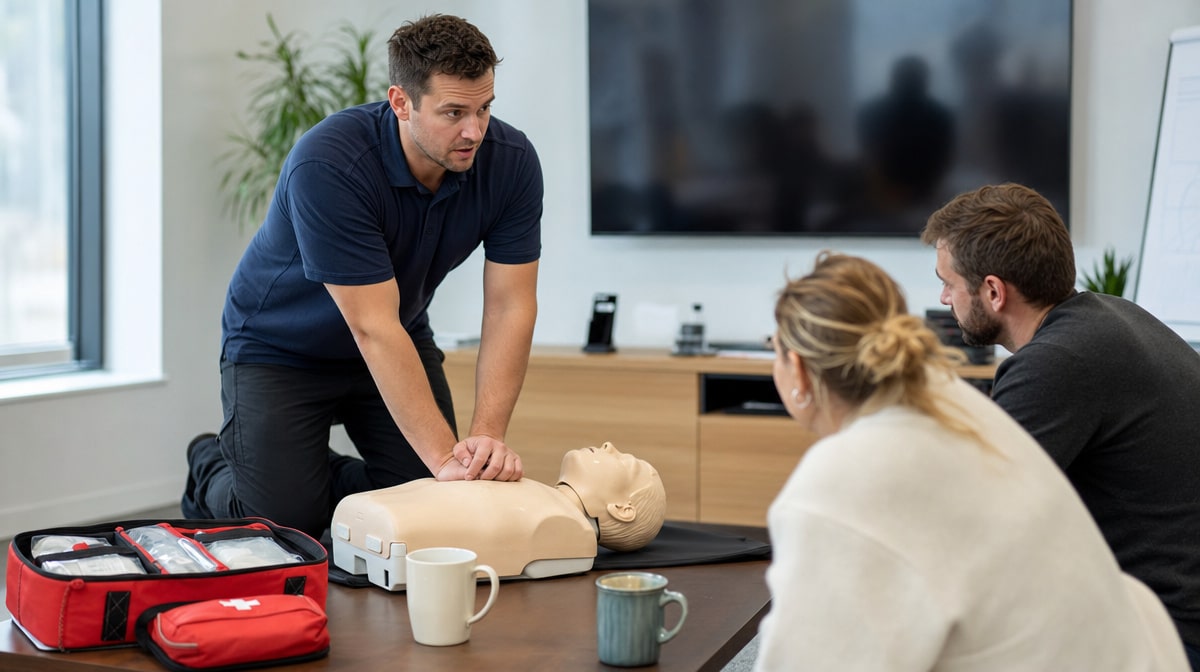
Everyday behavior among your employees shapes the safety of your workplace. Everything from basic CPR training to profession-specific training certifications deserves ongoing investment. That knowledge contributes to safer operations and helps keep everyone safe and secure.
Match the training to the actual hazards of the job, not a generic checklist. OSHA’s training resources outline the topics different industries are expected to cover, and building your program around them keeps your team both compliant and genuinely prepared for the situations they will face.
Work with Clinicians
You would be surprised how many accidents and injuries could have been prevented or treated properly with a clinician or therapist present in the workplace. Having someone with the skills to handle emergency health situations, preferably with an ACLS certification, can meaningfully increase your workplace safety.
A clinician on site makes a real difference in elevating employee satisfaction and the overall feeling of security. It also gives you the advantage of preventing medical emergencies and treating health issues on the premises before they escalate.
Not every business can staff a full-time clinician, and that is fine. Even a trained first-aid responder on each shift, backed by a clear escalation plan and OSHA’s emergency preparedness guidance, closes much of the gap between an incident and a professional response.
Conduct Regular Safety Audits
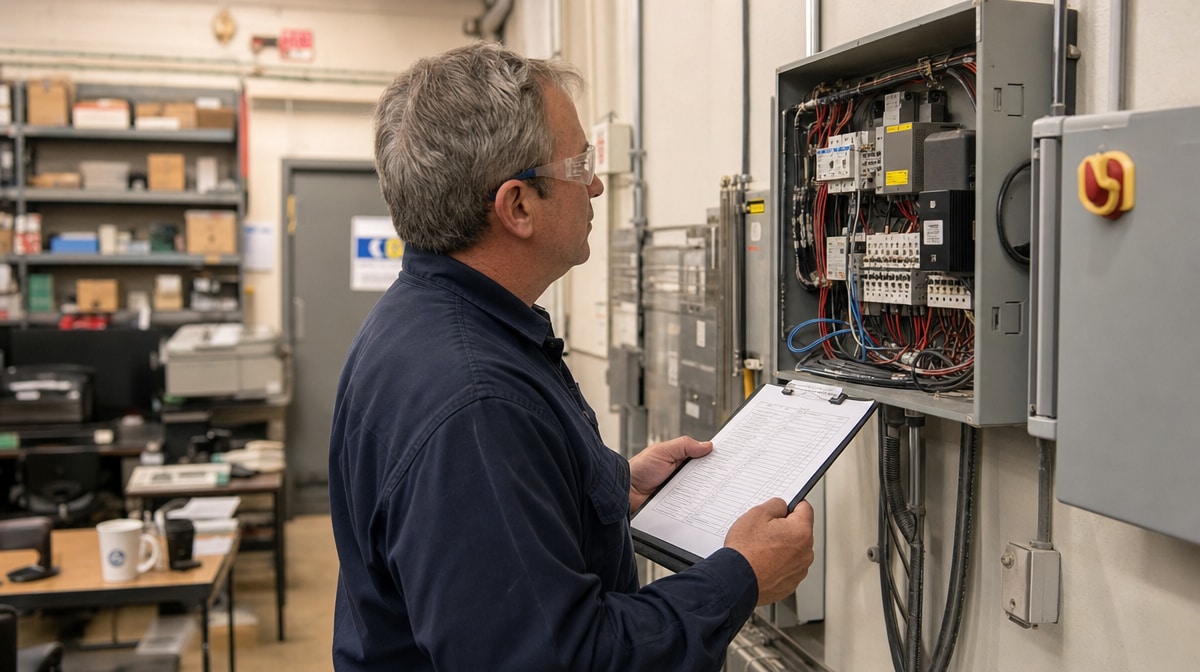
No matter the industry you work in or the complexity your workplace entails, regular safety audits and checks are the backbone of your company’s safety. Even in a commonplace IT company with a limited number of desks and computers, the occasional printer, and a storage facility, you still need to make sure all electric outlets work properly, there are no slippery surfaces, and there is no messy wiring or cords someone can trip over.
While employee training helps maintain safety standards at any office, audits provide a review of the safety manual in the workplace and an opportunity to introduce additional safety protocols where they are needed.
Treat the audit as a repeatable process rather than a one-off event. OSHA’s Recommended Practices for Safety and Health Programs describe a simple find-and-fix cycle: inspect, document each hazard, assign an owner, and verify the correction before the next round. Written records also give you a defensible history if an inspector or an insurer ever asks.
Focus on Stringent Hygiene
Do your employees have easy access to hand sanitizers, wet wipes suitable for cleaning their equipment and personal gadgets such as phones, and, of course, fresh water and soap? The Covid pandemic changed how people interact, and many hygiene protocols that were once considered redundant are now standard. Mask-wearing may come and go, but the underlying habits stay.
This also includes how you process the workplace itself. Make sure you have the needed cleaning staff on the premises and that they can move around the building without interfering with your employees’ work. Introduce additional cleaning times to elevate overall cleanliness and hygiene, and set clear rules for how food is stored, consumed, and distributed to reduce the risk of spreading germs.
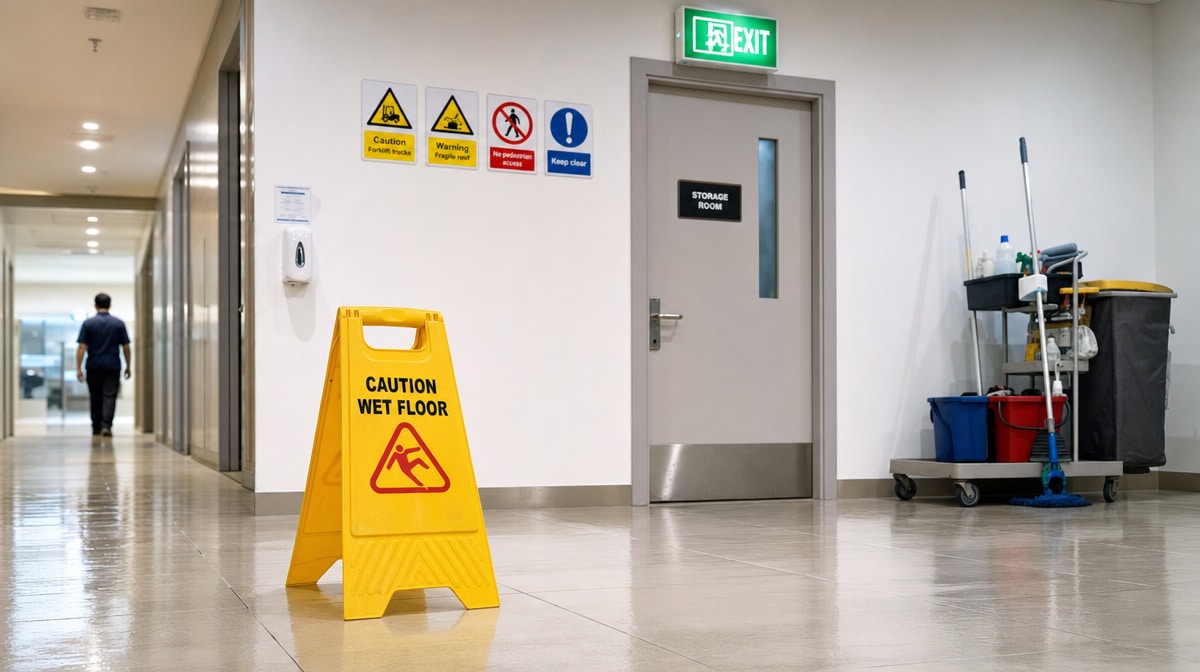
Implement Signs and Labels
If you work in an industry with a lot of on-site hustle and bustle, such as a construction site, you cannot rely solely on safety managers and supervisors working directly with your employees. As capable as they are, and as well-trained as your staff is, you still need to place safety signs all over the site so everyone knows what to do and what they should not do under any circumstances.
The same applies to medical facilities such as research labs and clinics, where a room containing radioactive materials or sensitive equipment needs more than a room number. Each room, and the contents of that room, need to be labeled properly to avoid guesswork, potential injuries, and, of course, lawsuits.
Standardize on recognizable formats and colors so a sign reads the same way in every part of the building. OSHA’s construction standards spell out the signage and labeling employers are expected to maintain on higher-risk sites, and the same discipline pays off in an ordinary office.
Important Safety Measures for Your Workplace
From the simplest additions at the office to complex policy changes that have been long overdue, you can transform how you define and handle safety in the workplace. Your employees will appreciate the effort, and your standing in the eyes of partners and clients will only improve. Most of all, you free your attention for growth-related issues, because safety becomes a fundamental element of working at your company rather than an afterthought you revisit only when something goes wrong.
Frequently Asked Questions
What Are the Most Important Safety Measures in a Workplace?
The core measures are industry-relevant safety training, access to clinical or first-aid support, regular safety audits, stringent hygiene, and clear safety signs and labels. Together they prevent accidents, protect employees, and keep operations running.
How Often Should You Conduct a Workplace Safety Audit?
Most workplaces benefit from a documented safety audit at least quarterly, with informal checks far more often. High-hazard sites such as construction or medical facilities should inspect continuously and fix issues as they are found.
Why Is Safety Training Important for Employees?
Proper training shapes everyday behavior, from basic CPR to profession-specific certifications. Trained employees make safer decisions, respond correctly to emergencies, and help keep everyone on the premises safe.
What Role Does Hygiene Play in Workplace Safety?
Hygiene protocols such as hand sanitizers, regular cleaning, and clear rules for food reduce the spread of germs and illness. The Covid pandemic made these habits standard rather than optional.
Do Small Businesses Really Need Safety Signs and Labels?
Yes. Even a small office has electric outlets, storage, and cleaning hazards that signs help manage. Signs and labels remove guesswork, prevent injuries, and reduce the risk of costly lawsuits.