
write procedures
A task can look obvious to the person who designed it and still be unclear to the employee or contractor expected to perform it. Any worker who enters a job site needs to know how to do the tasks specific to the work. In an industrial environment, that gap can affect quality, uptime, and safety. […]
Read more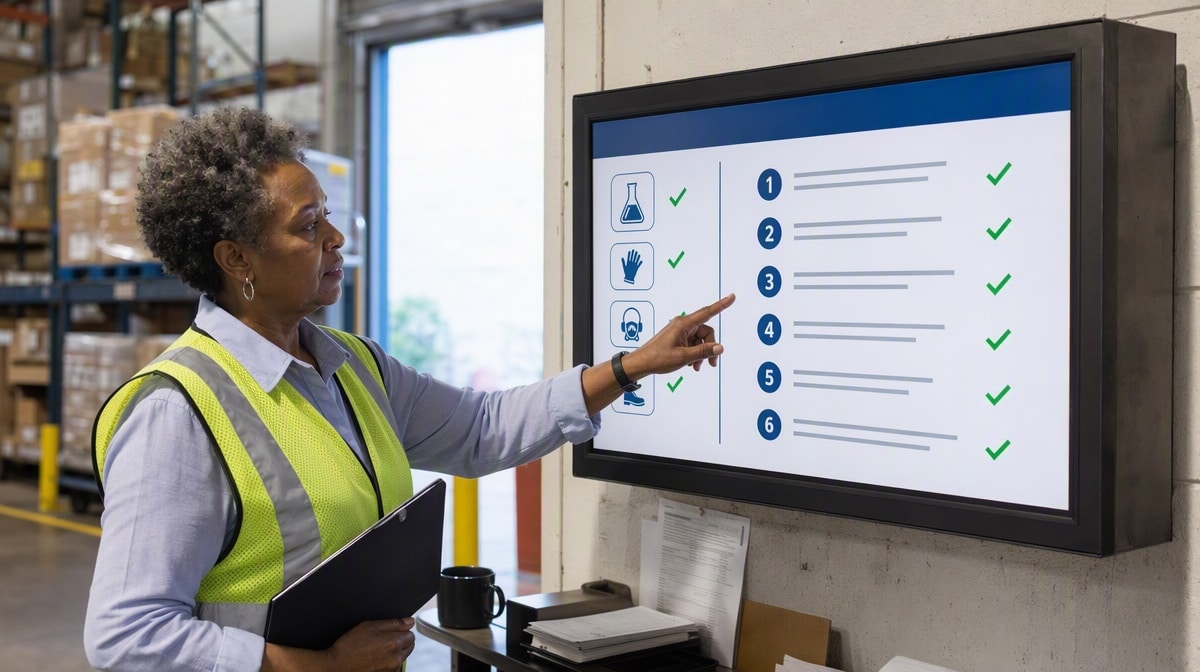
A weak starting point can hurt employee usability and introduce confusion and user-error. Do you know why else you should write new policies and procedures?
Read more
Don’t just write about your tasks, learn how to Get results from your procedures.
Read more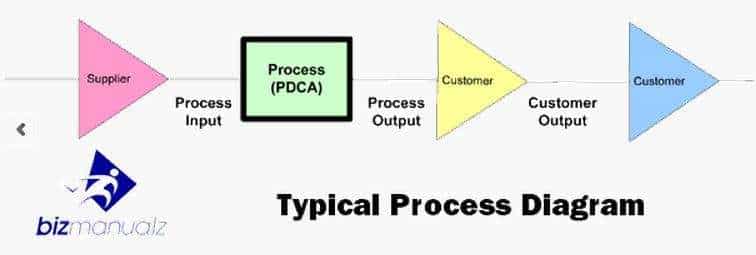
Keeping certain concepts in the forefront ?? like change and appropriateness of language, among others ?? helps you craft the sort of policies and procedures manual that meets or exceeds everyone’s needs.
Read more
Standard operating procedures (SOPs) are an important part of any business, but they are especially critical in the website maintenance process. Having a clear and concise SOP in place can ensure that your website is always up-to-date and running smoothly. How do you create a standard operating procedure for website maintenance?
Read more
A policy sets direction by stating what an organization expects and why. A procedure turns that direction into repeatable steps that explain how, when, and by whom the work is done.
Read more
You need policies and procedures to communicate your goals; standardize behavior, processes, and results; train employees consistently; and identify what’s acceptable behavior and what’s not.
Read more
Where should you start when writing policies and procedures? Should policies come before procedures, or should it be the other way around?
Read more
Undocumented expectations may guide people informally, but documented company policies make responsibilities and controls visible, trainable, and reviewable.
Read more
Best Manual Deals
-
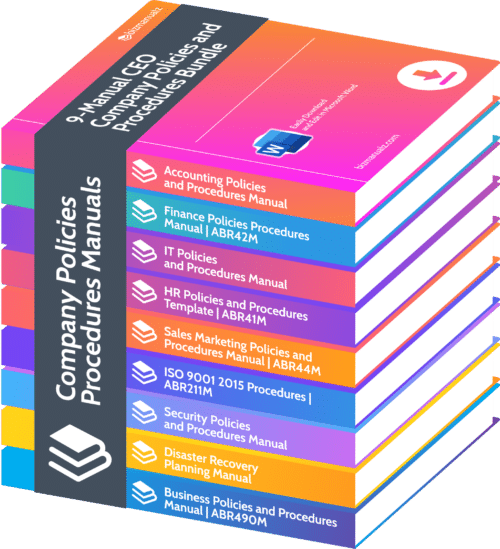 9-Manual CEO Company Policies and Procedures Bundle | Save 45%
$ 2,495.00
-
 ISO 22000 Food Safety Procedures Manual | ABR213M
Original price was: $ 395.00.$ 197.00Current price is: $ 197.00.
-
 ISO 22000 Seguridad de los Alimentos Procedimientos | ABR219M
Original price was: $ 395.00.$ 195.00Current price is: $ 195.00.
-
 ISO 9001 Quality Manual | ABR211MPM
$ 49.99
Business Manuals
-
 Finance Policies Procedures Manual | ABR42M
$ 495.00
-
 Accounting Policies and Procedures Manual | ABR31M
$ 495.00
-
 IT Policies and Procedures Template Manual | ABR34M Information Security Policy Manual
$ 495.00
-
 HR Policies and Procedures | ABR41M Employees Policy Examples
$ 495.00
-
 Sales Marketing Policies and Procedures Manual | ABR44M
$ 495.00
-
 ISO 9001 2015 Procedures | ABR211M
$ 495.00
-
 Security Policies and Procedures Manual | ABR32M
$ 395.00
-
 Disaster Recovery Planning Manual | ABR33M
$ 395.00
-
 AS9100 Quality Procedures Manual Rev D | ABR217M Aerospace QMS
$ 395.00
-
ISO 22000 Food Safety Procedures Manual | ABR213M
Original price was: $ 395.00.$ 197.00Current price is: $ 197.00.
-
9-Manual CEO Company Policies and Procedures Bundle | Save 45%
$ 2,495.00
-
ISO 22000 Food Safety Procedures Manual | ABR213M
Original price was: $ 395.00.$ 197.00Current price is: $ 197.00.
-
ISO 22000 Seguridad de los Alimentos Procedimientos | ABR219M
Original price was: $ 395.00.$ 195.00Current price is: $ 195.00.
-
ISO 9001 Quality Manual | ABR211MPM
$ 49.99
-
 How to Prevent Embezzlement Manual | ABR242DWD
Original price was: $ 49.99.$ 19.99Current price is: $ 19.99.