
business risk
As a COO, you are responsible for the smooth and efficient operations of your company. However, with the ever-changing landscape of business, operational risks are becoming more complex and difficult to navigate. This article will delve into the importance of having risk expertise as a COO and provide valuable insights on how to effectively assess […]
Read more
Are you prepared for the worst? In the face of natural disasters, cyber attacks, or system failures, it is crucial to have a solid disaster recovery plan in place. In this article, we will delve into the core processes of disaster recovery and why they are essential for protecting your business. What Are Core Disaster […]
Read more
Are you a CFO looking to mitigate financial risks in your organization? In today’s complex and ever-changing business landscape, it is crucial for CFOs to have a thorough understanding of financial risk assessment. This article will provide valuable insights and strategies to help you navigate potential risks and safeguard your company’s financial health. What should a […]
Read more
This article explains the key differences between business risk and financial risk. Learn about the various types of risks associated with running a business and how to manage them effectively. Get insights into the potential risks that can affect your business and how to mitigate them.
Read more
Stress testing is a process used to evaluate the stability and reliability of a system or application under extreme conditions. Learn how to use stress testing to identify potential issues and ensure the reliability of your system.
Read more
Learn how to classify debt with covenants and the importance of understanding the different types of debt covenants. Get tips on how to properly classify debt and the potential consequences of not doing so. “
Read more
Learn how to classify debt due on demand and the importance of proper accounting practices. Get tips and advice from experts on how to properly manage your debt and stay on top of your finances.
Read more
Bad debt and doubtful debt are two terms used in accounting to describe the status of a debt. Bad debt is a debt that is unlikely to be collected, while doubtful debt is a debt that may or may not be collected. The main difference between the two is the degree of uncertainty. It is important to understand the difference between bad debt and doubtful debt in order to properly manage a company’s finances.
Read more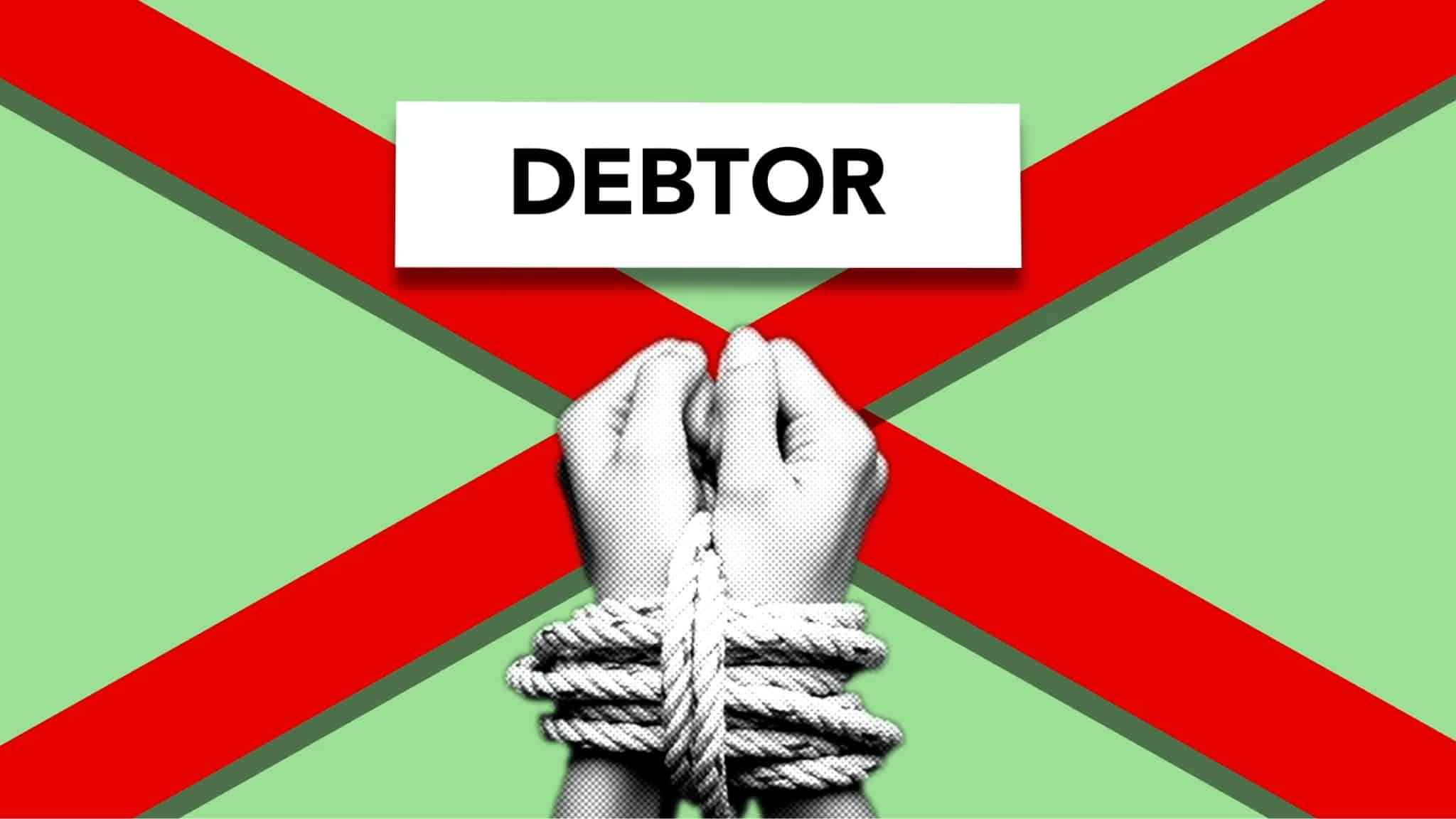
Underwriting risk is a major factor in the insurance and securities industries. It is the risk that an insurer or securities issuer will incur losses due to the inability to accurately assess the risk of a particular policy or security. This article will discuss the various types of underwriting risk, the methods used to assess and manage this risk, and the potential consequences of failing to properly manage underwriting risk. It will also provide insight into how insurers and securities issuers can reduce their exposure to underwriting risk and ensure that their products are properly priced and managed.
Read more
Best Manual Deals
-
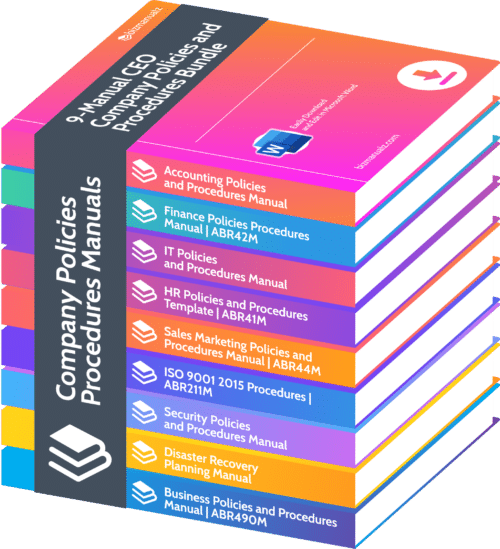 9-Manual CEO Company Policies and Procedures Bundle | Save 45%
$ 2,495.00
-
 ISO 22000 Food Safety Procedures Manual | ABR213M
Original price was: $ 395.00.$ 197.00Current price is: $ 197.00.
-
 ISO 22000 Seguridad de los Alimentos Procedimientos | ABR219M
Original price was: $ 395.00.$ 195.00Current price is: $ 195.00.
-
 ISO 9001 Quality Manual | ABR211MPM
$ 49.99
Business Manuals
-
 ISO 9001 2015 Procedures | ABR211M
$ 495.00
-
 Finance Policies Procedures Manual | ABR42M
$ 495.00
-
 Accounting Policies and Procedures Manual | ABR31M
$ 495.00
-
 IT Policies and Procedures Template Manual | ABR34M Information Security Policy Manual
$ 495.00
-
 HR Policies and Procedures | ABR41M Employees Policy Examples
$ 495.00
-
 Sales Marketing Policies and Procedures Manual | ABR44M
$ 495.00
-
 Security Policies and Procedures Manual | ABR32M
$ 395.00
-
 Disaster Recovery Planning Manual | ABR33M
$ 395.00
-
 AS9100 Quality Procedures Manual Rev D | ABR217M Aerospace QMS
$ 395.00
-
ISO 22000 Food Safety Procedures Manual | ABR213M
Original price was: $ 395.00.$ 197.00Current price is: $ 197.00.
-
9-Manual CEO Company Policies and Procedures Bundle | Save 45%
$ 2,495.00
-
ISO 22000 Food Safety Procedures Manual | ABR213M
Original price was: $ 395.00.$ 197.00Current price is: $ 197.00.
-
ISO 22000 Seguridad de los Alimentos Procedimientos | ABR219M
Original price was: $ 395.00.$ 195.00Current price is: $ 195.00.
-
ISO 9001 Quality Manual | ABR211MPM
$ 49.99
-
 How to Prevent Workplace Violence Manual | ABR32MWV
Original price was: $ 49.99.$ 19.99Current price is: $ 19.99.