Why Do Companies Need Translation Services?

A contract term, safety instruction, or customer message can lose critical meaning when it moves between languages. Basic language proficiency or machine output may be enough for casual communication, but companies need professional translation services when accuracy, consistency, confidentiality, or legal consequences matter.
That need has grown alongside the localization of business strategy. Companies now work with foreign clients, multilingual employees, international suppliers, and website visitors around the world. Medical and technical material adds another layer of risk because the right words must carry the right meaning in a specific professional context.
What Are Business Translation Services?
Business translation services convert written content from one language to another while preserving meaning, terminology, tone, and context. The work can cover business planning documents, advanced scientific research, contracts, marketing material, websites, policies, product information, and correspondence. Professional translators do more than replace words. They determine how a reader in the target market will understand the complete message.
Translation generally refers to written content, while interpreting handles spoken communication during multilingual meetings, conferences, interviews, and negotiations. A company may need both. The U.S. Census Bureau’s language-use data shows why language remains an operational consideration for customers and workforces, even within one country.
In the digital age, the world’s major cities have become global communities. People from multiple countries may be living in or visiting the same geographic area, while companies serve them through local teams and online channels. When communication becomes a serious problem, translation services can make daily interaction easier and help important information reach the right readers.
What Are Five Reasons Your Business Needs Translation Services?
Companies use translation for different reasons, but the decision usually comes down to whether an important person can understand and act on the information. These five situations move from research and business projects through legal documents.
1. Business Project Translation Services
Any business planning project benefits from reliable information. The U.S. Small Business Administration’s planning guidance emphasizes market research, competitive analysis, and a plan that supports how the company will operate and grow. Useful research does not always appear in the language your team uses every day.
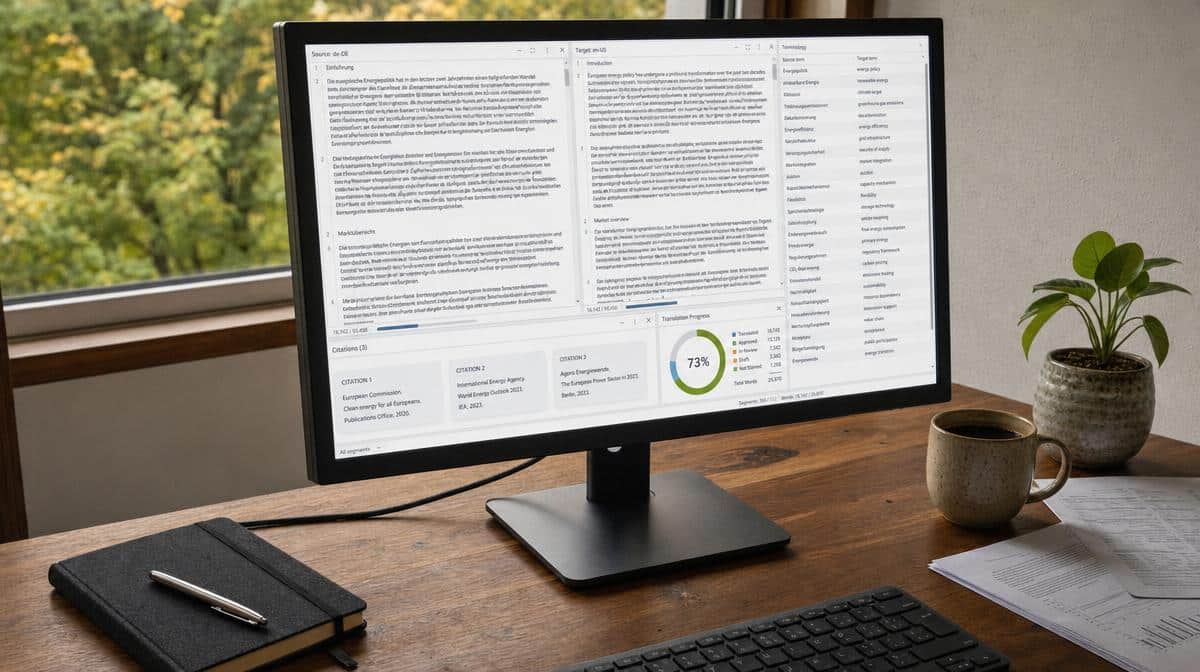
A team developing technical equipment, an IT product, an advertising campaign, or a marketing plan may find relevant scientific articles and industry material from another country. The original workflow still holds: identify the most relevant sources, order their translation, and submit the finished text to analysts. Those analysts can compare the new information with existing plans and point out practical steps for product, process, or company policy decisions.
The project does not need to involve the serious development of technical equipment. A company creating a website, refining marketing, evaluating new IT products, or working in other similar areas may still need research that was first published elsewhere. Translation expands the materials the project team can evaluate before it commits to a direction.
This work requires subject-matter accuracy. A translator who understands the field can preserve specialized terms, units, citations, and qualifications that a general reader might overlook. That makes the translated research more useful to the people responsible for evaluating it.
2. Foreign Client Translation Services
A company with plans for the future may need to work with foreign clients before everyone on the team becomes fluent in the same language. Google Translate can help someone understand the general direction of a low-risk message. It should not be the only review for proposals, specifications, commitments, complaints, or negotiations where the subtleties of language can change what either party believes was agreed.
Some messages can be translated via a machine tool or understood intuitively with a minimal amount of knowledge. However, that initial level may be insufficient when a foreign client expects a precise answer. In those cases, a professional can solve the language problem before a rough interpretation turns into a commercial disagreement.

A professional translator can preserve the intended tone and terminology in written client communication. For live conversations, the company may need foreign language interpreters. Large multilingual meetings or conferences may also require headsets, audio routing, booths, and other simultaneous translation equipment so participants can follow the discussion without stopping after every sentence.
Before the meeting, give the interpreter a glossary, agenda, participant list, and any technical documents. Consistent preparation helps the interpreter recognize product names and specialized phrases, which reduces confusion when the discussion moves quickly.
3. Publishing Translation Services
Many internet businesses need content in different languages. A publisher may translate original articles, help documentation, product guides, educational material, or customer stories so each audience receives useful content rather than a thin copy of the English page. This can support the same goal described in the article on how blogging can help promote your business.
Translation does not remove copyright or licensing obligations. If the source belongs to another author or publisher, secure the necessary permission or use material covered by an appropriate license. Then credit the original author and preserve the meaning of the work. A professional translator should flag idioms, references, and examples that do not carry cleanly into the target language instead of silently changing the author’s point.
4. Website Translation Services
It is important to stay relevant to your customers online. Potential website visitors are more likely to understand an offer, compare options, and complete an action when the content is available in the language used by the target market.

Website translation is part of a broader localization process. The International Trade Administration’s website internationalization guidance distinguishes internationalization, regionalization, localization, and translation, and notes that professional assistance may be needed. A localized site may require changes to dates, currencies, measurement units, images, navigation, forms, search terms, and customer support, not just the paragraphs on each page.
Start with the pages that carry the greatest operational or commercial importance: product descriptions, pricing, terms, checkout, safety information, returns, contact details, and frequently asked questions. Maintain a shared terminology list so the same feature, policy, or action is not described differently from page to page.
Website content should be attractive, accurate, and accessible to the reader. Use the specific language of the target market you are targeting, then test whether visitors can navigate the site and complete important actions. A well-planned translation can expand the website to millions of potential visitors around the world without making every language version feel like an afterthought.
5. Legal Translation Services
Companies may need legal translation services when they encounter laws, regulations, claims for filing in court, extracts from court decisions, documents for arbitration disputes, employment contracts, and contracts drawn up in several languages. A small ambiguity in one of these documents can affect deadlines, duties, payment terms, intellectual property, or the process for resolving a dispute.

The translator should understand the relevant legal terminology and work under clear confidentiality controls. Legal counsel should review the final document when legal interpretation is involved. The translator’s role is to carry the language accurately; the lawyer’s role is to determine the legal effect and whether the document meets the applicable rules.
Create an approval trail for high-risk documents. Record the source version, target language, translator, reviewer, revision date, and final approved version. This prevents an outdated clause or unreviewed draft from entering a transaction simply because the file name looked current.
How Should a Company Choose a Translation Service?
The massive selection of translation companies can make providers look interchangeable. They are not. A professional company should have knowledgeable and experienced translators who understand your business, the subject matter, and the purpose of the document. A legal contract, technical procedure, medical instruction, marketing page, and live conference each require a different combination of skills.
A reputable enterprise may need one provider to handle the entire volume of work involved in translating various materials. Several translation companies have an online presence and excellent interactive websites, but a polished site alone does not prove that the team can deliver accurate work. Do the proper research before hiring a service provider, and evaluate the people and process behind the seller’s website.
Confirm Subject-Matter and Language Expertise
Ask who will translate the work, which language variant they use, and whether a second qualified person will review it. Native-language fluency is important, but it does not replace knowledge of the industry. Request examples that resemble your material and references from clients with similar accuracy or confidentiality requirements.
Review the Quality-Control Process
Find out how the provider manages terminology, revisions, proofreading, and final approval. A useful process identifies the source version, applies an approved glossary, reviews the translation against the original, and records corrections. If the provider uses machine translation, ask where it is used and how qualified people review the output before delivery.
Protect Confidential Information
Translation files may contain customer data, employee information, product plans, pricing, legal strategy, or unpublished research. Confirm how files are transferred, stored, accessed, retained, and deleted. Contract terms should identify confidentiality duties and any subcontractors who may handle the work.
Test the Working Relationship
Start with a representative sample instead of the easiest paragraph you can find. Evaluate accuracy, readability, terminology, questions raised by the translator, turnaround, and revision handling. The provider’s willingness to ask precise questions is often a better sign than a promise to translate everything immediately.
Translation services help products and services go global, but the more immediate benefit is dependable communication. When employees, foreign clients, website visitors, analysts, lawyers, and partners receive information they can understand and trust, they can make better decisions with fewer avoidable misunderstandings.
Frequently Asked Questions
What Are Business Translation Services?
Business translation services convert written business content into another language while preserving meaning, terminology, tone, and context. Spoken communication is generally handled through interpreting services.
Why Should Companies Use Professional Translation Services?
Professional translation reduces the risk that clients, employees, regulators, or partners will misunderstand important content. It is especially valuable when terminology, confidentiality, cultural context, or legal consequences matter.
When Is Machine Translation Not Enough?
Machine translation is not enough when the material is legal, medical, technical, confidential, customer-facing, or otherwise consequential. A qualified person should review meaning, terminology, and context before the company relies on the result.
What Should a Business Look for in a Translation Provider?
Look for subject-matter expertise, the right language variant, independent review, terminology management, secure file handling, clear revision controls, realistic turnaround, and relevant client references.
Which Business Documents Commonly Need Translation?
Common examples include contracts, court and arbitration documents, policies, scientific articles, technical procedures, product information, websites, marketing content, employment documents, and client correspondence.