Why Do You Need Project Management?

Projects consume resources of time and money. Without project management, how could you tell how many resources have been consumed and were they consumed productively or effectively for the company? These are the top ten benefits of project management that will help you to answer the question why do you need project management?
Why Project Management is Needed
A disciplined project management process is important to any project. Project managers are expected to deliver results, on time (if not sooner) and on budget. Solid project planning reduces the risks associated with any project you take on. What are the other benefits of project management?
1. Control Scope Creep and Manage Change
Small changes in demands occur on every project. They come from management, the customer, your project team, suppliers, or other stakeholders. Individually, they may appear acceptable, but collectively these project demands can add up to a significant project expansion (referred to as “scope creep”) that can overrun your budget. With project management, if the manager effectively manages the scope of their project, they have a better than even chance of effectively managing project resources — time, money, etc. — and managing change.
2. Deliver Project Results On Time and On Budget

The project management process starts with a well thought out business case justification that usually includes some type of cost calculation associated with Return On Investment (ROI). Once these measures are established, it is up to the project manager to ensure that on-time, on-budget performance is maintained; otherwise, the project will never produce the expected results. That’s what good project management is all about, and why there’s a need for project management.
3. Focus the Project Team on the Solution
The project team can easily drift off topic and spend too much time on the wrong tasks. A good project manager keeps the project team focused by using a clear and concise project charter, resolving barriers, or shielding the team from unnecessary interference.
4. Obtain Project Buy-In from Disparate Groups
As President Lincoln once said, “Public sentiment is everything. With it, nothing can fail; without it, nothing can succeed.” A good project manager uses the tools in the initiation phase of project management to collect user requirements, project constraints, and a feasibility study to build a strong business case justification. Using input from various sources, the project manager overcomes dissent and obtains buy-in by communicating the project benefits as the different stakeholder groups see them.
5. Define the Critical Path to Optimally Complete your Project
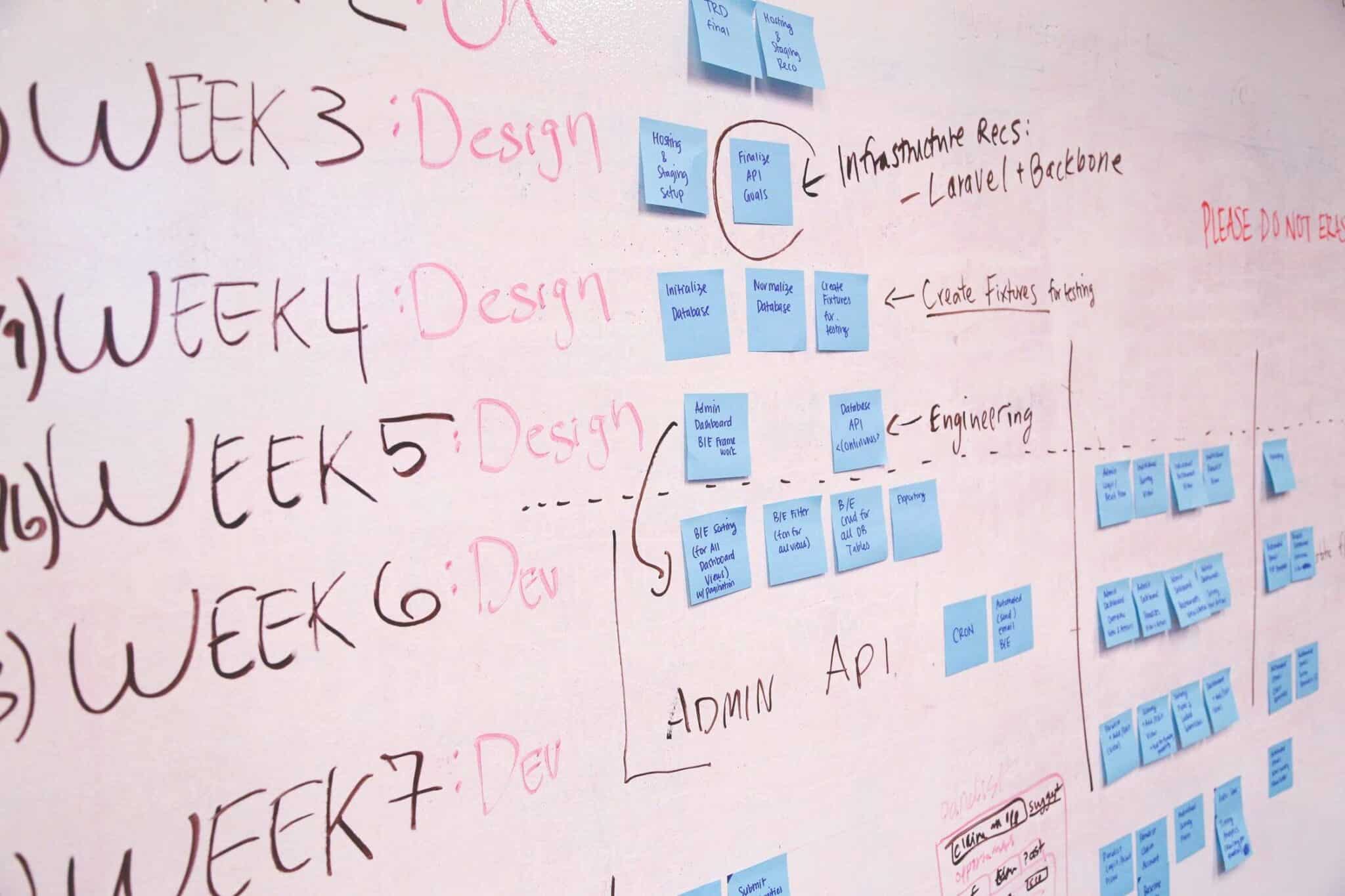
Every project is made up of a series of connected activities, each of which has its own constraints. The project manager identifies the critical path of activities — the optimal sequence of actions that best ensure the project’s successful completion.
6. Provide a Process for Estimating Project Resources, Time, and Costs
Using project management software, previous project experiences, and a solid project initiation phase can provide the discipline needed to reduce project estimating errors, increasing the likelihood that the project will finish on time and on budget.
7. Communicate Project Progress, Risks, and Changes
As a project progresses, stakeholders must be kept informed of the outcomes, changes, stumbling blocks, or successes that the project experiences. The need for project management exists partly because it creates a project communication plan to address these communication issues, provide a format, and lay out a process for execution.
8. Surface and Explore Project Assumptions
All projects are based on assumptions to some extent. A good project manager delves into user requirements, project constraints, and management expectations to understand what is said and what is not said. Relying on too many unconfirmed assumptions can invalidate a project schedule or, worse, sink the project.
9. Prepare for Unexpected Project Issues
Every project runs into unforeseen issues, such as changes in market conditions, and is hit with random cause variability. Experienced project managers plan for the unexpected by lining up alternative courses of action.
10. Document, Transfer, and Apply Lessons Learned from Your Projects
The last phase of project management focuses on “closing out” the project. The project manager reviews how well each prior phase — project initiation, project planning, project execution, and project monitoring and control — was performed. As part of good knowledge management, all project review notes should be dissected and analyzed for patterns, trends, and opportunities for improvement. These “lessons learned” should be documented and communicated to other project managers before starting the next project.
Cross-Functional Teams
Should your company decide to undertake a large project without assembling cross-functional teams — for example, a development and implementation project that requires a sizeable number of your staff at all levels and could take six months or more — it will greatly reduce the project’s chance of success. In other words, cross-functional teams produce results!
Cross-Functional Teams are Not a Committee
We are not advocating that you “put a committee at the top of every task”, or “there has to be unanimous agreement on every detail of the project plan”. We are saying that capable project leaders assemble capable and diverse groups of assistants and empower them.
Why? By assembling cross-functional teams, you ensure “out-of-the-box thinking.” Conventional thinking doesn’t breed the kind of change you need. In fact, conventional thinking can be dangerous to your company.
Think about it:
- Does conventional wisdom “always” work?
- Can you think of companies that no longer exist because they stayed with the status quo?
Thinking Outside Box with Cross-Functional Teams
When you gather people from diverse backgrounds, departments, and levels, everyone’s thinking outside other’s boxes. Let’s say I’m in the “development box”. The people in the “accounting box” and the “marketing box” are outside my box, and vice versa.
We’re bringing a fresh perspective to each other, thereby strengthening the project and assuring better results. It’s similar to what Mendel discovered over a hundred years ago about cross-pollination — the result is a hybrid more robust than its parents.
Everyone’s opinions have some merit. Anyone who’s been with your company for a couple of years or more probably knows your business well enough that their observations and opinions have validity. Those who stay in their boxes — companies that get the same teams together every time to think over important stuff and don’t reach into the employee pool for new, fresh ideas and thinking — are handicapping their efforts. They can barely see to the top of their boxes, let alone see what’s outside.
Why You Need Project Management?
Leaders have the necessary forward vision to see the immense benefits their organization gains by using cross-functional teams. Time and money are resources that projects use up. How would you know how many resources were used and whether they were used efficiently or profitably for the organization without project management?