How do You Build an Effective Management System?
Imagine what a professional football team would be like without an Effective Management System focused on a regimen of practice drills. Now take away their playbook and player statistics. What you have in this extreme scenario are highly talented (and perhaps overpaid) individuals participating in organized chaos. They might actually win a game or two, but in the long run, this team is doomed. How do You build an effective management system?
The Elements to Building an Effective Management System
I offer this illustration to drive home the point of why any organization needs to examine the existence and effectiveness of its management systems. If there are weaknesses or holes in your documented procedures (playbook), or benchmark measurements (stats), then you will want to take corrective action.
1. Discover What is Important
The most important thing to understand when leading a team or a department is to figure out exactly what needs to be done in order to be considered “successful.” This information, unfortunately, often isn’t made clear to department managers (see reference to negative management examples above). You may have to figure it out for yourself.
Once you understand your organization’s stated and unstated goals, then you can start creating effective management systems to fulfill them. Rarely do good things just happen by chance, and lack of a plan usually results in wasted efforts and poor results.
 Involve your team members:
- Communicate and clarify the goals of the department with them
- Be honest about what is stated and unstated in the organization. You can gain respect with an honest approach.
- A plan based on a consensus as a starting point gives the department direction.
2. Plan to Fulfill Important Elements
Planning should include aspects like:
- What documentation is needed (policies, procedures, forms, and records)
- Necessary meetings
- Who should attend and the typical agenda
- Considerations of timing and responsibilities are all key elements of planning
Most importantly, what aspects of performance should be measured and reviewed regularly.
Develop Action Models
The next step is to develop action models:
- Flesh out the plan with more specific details
- Highly specific elements of processes and tasks should be documented in procedures, work instructions, and training materials
- They should include key elements for success and accepted best practices.
Part of this phase is to regularly audit and review documentation so that it reflects the actual practices and preferred methods. Developing procedures and other documents that that only reflect blue sky thinking means, in the end, there is a good chance they will be ignored and soon grow outdated and useless.
Avoid this pitfall by being realistic to start, but plan to continually improve. Then follow up the creating of documentation with training and auditing. Ensure that team members are aware of what documents and forms/records apply to them, and they know where to find them and how to use them.
Understand the Resources Needed
Another key element in this phase is to ensure the team members have the resources they need for the Jobs-to-be-Done. Do they have the needed skills and training? A plan that ensures everyone receives periodic training encourages a learning environment.
This is especially true with technology and software applications. People become complacent and comfortable with the way they are doing things, when some simple changes could allow a more automated approach that would actually make their job easier. Training and education can foster innovation.
3. Regularly Review Process Performance
Finally, regularly review what is going on with every process:
- Is the plan working and does it align with overall organization goals?
- Are your process activities fulfilling the plan?
- Do internal audits show that procedures are being followed and that they are kept up to date?
- Do your performance measurements really give insight into how your department is doing?
This type of management review puts you right back at the discovery (do you really understand what is going on?) and the cycle starts all over again. And each time you move though the cycle you should be able make at least small improvements.
Now you are managing by objectives, measuring what is important, reflecting on it, and then trying to find ways to be better (while understanding that no one will ever be perfect). That sounds like the formula for an effective management system, and success overall. So now let’s look at building the management system.
 Five Phases to Building an Effective Management System
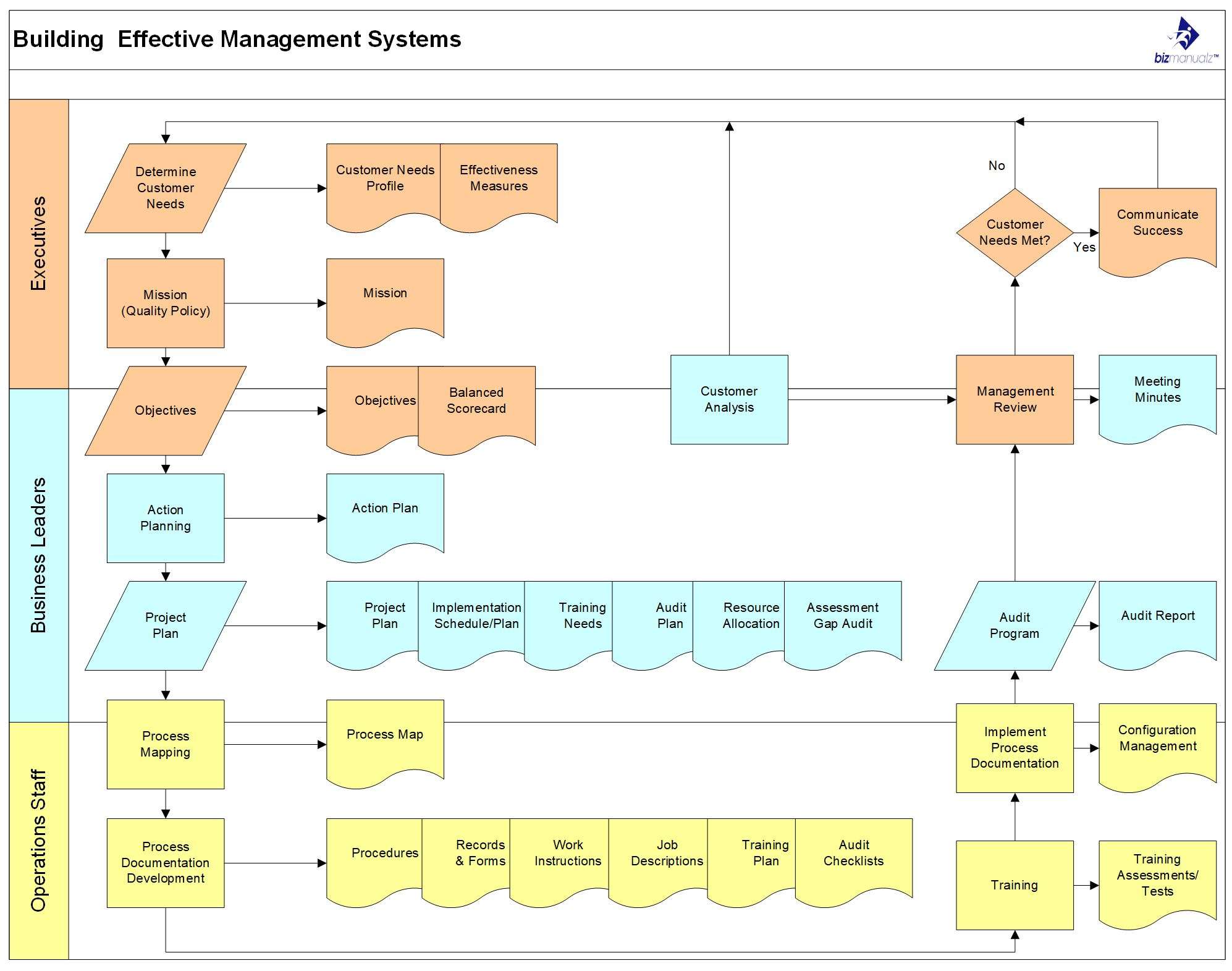
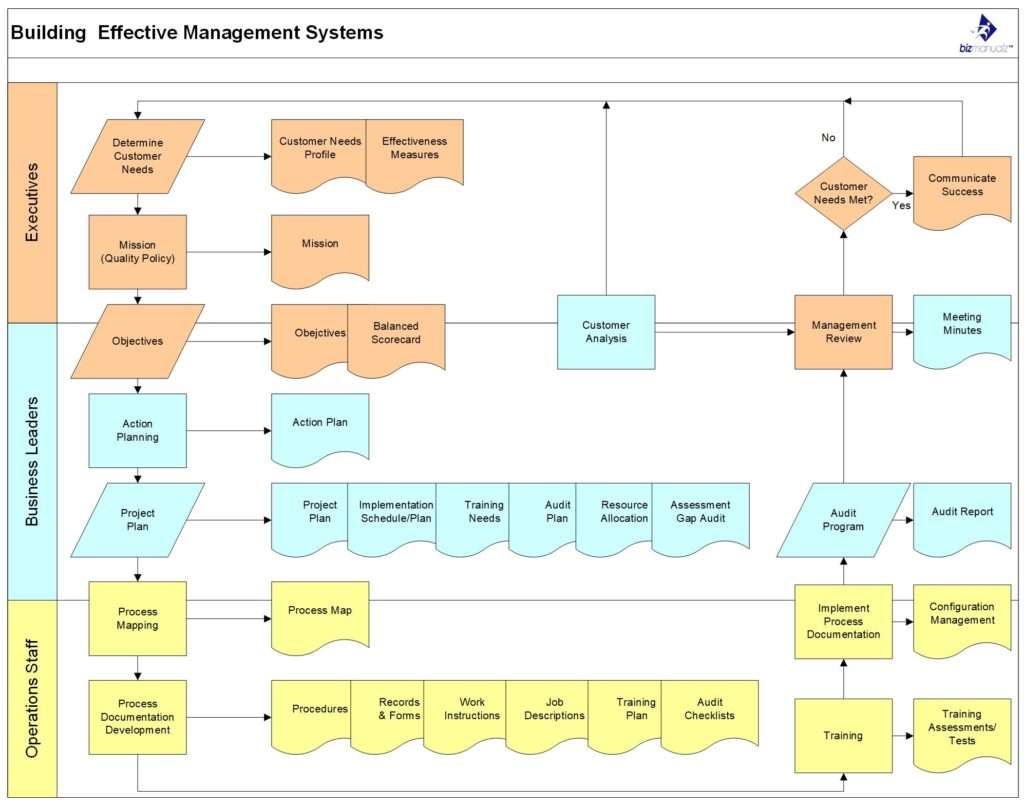
It is my experience that when a company attempts to establish an Effective Management System for the first time, it takes longer than expected, involves more people than planned, and grows in complexity. To control this trend, I advocate dividing the process into five (5) distinct phases, each with clear objectives:
- Discovery
- Planning
- Development
- Implementation
- Rediscovery
 Phase I – Discovery
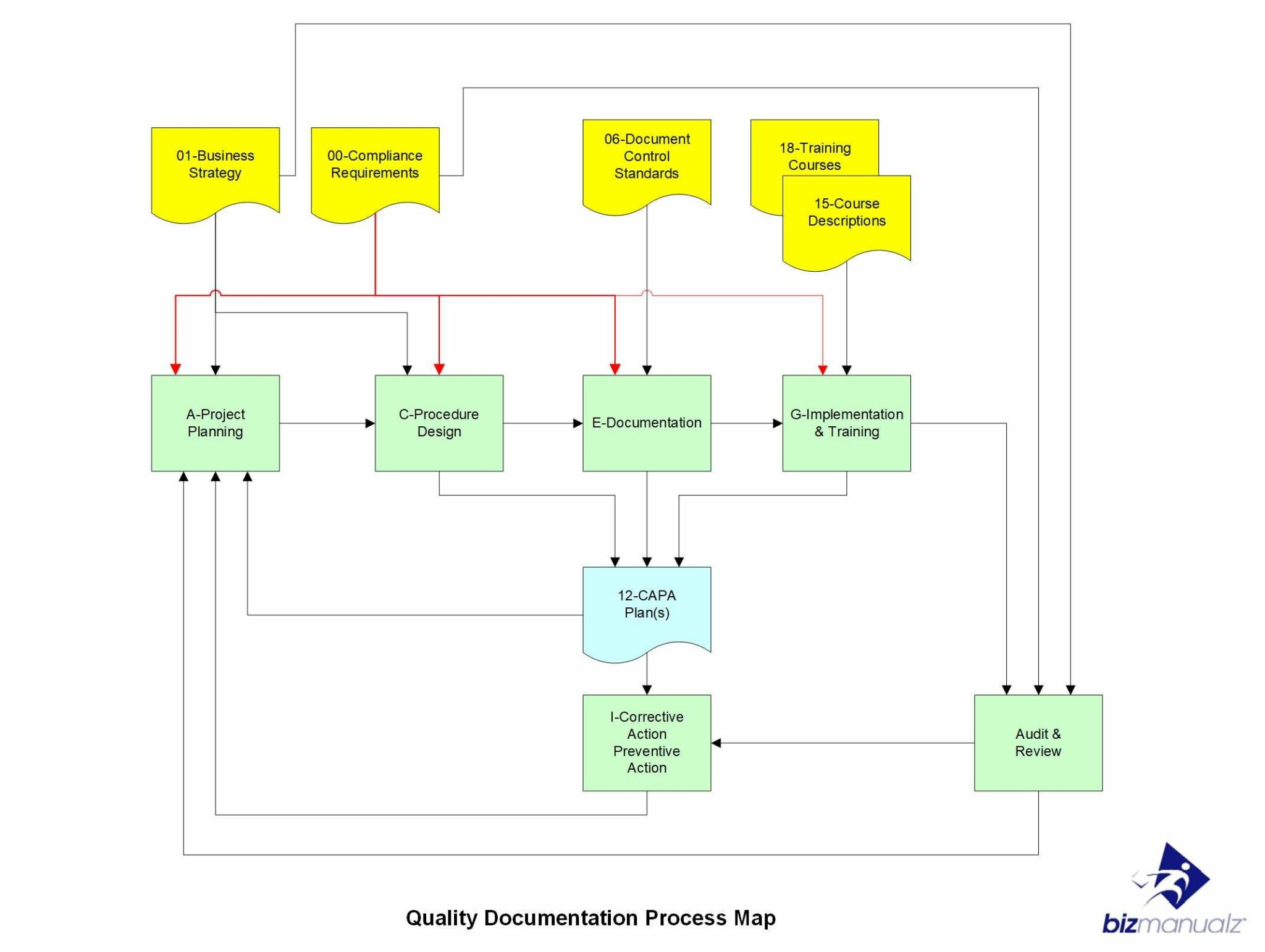
Think of this initiation phase, the first step in project management. It encompasses all the things the coaching staff does up to and including the first pre-season team meeting.
It is where the overall missions and goals are set, with clear effectiveness criteria established. Certainly the team may set it sights on the championship, but what about the kicking team or linemen? Each part of your organization must have meaningful and measurable performance criteria mapped out in this phase of building an effective management system.
Management Goals
Establishing objectives and criteria requires close scrutiny by management of what really contributes to the overall company mission. Departmental goals must be aligned with company goals. To illustrate with our football analogy: running backs may propose a goal of 5,000 total yards rushing in a season.
This may or may not be beneficial to the team goal, whereas an aligned goal might be to achieve an average of +5 yards per run. The latter may be more appropriate for a highly pass-oriented offense.
In your discovery phase, once your objectives and effectiveness criteria are agreed upon, you can create your action plan. This step is simply the broad roadmap covering the remaining 4 phases of building your management system. The Discovery Phase generally takes from 2-4 weeks, and represents approximately 12% of the total process. Onto the next stage;
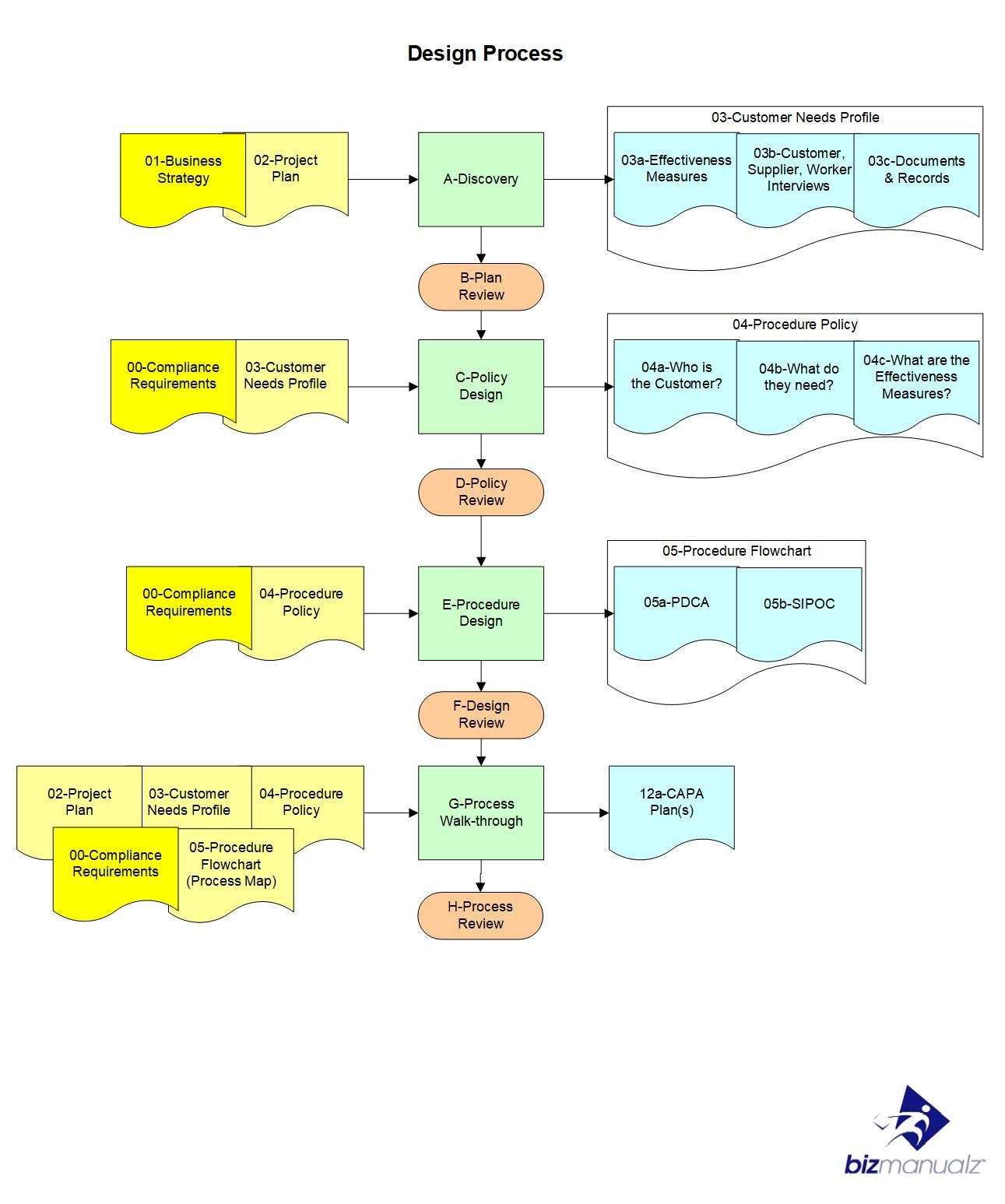
Phase II – Planning
Have you ever had the opportunity to watch the construction of a large building? The daily progress from foundation to top floor is truly amazing, and if you’re like me, you wonder “how does it all happen?” The answer: it takes a lot of planning.
A complex construction job clearly requires project planning in excruciating detail to orchestrate materials and manpower. Inadequate project planning can result in waste, delays and a shoddy end-product.
Building an effective management system is equally dependent on executing a strong planning phase.
Planning the Management System
The planning stage is arguably the most important step in any large-scale project. If you fail to plan properly, everything else will likely follow this failure.
Just as a construction contractor wouldn’t dare start ordering materials or pounding nails without a plan, your firm must avoid moving too quickly into the actual development phase of writing procedures that are the basis of an effective management system.
Business Assessment
Using the construction analogy, the first step is typically a survey of the parcel of land on which to construct your building. You’ll examine such conditions as utilities, roads, property grade and soil.
In a management system development project, we call this step a GAP Analysis, or Business Assessment, because it articulates what the “gap” between current reality in your organization and your stated objectives. Recall that the objectives and measurable effectiveness criteria were established in Phase I – Discovery.
The results of the Gap Analysis, or Business Assessment, are used as inputs to produce a project plan.
Project Management
The Project Plan details the materials and tools that will help management control the project as well set budgets and schedules. Most of us are familiar with the components necessary to manage the conversion of a bare piece of land into the architect’s vision: drawings, bids, permits, contracts, work orders, and inspections. But what is required to develop an effective management system?
The Complete Process
Your project planning phase includes producing these components that will greatly ease the Development and Implementation Phases (III and IV, respectively) and make for an overall solid structure:
- Project roles and responsibilities
- Organization chart
- Activities, resources, dates
- Reviews structure
- Status reports
- Document control and format
- Process map
- Compliance requirements
- Training, implementation, testing and audit plans
Process Map Review
Before concluding the Planning Phase, a review is conducted of each component with emphasis on the process map and effectiveness criteria to ensure alignment with identified organizational goals. This check will help eliminate project drift in the coming phases.
The Planning Phase takes from 2-4 weeks, and leads us to the Development phase.

Phase III – Development
Now, I’m no entertainment mogul, but The Development Phase reminds me of producing a Hollywood movie. When we sit in a theater and watch the latest blockbuster, we see a finished product and assume it was made pretty much as it looks. But we would be wrong. Making a movie, much like the process of building a strong policy and procedure system, is a non-linear process with a tremendous amount of “behind the scenes” support.
Management Systems and the Development Process
Just as every great movie is guided by a talented Director; your effort to build an effective management system requires a skilled Project Manager. The role is especially critical in the Development Phase because it is during this stage that the time, effort and expense of the entire project cast is involved, and much like the actual shooting phase of a film production, it can consume up to 50% of your project cost.
Policy and Procedures Expertise
What skills make a strong Project Manager? Besides the obvious qualities of good organizational, communication and time management skills, I include policy and procedure or process development expertise. Depending on your staff, this may require an outside resource.
Related Development Processes
You might be surprised to learn that movies are seldom shot in “linear sequence”… that is, from start to finish. For a number of reasons, the director will organize scenes into groups that are filmed “out of sequence,” then edited into their correct place. Similarly, your firm will want to conduct the Development Phase by organizing related processes into a grouping and then completing these before going on to the next set.
Policy and Procedure Document Control
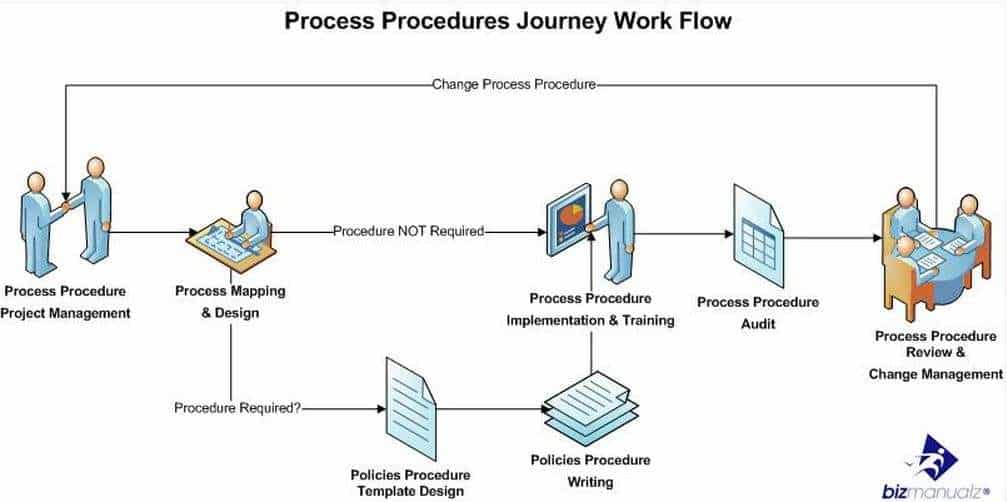
Your development work will begin by establishing a policy and procedures document control flow and format (Think of these as setting the stage). Next your assigned writers will craft the actual documents from base materials (Refining the script). Document control is best managed using an online procedure management software product.
Then a process walk through is performed and tested for a) compliance and b) effectiveness (Dress rehearsal). Once this process grouping is completed, you move on to another set.
Supporting Documents for the Process
At the end of a film, I’m always amazed at the long scroll of credits after the actors’ names. It takes a tremendous amount of resources to make it all happen, and your development process is no different. You’ll rely on valuable support documents such as job descriptions, forms, technical manuals, training programs and reference material to develop your new management system.
Process Review for the Completed System
A motion picture can’t be released until all the scenes are shot and edited. Likewise, you will want to complete the process documentation and a review of ALL your processes as a completed system before moving on to the next phase of building an effective management system – Implementation.
The Development Phase should take 2-4 months, depending on the number of processes, compliance requirements and skills of the writers/reviewers. And now you’re ready to put your effective management system into the action.
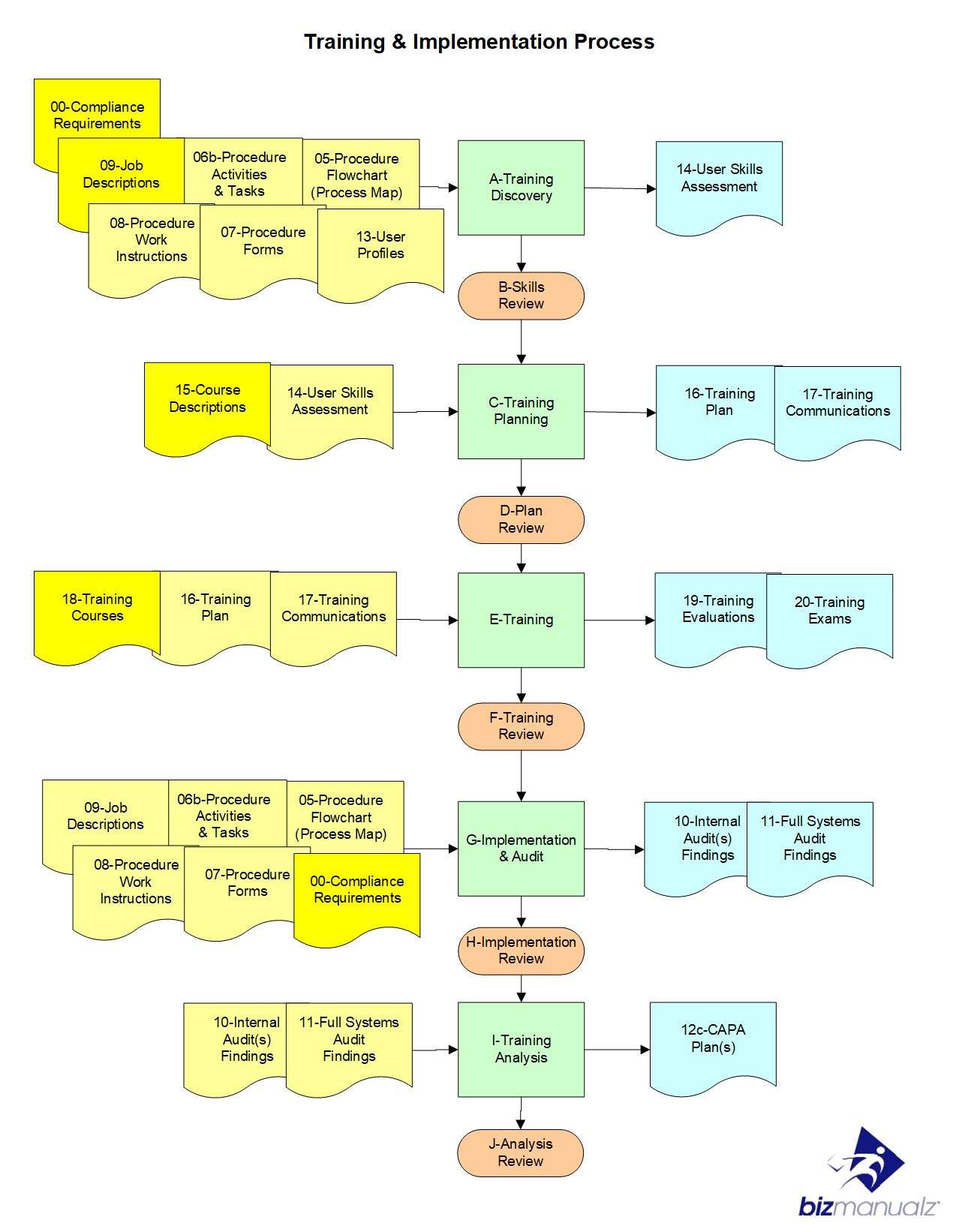
Phase IV – Implementation
Before we discuss Implementation, a quick recap:
In Phase I (Discovery) we learned how your organization specifies the project mission, objectives and effectiveness criteria. Phase II (Planning) entailed setting requirements for project tools, budgets and schedules to manage your project. Phase III (Development) taught us about identifying and testing processes within the system. With all of that behind us, next it’s time to learn about “learning”.
Implementing the Management System
Implementing an effective management system is much like the first day of school. When young children walk into that big new classroom for the first time, the effect can be intimidating, even overwhelming. New students are like blank slates: intelligent, capable, but completely untested and unschooled in the challenges that lie ahead. By the time the final bell rings on their academic careers (many lectures, raised hands, and exams later) those same students have grown into talented experts in their chosen fields. The difference between “before” and “after” is training, testing, and time.
Training and Assessment
In the same way, implementation is all about information and assessment. Your class must be educated, indoctrinated, tested, and graded in the ways of your management system in order to graduate to effectiveness. No one ever said it was easy, but with studying and hard work, your organization is sure to score straight A’s. Using procedures might be new to everyone so they have to learn how, including management. Management by procedures is how McDonalds and successful franchises manage their business.
Skills and Business Assessment
The first assignment for Effectiveness 101 is a pop quiz to see exactly where the focus of your improvement efforts will need to be. A preliminary assessment of your employees’ skills and competencies will help determine the training gaps your people need to close.
On-site Process Training
Once you have identified your training needs, then your lesson plan can begin in earnest. Your training program will introduce your employees to the job descriptions, processes, and procedures that compose the management system. Just as importantly, your employees must be trained on the relationships between themselves and your objectives and effectiveness.
Internal Audit
Once the coursework has been taught, it’s time to do some grading. A top-to-bottom audit should be conducted of your entire system against your objectives and compliance requirements. With this audit completed, you will be able to graduate from where you’ve been to where you want to be.
Total Implementation Time
No one goes from kindergarten to college overnight. You are working toward a stable system, and it will take time. Roughly 50% of the project’s total time, in fact; implementation usually takes a three- to six-month “semester” to complete. The exact amount of time you’ll spend will depend on how many employees, locations, and processes you have.

Phase V – Re-Discovery
Now we turn the corner to our final phase: Re-Discovery. It is important to step back form the process and asses what we have built. We essentially are auditing against process objectives or reviewing the process. Auditing is a formal review.
Company Policy, Assessment and Improvement
The Re-Discovery Phase completes the loop of the entire project, and then overlaps with The Discovery Phase of the next year. Therein lies the “never-ending cycle” of the project.
The Re-Discovery Phase allows your organization to migrate from a “fix it and done!” mentality to one of continuous improvement. Because in Re-Discovery/Discovery Phases you will always be reviewing and assessing your organization for ways to improve performance, compliance, and effectiveness.
Audit and Review
When we pass down a street for the first time, our minds are focused on reaching the destination. Upon returning, we are able to notice things that were previously missed. Returning allows us to go through the same path of the original Discovery Phase in this different light. This can either be a formal audit process with audit checklists and a process review that focuses on the key elements–are we getting the results we planned for now?
Process Measures
This will involve reviewing audit results, process measures and customer satisfaction to determine possible adjustments to the mission, objectives and action plans as well as effectiveness criteria. You will want to assess the appropriateness of these elements now that you have completed your “outbound journey” through the Planning, Development and Implementation Phases. What will you see differently? How will you prepare for the cycle to begin again next year?
The Re-Discovery Phase culminates a project that started 6-12 months ago. As in all Phases it is wise to identify a Project Leader to manage document controls, lead the audits, and report to management. After all, your project goal is to build effective management systems.
Build an Effective Management System
When first taking a management position in an organization, it can be difficult to fully grasp exactly what your role is and how to fulfill it. The sad truth is that many of us have seen mostly negative examples of management and management styles, and few positive ones.
Without proper role models it is difficult to step into those shoes and build an effective management system. We have outlined the step to building an effective management system so now go out and give it a try!